
Strait of Hormuz crisis: Why the world’s energy system has not buckled yet - McKinsey explains
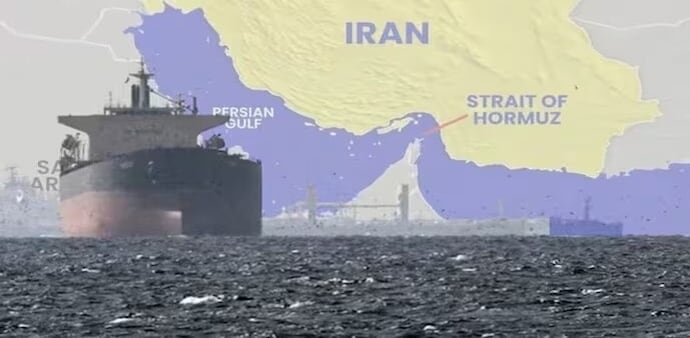
The Strait of Hormuz crisis has disrupted a significant share of global energy flows, but inventories, bypass pipelines, alternative supplies and lower oil demand have so far prevented a deeper global shock.
- Sep 19, 2026,
- Updated Sep 19, 2026 3:01 PM IST
The Strait of Hormuz disruption has triggered one of the largest energy supply shocks in recent history, but the global energy system has so far proved more resilient than expected. McKinsey Global Institute says inventories, bypass pipelines, alternative supplies and lower oil consumption have absorbed much of the shock, although these buffers are now coming under increasing pressure.
The 2026 shock is different
Around 20% of global oil and LNG normally transits the Strait of Hormuz. At its peak, the disruption affected about 14% of global combined oil and gas supply, more than twice the relative size of the 1970s oil shocks and over six times the peak impact of the Russia-Ukraine disruption in 2022.
Despite the scale of the disruption, Brent crude, which briefly crossed $120 a barrel, subsequently declined. McKinsey attributes the relative resilience partly to a less energy-intensive global economy, strategic reserves, bypass pipelines and a diversified global trade network developed in response to earlier crises.
Inventories and pipelines absorbed the shock
Oil flows through the Strait were about 21.3 million barrels per day in the fourth quarter of 2025. Of this, 3.3 million barrels per day continued moving through the Strait, bringing the effective supply-demand gap to 15.5 million barrels per day.
Bypass pipelines and additional production addressed around 35% of that gap. Saudi Arabia’s East-West pipeline and the UAE’s ADNOC pipeline to Fujairah helped reroute 4.7 million barrels per day, while another 0.5 million barrels per day came from increased production, particularly in Brazil, Kazakhstan, the US and Venezuela.
Inventories contributed another 20%, with countries drawing about 3.5 million barrels per day. Reduced oil consumption accounted for roughly 45%, or 6.8 million barrels per day.
MUST READ: Houthis attack Saudi Arabia airbase as Hormuz talk stalls; oil climbs to nearly $107
Key numbers at a glance
| Indicator | Key figure / development |
|---|---|
| Global energy flows through Hormuz | Around 20% of global oil and LNG normally transits the Strait |
| Peak disruption | About 14% of global combined oil and gas supply was affected |
| Oil flows through Hormuz | Around 21.3 million barrels per day in Q4 2025 |
| Supply-demand gap | Fell to 15.5 million barrels per day after residual flows and inventory-building reductions |
| Bypass pipelines & new supply | Addressed around 35% of the supply gap |
| Inventory drawdown | Contributed around 20%, with about 3.5 million barrels per day drawn |
| Demand reduction | Accounted for around 45%, or 6.8 million barrels per day |
| China’s response | Seaborne crude and refined-product imports fell by more than 40% |
| US response | Oil exports rose by 2.2 million barrels per day, or 20% |
| Global inventory draw | Around 500 million barrels had been withdrawn by late August |
| US Strategic Petroleum Reserve | Fell below 300 million barrels |
| Refining pressure | Gulf refinery output fell by more than one-quarter |
| Key emerging risk | Refining capacity and refined-product inventories are becoming bigger constraints |
ALSO READ: Saudi pipeline shutdown threatens to wipe out 4% of global oil exports within days: Report
China and US rewired global oil trade
The disruption has also reshaped global oil trade. China reduced its seaborne crude oil and refined-product imports by more than 40% from pre-crisis levels, freeing cargoes for other Asian importers. The US, meanwhile, increased exports by 2.2 million barrels per day, or 20%, supported by inventory releases and higher domestic production.
This flexibility has helped prevent the supply shock from translating into an even larger global economic hit. However, the impact has been uneven, with some developing economies facing shortages and rationing.
DO READ: Iran, Oman agree on new Hormuz routes: What it means for oil, ships and global trade
The cushion is thinning
McKinsey warns that existing shock absorbers have limits. By late August, around half a billion barrels had been withdrawn from global inventories. The US Strategic Petroleum Reserve had fallen below 300 million barrels, highlighting the reduced room for repeated large-scale releases.
Refining is emerging as another major vulnerability. Gulf refineries have cut output by more than one-quarter, while nearly 2 million barrels per day of Russian refining capacity was estimated to be offline in mid-July. Refined-product inventories are also thinner and less interchangeable than crude stocks.
The crisis therefore offers a mixed picture: the global energy system has demonstrated significant resilience, but the buffers that prevented a larger shock are being depleted. McKinsey says future energy security will require a combination of new supply, infrastructure to rewire trade, inventories, electrification and demand flexibility.
The Strait of Hormuz disruption has triggered one of the largest energy supply shocks in recent history, but the global energy system has so far proved more resilient than expected. McKinsey Global Institute says inventories, bypass pipelines, alternative supplies and lower oil consumption have absorbed much of the shock, although these buffers are now coming under increasing pressure.
The 2026 shock is different
Around 20% of global oil and LNG normally transits the Strait of Hormuz. At its peak, the disruption affected about 14% of global combined oil and gas supply, more than twice the relative size of the 1970s oil shocks and over six times the peak impact of the Russia-Ukraine disruption in 2022.
Despite the scale of the disruption, Brent crude, which briefly crossed $120 a barrel, subsequently declined. McKinsey attributes the relative resilience partly to a less energy-intensive global economy, strategic reserves, bypass pipelines and a diversified global trade network developed in response to earlier crises.
Inventories and pipelines absorbed the shock
Oil flows through the Strait were about 21.3 million barrels per day in the fourth quarter of 2025. Of this, 3.3 million barrels per day continued moving through the Strait, bringing the effective supply-demand gap to 15.5 million barrels per day.
Bypass pipelines and additional production addressed around 35% of that gap. Saudi Arabia’s East-West pipeline and the UAE’s ADNOC pipeline to Fujairah helped reroute 4.7 million barrels per day, while another 0.5 million barrels per day came from increased production, particularly in Brazil, Kazakhstan, the US and Venezuela.
Inventories contributed another 20%, with countries drawing about 3.5 million barrels per day. Reduced oil consumption accounted for roughly 45%, or 6.8 million barrels per day.
MUST READ: Houthis attack Saudi Arabia airbase as Hormuz talk stalls; oil climbs to nearly $107
Key numbers at a glance
| Indicator | Key figure / development |
|---|---|
| Global energy flows through Hormuz | Around 20% of global oil and LNG normally transits the Strait |
| Peak disruption | About 14% of global combined oil and gas supply was affected |
| Oil flows through Hormuz | Around 21.3 million barrels per day in Q4 2025 |
| Supply-demand gap | Fell to 15.5 million barrels per day after residual flows and inventory-building reductions |
| Bypass pipelines & new supply | Addressed around 35% of the supply gap |
| Inventory drawdown | Contributed around 20%, with about 3.5 million barrels per day drawn |
| Demand reduction | Accounted for around 45%, or 6.8 million barrels per day |
| China’s response | Seaborne crude and refined-product imports fell by more than 40% |
| US response | Oil exports rose by 2.2 million barrels per day, or 20% |
| Global inventory draw | Around 500 million barrels had been withdrawn by late August |
| US Strategic Petroleum Reserve | Fell below 300 million barrels |
| Refining pressure | Gulf refinery output fell by more than one-quarter |
| Key emerging risk | Refining capacity and refined-product inventories are becoming bigger constraints |
ALSO READ: Saudi pipeline shutdown threatens to wipe out 4% of global oil exports within days: Report
China and US rewired global oil trade
The disruption has also reshaped global oil trade. China reduced its seaborne crude oil and refined-product imports by more than 40% from pre-crisis levels, freeing cargoes for other Asian importers. The US, meanwhile, increased exports by 2.2 million barrels per day, or 20%, supported by inventory releases and higher domestic production.
This flexibility has helped prevent the supply shock from translating into an even larger global economic hit. However, the impact has been uneven, with some developing economies facing shortages and rationing.
DO READ: Iran, Oman agree on new Hormuz routes: What it means for oil, ships and global trade
The cushion is thinning
McKinsey warns that existing shock absorbers have limits. By late August, around half a billion barrels had been withdrawn from global inventories. The US Strategic Petroleum Reserve had fallen below 300 million barrels, highlighting the reduced room for repeated large-scale releases.
Refining is emerging as another major vulnerability. Gulf refineries have cut output by more than one-quarter, while nearly 2 million barrels per day of Russian refining capacity was estimated to be offline in mid-July. Refined-product inventories are also thinner and less interchangeable than crude stocks.
The crisis therefore offers a mixed picture: the global energy system has demonstrated significant resilience, but the buffers that prevented a larger shock are being depleted. McKinsey says future energy security will require a combination of new supply, infrastructure to rewire trade, inventories, electrification and demand flexibility.