
Strait of Hormuz: Tehran drafts conditions for reopening as Trump says US blockade holds
Commercial shipping data reflects a fragile environment. Tracking platform Kpler noted that while daily commodity vessel transits through the strait picked up slightly to 10 ships, traffic remains far below the recent 10-day average of 15 vessels and down significantly from pre-conflict baseline volumes.
- Aug 28, 2026,
- Updated Aug 28, 2026 12:38 PM IST
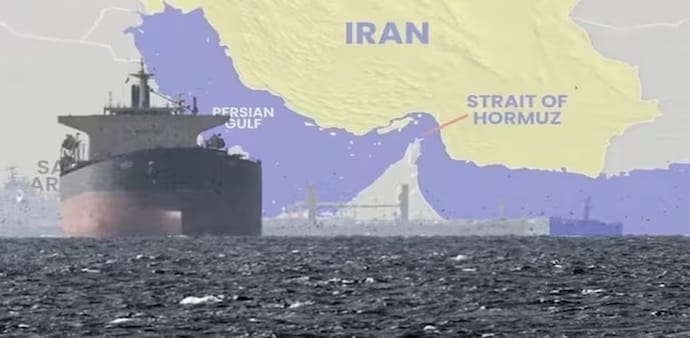
A flurry of high-stakes regional diplomacy collided with unyielding economic warfare in the Persian Gulf as Tehran and Muscat reached a tentative framework to establish a joint temporary shipping corridor through the Strait of Hormuz, even as Washington maintained a strict naval blockade and insisted no direct bilateral talks are taking place.
While US Central Command assets continue enforcement operations across the strategic waterway, regional mediators are attempting to carve out a functional path for merchant shipping.
Iranian security official Mohsen Rezaei confirmed Tehran is preparing a formal list of conditions to allow a broader reopening of the strait. The proposed transit plan relies on a designated central channel spanning both Iranian and Omani territorial waters, paired with joint mine-clearing operations to mitigate lingering maritime hazards.
The diplomatic push coincides with high-level shuttling across Gulf capitals. Qatar's Prime Minister and Foreign Minister Sheikh Mohammed bin Abdulrahman Al Thani met Iranian President Masoud Pezeshkian and Foreign Minister Abbas Araghchi in Tehran to discuss security frameworks aimed at avoiding further conflict escalation.
Washington firm on blockade
Despite the regional talks, the White House maintained that direct US-Iran negotiations remain frozen. Washington is pressing ahead with its aggressive financial strategy — dubbed "Operation Economic Outcast" — designed to choke off Iranian revenue streams through secondary sanctions and strict maritime interdiction.
Addressing reporters in the Oval Office, US President Donald Trump affirmed the administration's military posture. "The Strait of Hormuz is open. We have control and we have the blockade. Iran's not getting anything through. Nothing is getting through. Not one ship has gotten through," he said.
Trump added that US naval forces continue active mine-clearing sweeps and operational defense along commercial routes: "We've totally cleared the strait of mines... Any boat goes through with a mine, we take it out. And we've taken out two."
Economic impact & maritime realities
According to US Central Command metrics, coalition forces have redirected 75 vessels attempting to enter or exit Iranian ports since the naval blockade was re-established in mid-July. CENTCOM stated that no merchant ships have docked or departed Iranian maritime terminals without explicit U.S. authorization.
Commercial shipping data reflects a fragile environment. Tracking platform Kpler noted that while daily commodity vessel transits through the strait picked up slightly to 10 ships, traffic remains far below the recent 10-day average of 15 vessels and down significantly from pre-conflict baseline volumes. Recent strikes on commercial hulls in international waters continue to keep insurance premiums elevated and global energy markets on edge.
To reinforce the operational footprint, the US Navy deployed the aircraft carrier USS George Washington to the Arabian Sea to relieve the USS Abraham Lincoln, signaling that military readiness in the region will remain high as long as diplomatic breakthroughs remain out of reach.
A flurry of high-stakes regional diplomacy collided with unyielding economic warfare in the Persian Gulf as Tehran and Muscat reached a tentative framework to establish a joint temporary shipping corridor through the Strait of Hormuz, even as Washington maintained a strict naval blockade and insisted no direct bilateral talks are taking place.
While US Central Command assets continue enforcement operations across the strategic waterway, regional mediators are attempting to carve out a functional path for merchant shipping.
Iranian security official Mohsen Rezaei confirmed Tehran is preparing a formal list of conditions to allow a broader reopening of the strait. The proposed transit plan relies on a designated central channel spanning both Iranian and Omani territorial waters, paired with joint mine-clearing operations to mitigate lingering maritime hazards.
The diplomatic push coincides with high-level shuttling across Gulf capitals. Qatar's Prime Minister and Foreign Minister Sheikh Mohammed bin Abdulrahman Al Thani met Iranian President Masoud Pezeshkian and Foreign Minister Abbas Araghchi in Tehran to discuss security frameworks aimed at avoiding further conflict escalation.
Washington firm on blockade
Despite the regional talks, the White House maintained that direct US-Iran negotiations remain frozen. Washington is pressing ahead with its aggressive financial strategy — dubbed "Operation Economic Outcast" — designed to choke off Iranian revenue streams through secondary sanctions and strict maritime interdiction.
Addressing reporters in the Oval Office, US President Donald Trump affirmed the administration's military posture. "The Strait of Hormuz is open. We have control and we have the blockade. Iran's not getting anything through. Nothing is getting through. Not one ship has gotten through," he said.
Trump added that US naval forces continue active mine-clearing sweeps and operational defense along commercial routes: "We've totally cleared the strait of mines... Any boat goes through with a mine, we take it out. And we've taken out two."
Economic impact & maritime realities
According to US Central Command metrics, coalition forces have redirected 75 vessels attempting to enter or exit Iranian ports since the naval blockade was re-established in mid-July. CENTCOM stated that no merchant ships have docked or departed Iranian maritime terminals without explicit U.S. authorization.
Commercial shipping data reflects a fragile environment. Tracking platform Kpler noted that while daily commodity vessel transits through the strait picked up slightly to 10 ships, traffic remains far below the recent 10-day average of 15 vessels and down significantly from pre-conflict baseline volumes. Recent strikes on commercial hulls in international waters continue to keep insurance premiums elevated and global energy markets on edge.
To reinforce the operational footprint, the US Navy deployed the aircraft carrier USS George Washington to the Arabian Sea to relieve the USS Abraham Lincoln, signaling that military readiness in the region will remain high as long as diplomatic breakthroughs remain out of reach.