
‘They’ll be on the ground’: Trump makes nuclear inspections a red line for Iran deal
US officials have made clear that inspections form a central pillar of any arrangement aimed at limiting Iran's nuclear activities. Iranian officials, by contrast, have publicly pushed back against suggestions that they accepted broad international access as part of the proposed framework
- Jun 24, 2026,
- Updated Jun 24, 2026 7:35 AM IST
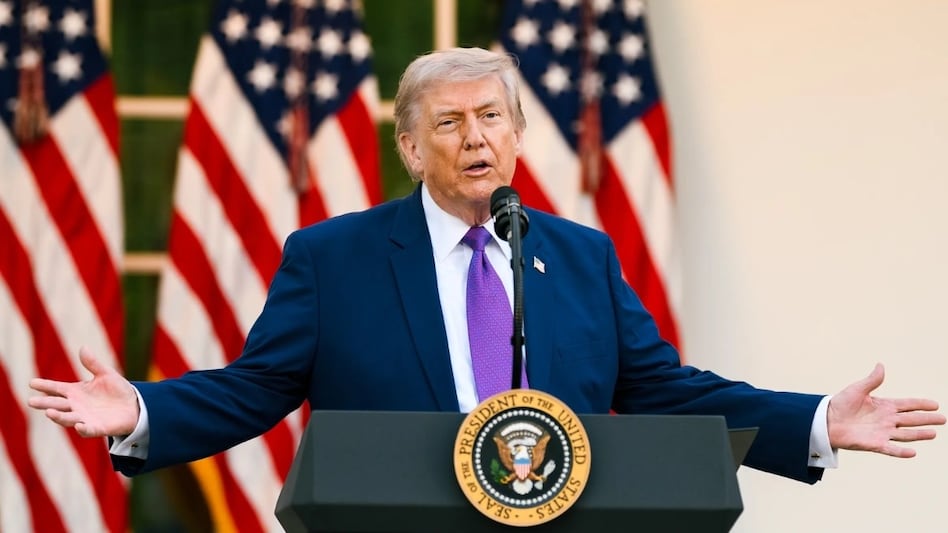
Donald Trump and Iran are telling different stories about the same agreement, and on Tuesday, Trump pushed back hard. The US President publicly rejected Tehran's claims that no nuclear inspection arrangement had been agreed upon, insisting that international inspectors would be allowed into Iran under the proposed US-Iran peace deal.
"They're wrong. They know they're wrong and if they were right, I'd cancel the meetings right now," Trump said, in a direct response to Iranian officials who have disputed the scope of any monitoring mechanism included in the current peace framework.
He added that inspectors from the International Atomic Energy Agency would be given access at the appropriate stage of the process. "They'll be on the ground at the appropriate time," Trump said.
A visible disagreement at the heart of the deal
The exchange reflected a deepening divergence between Washington and Tehran over one of the most sensitive elements of any nuclear agreement,s verification. In recent days, US officials have made clear that inspections form a central pillar of any arrangement aimed at limiting Iran's nuclear activities. Iranian officials, by contrast, have publicly pushed back against suggestions that they accepted broad international access as part of the proposed framework.
The question of nuclear inspections has historically been among the most contentious issues in US-Iran diplomacy. Verification requirements have derailed or complicated past agreements, and the current negotiation is no different. The 2015 Joint Comprehensive Plan of Action was built around an extensive IAEA monitoring regime, and Trump withdrew from that deal in his first term, in part because he viewed its inspection mechanisms as insufficient.
What Trump's remarks signal
Tuesday's comments make Washington's position clear: inspections are not optional. The administration views verification as essential to ensuring that any diplomatic agreement translates into enforceable commitments rather than a framework Tehran can interpret selectively.
Meanwhile, negotiations over a broader framework to reduce tensions and establish longer-term arrangements regarding Iran's nuclear programme are continuing, but the question of inspections is now squarely at the centre of the remaining disagreements.
Donald Trump and Iran are telling different stories about the same agreement, and on Tuesday, Trump pushed back hard. The US President publicly rejected Tehran's claims that no nuclear inspection arrangement had been agreed upon, insisting that international inspectors would be allowed into Iran under the proposed US-Iran peace deal.
"They're wrong. They know they're wrong and if they were right, I'd cancel the meetings right now," Trump said, in a direct response to Iranian officials who have disputed the scope of any monitoring mechanism included in the current peace framework.
He added that inspectors from the International Atomic Energy Agency would be given access at the appropriate stage of the process. "They'll be on the ground at the appropriate time," Trump said.
A visible disagreement at the heart of the deal
The exchange reflected a deepening divergence between Washington and Tehran over one of the most sensitive elements of any nuclear agreement,s verification. In recent days, US officials have made clear that inspections form a central pillar of any arrangement aimed at limiting Iran's nuclear activities. Iranian officials, by contrast, have publicly pushed back against suggestions that they accepted broad international access as part of the proposed framework.
The question of nuclear inspections has historically been among the most contentious issues in US-Iran diplomacy. Verification requirements have derailed or complicated past agreements, and the current negotiation is no different. The 2015 Joint Comprehensive Plan of Action was built around an extensive IAEA monitoring regime, and Trump withdrew from that deal in his first term, in part because he viewed its inspection mechanisms as insufficient.
What Trump's remarks signal
Tuesday's comments make Washington's position clear: inspections are not optional. The administration views verification as essential to ensuring that any diplomatic agreement translates into enforceable commitments rather than a framework Tehran can interpret selectively.
Meanwhile, negotiations over a broader framework to reduce tensions and establish longer-term arrangements regarding Iran's nuclear programme are continuing, but the question of inspections is now squarely at the centre of the remaining disagreements.