
Trump says shelved Iran strike would have been 'biggest since WW2'; diplomacy talks begin today
Trump said diplomacy was the preferred option to avoid further casualties and damage, even as tensions over Iran’s nuclear programme, the Strait of Hormuz and regional security remain unresolved
- Aug 3, 2026,
- Updated Aug 3, 2026 7:59 AM IST
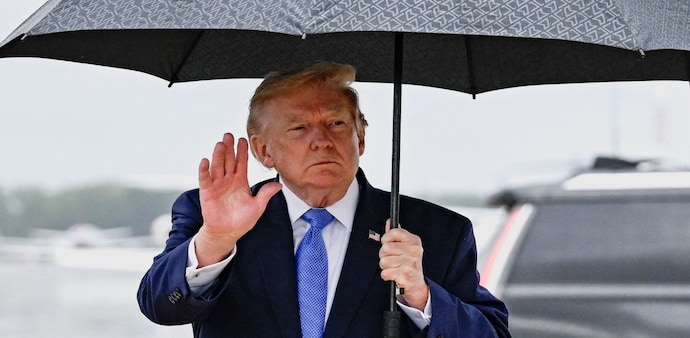
US President Donald Trump has stepped back from a planned military strike on Iran, saying the operation would have caused unprecedented destruction, and is instead turning to negotiations. Speaking aboard Air Force One, Trump said talks with Tehran are scheduled to begin on Monday afternoon, though he avoided setting a timeline for reaching a deal.
Trump said diplomacy was the preferred option to avoid further casualties and damage, even as tensions over Iran’s nuclear programme, the Strait of Hormuz and regional security remain unresolved.
Trump pushes for negotiated settlement
"We're talking to them in the form of a negotiation. It begins tomorrow afternoon, and we'll see," Trump said, adding that he would rather pursue an agreement than escalate the conflict.
The US President said he believed a deal could prevent significant loss of life and destruction. "I'd love to do that. Save a lot of lives," he said, adding that avoiding conflict would prevent damage that could "take many, many years to ever build it back."
Trump said Iran had opposed the planned military action and claimed Saudi Arabia was also supporting diplomacy because it believed "a deal is imminent."
When asked if Tehran faced a deadline to reach an agreement, Trump said, "I'd rather make a deal. I'm not looking to kill people because people die, a lot of people die, and we don't want that."
Strait of Hormuz remains central to talks
The diplomatic push comes after Trump said Iran and other Middle Eastern countries had requested additional time to negotiate a deal aimed at reopening the Strait of Hormuz and addressing concerns over Iran’s nuclear activities.
The waterway remains a major point of concern, with around one-fifth of global oil and liquefied natural gas supplies normally passing through it. Restrictions on shipping through the strait have raised concerns over energy prices and global inflation.
Oil prices, however, fell more than 4% in early trading on Monday as expectations of renewed negotiations reduced fears of further disruption.
Iran steps up regional diplomacy
Iranian Foreign Minister Abbas Araqchi held separate calls with Saudi Foreign Minister Prince Faisal bin Farhan and Pakistan’s Army Chief Asim Munir as part of diplomatic efforts, according to Iranian state media.
Iran’s state news agency IRNA also reported that discussions with Oman over issues linked to the Strait of Hormuz were nearing completion. However, Iranian Foreign Ministry spokesperson Esmaeil Baghaei clarified that the talks involved a proposed shipping route and were not related to reopening or closing the waterway.
Israel warns it will act if Iran expands nuclear programme
Israel said it would continue monitoring Iran’s nuclear and missile programmes regardless of the outcome of diplomatic efforts.
Energy Minister Eli Cohen, who is part of Prime Minister Benjamin Netanyahu’s security cabinet, said Israel would maintain coordination with the US and warned that military action remained an option if Iran attempted to restart its nuclear programme or expand its ballistic missile capabilities.
Trump and Netanyahu had met in Washington last week to discuss diplomatic, economic and military options related to Iran’s nuclear ambitions. Tehran has repeatedly denied that it is seeking to develop nuclear weapons.
US President Donald Trump has stepped back from a planned military strike on Iran, saying the operation would have caused unprecedented destruction, and is instead turning to negotiations. Speaking aboard Air Force One, Trump said talks with Tehran are scheduled to begin on Monday afternoon, though he avoided setting a timeline for reaching a deal.
Trump said diplomacy was the preferred option to avoid further casualties and damage, even as tensions over Iran’s nuclear programme, the Strait of Hormuz and regional security remain unresolved.
Trump pushes for negotiated settlement
"We're talking to them in the form of a negotiation. It begins tomorrow afternoon, and we'll see," Trump said, adding that he would rather pursue an agreement than escalate the conflict.
The US President said he believed a deal could prevent significant loss of life and destruction. "I'd love to do that. Save a lot of lives," he said, adding that avoiding conflict would prevent damage that could "take many, many years to ever build it back."
Trump said Iran had opposed the planned military action and claimed Saudi Arabia was also supporting diplomacy because it believed "a deal is imminent."
When asked if Tehran faced a deadline to reach an agreement, Trump said, "I'd rather make a deal. I'm not looking to kill people because people die, a lot of people die, and we don't want that."
Strait of Hormuz remains central to talks
The diplomatic push comes after Trump said Iran and other Middle Eastern countries had requested additional time to negotiate a deal aimed at reopening the Strait of Hormuz and addressing concerns over Iran’s nuclear activities.
The waterway remains a major point of concern, with around one-fifth of global oil and liquefied natural gas supplies normally passing through it. Restrictions on shipping through the strait have raised concerns over energy prices and global inflation.
Oil prices, however, fell more than 4% in early trading on Monday as expectations of renewed negotiations reduced fears of further disruption.
Iran steps up regional diplomacy
Iranian Foreign Minister Abbas Araqchi held separate calls with Saudi Foreign Minister Prince Faisal bin Farhan and Pakistan’s Army Chief Asim Munir as part of diplomatic efforts, according to Iranian state media.
Iran’s state news agency IRNA also reported that discussions with Oman over issues linked to the Strait of Hormuz were nearing completion. However, Iranian Foreign Ministry spokesperson Esmaeil Baghaei clarified that the talks involved a proposed shipping route and were not related to reopening or closing the waterway.
Israel warns it will act if Iran expands nuclear programme
Israel said it would continue monitoring Iran’s nuclear and missile programmes regardless of the outcome of diplomatic efforts.
Energy Minister Eli Cohen, who is part of Prime Minister Benjamin Netanyahu’s security cabinet, said Israel would maintain coordination with the US and warned that military action remained an option if Iran attempted to restart its nuclear programme or expand its ballistic missile capabilities.
Trump and Netanyahu had met in Washington last week to discuss diplomatic, economic and military options related to Iran’s nuclear ambitions. Tehran has repeatedly denied that it is seeking to develop nuclear weapons.