
US alerted Iran of Israeli plot to assassinate top peace deal negotiators: Report
The report indicated a divergence between US and Israeli objectives in the conflict. While the US moved towards ceasefire and peace talks, Israeli officials remained skeptical of the ceasefire.
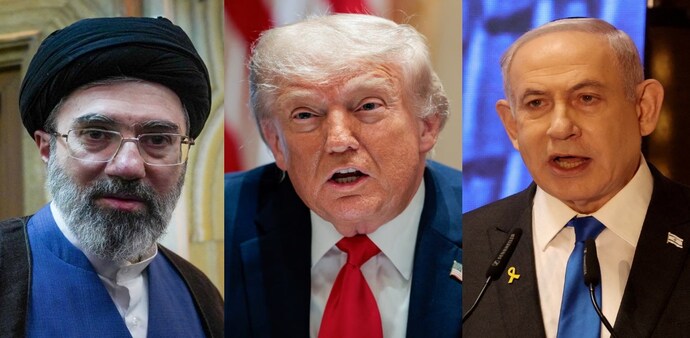
- Jul 3, 2026,
- Updated Jul 3, 2026 8:05 AM IST
The United States reportedly warned Iran of an Israeli plot to assassinate negotiators Abbas Araghchi and Mohammad Bagher Ghalibaf during the fragile ceasefire talks that began in April. Washington was concerned that any attack on Iran’s foreign minister and Parliament speaker would derail the negotiations and lead to renewed fighting.
According to a report by The New York Times that cited current and former US officials, the US asked countries in the Middle East to alert Tehran about the possibility of such assassination attempts.
The report indicated a divergence between US and Israeli objectives in the conflict. While the US moved towards ceasefire and peace talks, Israeli officials were skeptical of the ceasefire from the beginning and later opposed the preliminary US-Iran agreement.
In the meantime, Araghchi and Ghalibaf became key figures in efforts to halt fighting and build a lasting peace with the US.
The report stated that targeting top Iranian figures was part of Israel’s strategy from the start of the war. The conflict began on February 28 with an Israeli strike that killed supreme leader Ayatollah Ali Khamenei and other senior officials, using US intelligence. Israel concentrated on eliminating senior leadership. Among those killed were Ali Larijani, Iran’s top national security official, and Kamal Kharazi, a former foreign minister, both seen as potentially pragmatic leaders with whom the Trump administration had hoped to negotiate.
They were killed during talks with the United States in Israeli airstrikes.
MUST READ | Iran invites Kharge, Salman Khurshid and Pawan Khera to Khamenei's burial ceremonies
The New York Times reported that some US officials believed Israel planned to assassinate Araghchi and Ghalibaf in the weeks following the first ceasefire on April 8. US officials acknowledged that during the conflict’s most intense phase, Israel might have considered both men legitimate targets to weaken Iran’s hardline government.
The report also described an alleged assassination attempt involving Ghalibaf. US officials believed Israel planned to target him as he returned to Tehran from Islamabad on April 12 after talks with US Vice President JD Vance. US authorities informed Tehran that two Israeli fighter jets had entered Iranian airspace through Iraq and intended to target Ghalibaf’s aircraft. Tehran relayed the warning to the plane, and Ghalibaf made an emergency landing in Mashhad instead of continuing to Tehran, the report said.
The United States reportedly warned Iran of an Israeli plot to assassinate negotiators Abbas Araghchi and Mohammad Bagher Ghalibaf during the fragile ceasefire talks that began in April. Washington was concerned that any attack on Iran’s foreign minister and Parliament speaker would derail the negotiations and lead to renewed fighting.
According to a report by The New York Times that cited current and former US officials, the US asked countries in the Middle East to alert Tehran about the possibility of such assassination attempts.
The report indicated a divergence between US and Israeli objectives in the conflict. While the US moved towards ceasefire and peace talks, Israeli officials were skeptical of the ceasefire from the beginning and later opposed the preliminary US-Iran agreement.
In the meantime, Araghchi and Ghalibaf became key figures in efforts to halt fighting and build a lasting peace with the US.
The report stated that targeting top Iranian figures was part of Israel’s strategy from the start of the war. The conflict began on February 28 with an Israeli strike that killed supreme leader Ayatollah Ali Khamenei and other senior officials, using US intelligence. Israel concentrated on eliminating senior leadership. Among those killed were Ali Larijani, Iran’s top national security official, and Kamal Kharazi, a former foreign minister, both seen as potentially pragmatic leaders with whom the Trump administration had hoped to negotiate.
They were killed during talks with the United States in Israeli airstrikes.
MUST READ | Iran invites Kharge, Salman Khurshid and Pawan Khera to Khamenei's burial ceremonies
The New York Times reported that some US officials believed Israel planned to assassinate Araghchi and Ghalibaf in the weeks following the first ceasefire on April 8. US officials acknowledged that during the conflict’s most intense phase, Israel might have considered both men legitimate targets to weaken Iran’s hardline government.
The report also described an alleged assassination attempt involving Ghalibaf. US officials believed Israel planned to target him as he returned to Tehran from Islamabad on April 12 after talks with US Vice President JD Vance. US authorities informed Tehran that two Israeli fighter jets had entered Iranian airspace through Iraq and intended to target Ghalibaf’s aircraft. Tehran relayed the warning to the plane, and Ghalibaf made an emergency landing in Mashhad instead of continuing to Tehran, the report said.