
US households face $100.9 billion fuel bill as Iran war keeps energy prices high
Gas prices climbed to a fresh three-month high above $4.15 a gallon on Tuesday, according to AAA.
- Sep 9, 2026,
- Updated Sep 9, 2026 1:25 PM IST
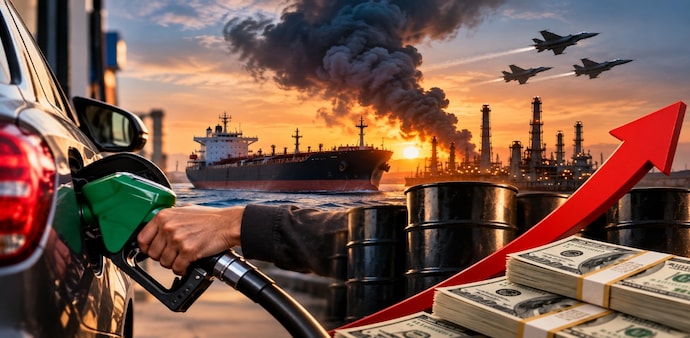
US consumers have spent an extra $100.9 billion on gasoline and diesel since the Iran war began at the end of February, according to a Brown University cost tracker, CNN reported on Wednesday.
That works out to around $770 per US household, with fuel prices still elevated as the conflict continues. The additional cost is calculated by comparing actual energy prices with what they would have been if there had been no war.
Gasoline costs Americans $55 billion more
Americans have spent $55 billion more on gasoline alone since the war began, an average of $422 per household.
Gas prices climbed to a fresh three-month high above $4.15 a gallon on Tuesday, according to AAA. That is up from $3.20 at the same point last year and $2.98 before the war started.
AAA is an US organisation that tracks and publishes daily gasoline and diesel prices.
Prices are still below the post-war high of $4.56 in May and the record $5.02 a gallon reached in 2022 after Russia invaded Ukraine.
“We’re looking at a fall that’s going to be the most expensive ever for gasoline, but really for diesel. And that’s going to fuel every aspect of inflation,” Tom Kloza, chief energy adviser at Gulf Oil, told CNN.
Diesel hits record high
Diesel prices have climbed even faster. The average price of a gallon of diesel is now $5.90, up from $3.76 when the war started.
Americans have spent an additional $46 billion on diesel, or about $348 per household, according to Brown University.
Diesel prices have risen more than 60% this year, putting them on track for their biggest annual percentage increase since AAA began tracking the data in 2000.
The impact can spread beyond the pump because diesel powers trucks, trains, tractors and boats, making it an important part of the cost of transporting goods.
Oil prices remain a concern
Brent crude, the global oil benchmark, is now flirting with $100 a barrel. Goldman Sachs has raised its December Brent forecast by $5 to $85 a barrel and expects Brent to average $80 in 2027, up from its previous forecast of $75.
The bank expects Middle East oil production to recover only gradually by the second of next year. It has warned Brent could top $120 if Gulf output remains well below pre-war levels.
A shortage of refining capacity is adding to the pressure. Three of the world's four major refining hubs, the Middle East, Russia and China, have been affected by war and export restrictions.
“This is a quiet but very, very concerning crisis right now,” Kloza said, adding that consumers across the country are “gonna pay a fortune.”
Higher fuel costs add to inflation
The August Consumer Price Index report, due Friday, is projected to show prices rising 3.4% year over year.
Inflation remains above the Federal Reserve's 2% target, with the central bank expected to seriously consider raising interest rates next week.
California is facing even higher diesel prices. AAA put the state's average at a record $7.83 a gallon on Tuesday, up from $5.14 a year ago.
Patrick De Haan, head of petroleum analysis at GasBuddy, warned that diesel “could blow past” $8 a gallon in California.
“Some pumps aren’t even built to display what could come next,” De Haan told CNN.
President Donald Trump has promised lower energy prices, saying on Truth Social on Monday.
“Oil prices will drop precipitously…when we WIN the war with Iran," he wrote.
Must Read: L&T secures up to Rs 5,000 crore ONGC order for offshore oil and gas development projects
How the Iran war began
The conflict began on February 28, 2026, when the US and Israel launched military strikes against Iran.
The fighting has continued for months, with attacks and counterattacks involving US and Iranian forces and growing tensions around key shipping routes.
A major concern for energy markets has been the Strait of Hormuz, the narrow waterway between Iran and Oman through which a large share of the world's oil and gas normally passes and shipping through the strait has been severely disrupted as the conflict has intensified.
US consumers have spent an extra $100.9 billion on gasoline and diesel since the Iran war began at the end of February, according to a Brown University cost tracker, CNN reported on Wednesday.
That works out to around $770 per US household, with fuel prices still elevated as the conflict continues. The additional cost is calculated by comparing actual energy prices with what they would have been if there had been no war.
Gasoline costs Americans $55 billion more
Americans have spent $55 billion more on gasoline alone since the war began, an average of $422 per household.
Gas prices climbed to a fresh three-month high above $4.15 a gallon on Tuesday, according to AAA. That is up from $3.20 at the same point last year and $2.98 before the war started.
AAA is an US organisation that tracks and publishes daily gasoline and diesel prices.
Prices are still below the post-war high of $4.56 in May and the record $5.02 a gallon reached in 2022 after Russia invaded Ukraine.
“We’re looking at a fall that’s going to be the most expensive ever for gasoline, but really for diesel. And that’s going to fuel every aspect of inflation,” Tom Kloza, chief energy adviser at Gulf Oil, told CNN.
Diesel hits record high
Diesel prices have climbed even faster. The average price of a gallon of diesel is now $5.90, up from $3.76 when the war started.
Americans have spent an additional $46 billion on diesel, or about $348 per household, according to Brown University.
Diesel prices have risen more than 60% this year, putting them on track for their biggest annual percentage increase since AAA began tracking the data in 2000.
The impact can spread beyond the pump because diesel powers trucks, trains, tractors and boats, making it an important part of the cost of transporting goods.
Oil prices remain a concern
Brent crude, the global oil benchmark, is now flirting with $100 a barrel. Goldman Sachs has raised its December Brent forecast by $5 to $85 a barrel and expects Brent to average $80 in 2027, up from its previous forecast of $75.
The bank expects Middle East oil production to recover only gradually by the second of next year. It has warned Brent could top $120 if Gulf output remains well below pre-war levels.
A shortage of refining capacity is adding to the pressure. Three of the world's four major refining hubs, the Middle East, Russia and China, have been affected by war and export restrictions.
“This is a quiet but very, very concerning crisis right now,” Kloza said, adding that consumers across the country are “gonna pay a fortune.”
Higher fuel costs add to inflation
The August Consumer Price Index report, due Friday, is projected to show prices rising 3.4% year over year.
Inflation remains above the Federal Reserve's 2% target, with the central bank expected to seriously consider raising interest rates next week.
California is facing even higher diesel prices. AAA put the state's average at a record $7.83 a gallon on Tuesday, up from $5.14 a year ago.
Patrick De Haan, head of petroleum analysis at GasBuddy, warned that diesel “could blow past” $8 a gallon in California.
“Some pumps aren’t even built to display what could come next,” De Haan told CNN.
President Donald Trump has promised lower energy prices, saying on Truth Social on Monday.
“Oil prices will drop precipitously…when we WIN the war with Iran," he wrote.
Must Read: L&T secures up to Rs 5,000 crore ONGC order for offshore oil and gas development projects
How the Iran war began
The conflict began on February 28, 2026, when the US and Israel launched military strikes against Iran.
The fighting has continued for months, with attacks and counterattacks involving US and Iranian forces and growing tensions around key shipping routes.
A major concern for energy markets has been the Strait of Hormuz, the narrow waterway between Iran and Oman through which a large share of the world's oil and gas normally passes and shipping through the strait has been severely disrupted as the conflict has intensified.