
Warren Buffett steps down as Chairman after 60 years: What changes at Berkshire Hathaway now
Berkshire Hathaway said Buffett will become chairman emeritus and remain on the company’s board, allowing him to continue providing his judgment and perspective. His son, Howard Buffett, has been named chairman.
- Sep 18, 2026,
- Updated Sep 18, 2026 4:03 PM IST
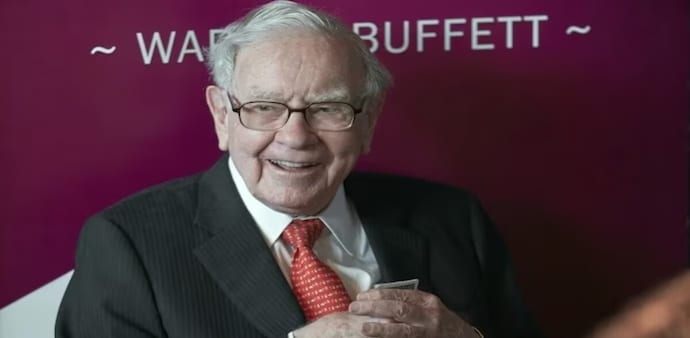
Warren Buffett’s six-decade tenure at the top of Berkshire Hathaway has entered its final chapter. The 96-year-old investing legend has stepped down as chairman of the conglomerate with immediate effect, marking another major milestone in Berkshire’s carefully managed leadership transition.
Berkshire Hathaway said Buffett will become chairman emeritus and remain on the company’s board, allowing him to continue providing his judgment and perspective. His son, Howard Buffett, has been named chairman. Greg Abel, who took over as Berkshire’s CEO at the beginning of 2026, remains in charge of day-to-day operations and capital allocation.
Steps down after more than 60 years
Buffett, widely known as the 'Oracle of Omaha', took control of Berkshire Hathaway in 1965, when it was a struggling textile company. Over the following six decades, he transformed it into a sprawling conglomerate with businesses spanning insurance, railroads, energy, manufacturing, retail and investments.
The scale of that transformation is reflected in Berkshire’s roughly $1 trillion-plus valuation and its position as one of the most closely watched companies in global markets. Buffett’s tenure also produced an average annual return of nearly 20% for Berkshire shareholders.
His departure from the chairmanship therefore represents more than a change in title. It removes the last formal top-level leadership role Buffett held after Greg Abel succeeded him as CEO.
Buffett had already handed over the CEO position to Abel on January 1, 2026, after years of succession planning. Abel, a longtime Berkshire executive who previously oversaw its non-insurance businesses, now has responsibility for running the conglomerate and making investment decisions.
Howard Buffett takes over as chairman
The latest move brings Howard G. Buffett, Warren Buffett’s son, into the chairmanship.
Howard has been a Berkshire director since 1993. He has also spent years working in philanthropy and conservation through the Howard G. Buffett Foundation.
The appointment gives Berkshire a chairman with a long institutional association with the company, while Abel remains the executive responsible for the business.
Importantly, Warren Buffett is not completely leaving Berkshire. As chairman emeritus, he will remain a board member and continue to offer his perspective.
Why Buffett’s role still matters
The transition comes as Berkshire moves into a different investment environment under Abel. The company has been sitting on a huge cash pile while looking for opportunities to deploy capital.
Berkshire has also increased its exposure to technology, including a significant investment in Alphabet, the parent company of Google.
Abel has highlighted opportunities arising from the rapid expansion of artificial intelligence, particularly the enormous electricity demand from data centres.
Berkshire ended June with about $364.7 billion in cash, underscoring the scale of the capital allocation challenge facing Abel. The company has also made major moves in housing, including its roughly $6.8 billion acquisition of homebuilder Taylor Morrison.
That makes the leadership transition significant for investors watching how Berkshire deploys its enormous resources without Buffett formally occupying the company’s top executive or chairman’s seat.
Buffett’s investment philosophy remains part of Berkshire’s DNA
Buffett’s influence on Berkshire, however, extends far beyond his formal titles. For decades, his approach centred on buying businesses he considered understandable and durable, maintaining a long-term investment horizon and avoiding excessive leverage or speculative behaviour.
As recently as May 2026, Buffett warned that markets had become unusually speculative, saying people were in a particularly strong “gambling mood”. He distinguished that behaviour from long-term investing and cautioned that prices of many assets could eventually appear disconnected from fundamentals.
His continued presence on Berkshire’s board means investors will still have access to his experience even as Abel increasingly defines the company’s next phase.
From Buffett era to Abel era
The succession is therefore taking place in stages rather than through a single dramatic break.
- Warren Buffett: Chairman emeritus and board member
- Howard Buffett: Chairman
- Greg Abel: CEO and operational leader
That structure allows Berkshire to preserve a link to the Buffett era while putting executive authority firmly in Abel’s hands.
For shareholders, the bigger question is no longer simply who succeeds Buffett. It is how Berkshire’s culture, enormous capital base and investment discipline evolve when the man who shaped the company for more than six decades is no longer its chairman.
Warren Buffett’s six-decade tenure at the top of Berkshire Hathaway has entered its final chapter. The 96-year-old investing legend has stepped down as chairman of the conglomerate with immediate effect, marking another major milestone in Berkshire’s carefully managed leadership transition.
Berkshire Hathaway said Buffett will become chairman emeritus and remain on the company’s board, allowing him to continue providing his judgment and perspective. His son, Howard Buffett, has been named chairman. Greg Abel, who took over as Berkshire’s CEO at the beginning of 2026, remains in charge of day-to-day operations and capital allocation.
Steps down after more than 60 years
Buffett, widely known as the 'Oracle of Omaha', took control of Berkshire Hathaway in 1965, when it was a struggling textile company. Over the following six decades, he transformed it into a sprawling conglomerate with businesses spanning insurance, railroads, energy, manufacturing, retail and investments.
The scale of that transformation is reflected in Berkshire’s roughly $1 trillion-plus valuation and its position as one of the most closely watched companies in global markets. Buffett’s tenure also produced an average annual return of nearly 20% for Berkshire shareholders.
His departure from the chairmanship therefore represents more than a change in title. It removes the last formal top-level leadership role Buffett held after Greg Abel succeeded him as CEO.
Buffett had already handed over the CEO position to Abel on January 1, 2026, after years of succession planning. Abel, a longtime Berkshire executive who previously oversaw its non-insurance businesses, now has responsibility for running the conglomerate and making investment decisions.
Howard Buffett takes over as chairman
The latest move brings Howard G. Buffett, Warren Buffett’s son, into the chairmanship.
Howard has been a Berkshire director since 1993. He has also spent years working in philanthropy and conservation through the Howard G. Buffett Foundation.
The appointment gives Berkshire a chairman with a long institutional association with the company, while Abel remains the executive responsible for the business.
Importantly, Warren Buffett is not completely leaving Berkshire. As chairman emeritus, he will remain a board member and continue to offer his perspective.
Why Buffett’s role still matters
The transition comes as Berkshire moves into a different investment environment under Abel. The company has been sitting on a huge cash pile while looking for opportunities to deploy capital.
Berkshire has also increased its exposure to technology, including a significant investment in Alphabet, the parent company of Google.
Abel has highlighted opportunities arising from the rapid expansion of artificial intelligence, particularly the enormous electricity demand from data centres.
Berkshire ended June with about $364.7 billion in cash, underscoring the scale of the capital allocation challenge facing Abel. The company has also made major moves in housing, including its roughly $6.8 billion acquisition of homebuilder Taylor Morrison.
That makes the leadership transition significant for investors watching how Berkshire deploys its enormous resources without Buffett formally occupying the company’s top executive or chairman’s seat.
Buffett’s investment philosophy remains part of Berkshire’s DNA
Buffett’s influence on Berkshire, however, extends far beyond his formal titles. For decades, his approach centred on buying businesses he considered understandable and durable, maintaining a long-term investment horizon and avoiding excessive leverage or speculative behaviour.
As recently as May 2026, Buffett warned that markets had become unusually speculative, saying people were in a particularly strong “gambling mood”. He distinguished that behaviour from long-term investing and cautioned that prices of many assets could eventually appear disconnected from fundamentals.
His continued presence on Berkshire’s board means investors will still have access to his experience even as Abel increasingly defines the company’s next phase.
From Buffett era to Abel era
The succession is therefore taking place in stages rather than through a single dramatic break.
- Warren Buffett: Chairman emeritus and board member
- Howard Buffett: Chairman
- Greg Abel: CEO and operational leader
That structure allows Berkshire to preserve a link to the Buffett era while putting executive authority firmly in Abel’s hands.
For shareholders, the bigger question is no longer simply who succeeds Buffett. It is how Berkshire’s culture, enormous capital base and investment discipline evolve when the man who shaped the company for more than six decades is no longer its chairman.