
'We are prepared...': Iran foreign minister warns of 'doomsday war' after Trump rejects peace offer
"If you ask us, there is no reason why we should go back to diplomacy," Araghchi remarked. "But I am still trying diplomacy because I think we shouldn't miss any chance for peace."
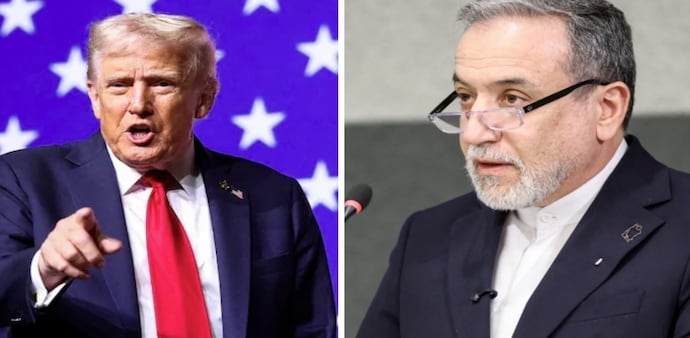
- Sep 28, 2026,
- Updated Sep 28, 2026 8:37 AM IST
In a sharp escalation of rhetoric following the collapse of recent peace overtures, Iranian Foreign Minister Seyyed Abbas Araghchi declared that Tehran is fully prepared to confront the United States in a "doomsday war" if military aggression resumes.
"We are fully prepared for the war to be resumed. We stand firm in the face of any new aggression, even if it comes to a doomsday war. We don't care about US midterm elections. We care about our national interests," Araghchi stated in an interview with NBC News.
Trump rejects 7-day Hormuz plan
The warning follows Washington's public rejection of an Iranian proposal to end the ongoing blockade of the Strait of Hormuz.
Submitted during high-level side talks at the UN General Assembly in New York, Tehran put forward a structured seven-day plan offering to reopen the critical maritime oil route in exchange for the unfreezing of Iranian financial assets, the lifting of economic sanctions, and a permanent halt to hostilities.
US President Donald Trump dismissed the terms, characterising the offer as an unacceptable demand that would grant Iran immediate access to billions of dollars in relief. "They want to make a deal to open the Hormuz Strait immediately because they're losing so badly," Trump told reporters at the White House.
UN Ambassador Mike Waltz echoed the president's stance, arguing that Iranian negotiators were not acting in good faith by "asking for everything up front".
Escalating tensions & future diplomacy
Despite rejecting the proposal, Trump indicated in interviews that he expects indirect talks between Washington and Tehran to resume in the coming days, even as reports suggest he has discussed resuming targeted military strikes against Iranian positions following the US midterm elections.
Iranian officials maintain that Tehran has not completely closed the door on a negotiated settlement. Pointing out that Washington had not formally communicated its rejection through designated diplomatic channels, Araghchi emphasized that Iran remains willing to engage if the United States reconsiders its stance.
"If you ask us, there is no reason why we should go back to diplomacy," Araghchi remarked. "But I am still trying diplomacy because I think we shouldn't miss any chance for peace." He added that Iranian forces have recalibrated their military tactics based on outcomes from earlier conflicts, ensuring the nation can defend its sovereign interests across all fronts.
In a sharp escalation of rhetoric following the collapse of recent peace overtures, Iranian Foreign Minister Seyyed Abbas Araghchi declared that Tehran is fully prepared to confront the United States in a "doomsday war" if military aggression resumes.
"We are fully prepared for the war to be resumed. We stand firm in the face of any new aggression, even if it comes to a doomsday war. We don't care about US midterm elections. We care about our national interests," Araghchi stated in an interview with NBC News.
Trump rejects 7-day Hormuz plan
The warning follows Washington's public rejection of an Iranian proposal to end the ongoing blockade of the Strait of Hormuz.
Submitted during high-level side talks at the UN General Assembly in New York, Tehran put forward a structured seven-day plan offering to reopen the critical maritime oil route in exchange for the unfreezing of Iranian financial assets, the lifting of economic sanctions, and a permanent halt to hostilities.
US President Donald Trump dismissed the terms, characterising the offer as an unacceptable demand that would grant Iran immediate access to billions of dollars in relief. "They want to make a deal to open the Hormuz Strait immediately because they're losing so badly," Trump told reporters at the White House.
UN Ambassador Mike Waltz echoed the president's stance, arguing that Iranian negotiators were not acting in good faith by "asking for everything up front".
Escalating tensions & future diplomacy
Despite rejecting the proposal, Trump indicated in interviews that he expects indirect talks between Washington and Tehran to resume in the coming days, even as reports suggest he has discussed resuming targeted military strikes against Iranian positions following the US midterm elections.
Iranian officials maintain that Tehran has not completely closed the door on a negotiated settlement. Pointing out that Washington had not formally communicated its rejection through designated diplomatic channels, Araghchi emphasized that Iran remains willing to engage if the United States reconsiders its stance.
"If you ask us, there is no reason why we should go back to diplomacy," Araghchi remarked. "But I am still trying diplomacy because I think we shouldn't miss any chance for peace." He added that Iranian forces have recalibrated their military tactics based on outcomes from earlier conflicts, ensuring the nation can defend its sovereign interests across all fronts.