
WGS Dialogue brings 7 UN Secretary-General candidates together to debate the future of multilateralism
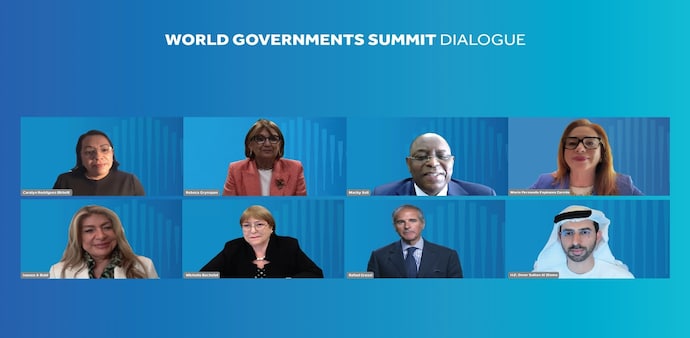
WGS Dialogue: The virtual event, titled ‘The Future of Global Leadership’, included former presidents, international officials, and ambassadors.
- Sep 1, 2026,
- Updated Sep 1, 2026 2:57 PM IST
Seven candidates for the post of United Nations secretary-general took part in a World Governments Summit (WGS) Dialogue to debate the future of multilateralism. The discussion focused on calls for UN reform, stronger partnerships, and a more proactive approach to global crises.
The virtual event, titled ‘The Future of Global Leadership’, included former presidents, international officials, and ambassadors. They discussed global leadership, technological change, and the challenges facing governments and the international system.
The seven candidates included:
- Macky Sall, Former President of the Republic of Senegal
- Michelle Bachelet, Former President of the Republic of Chile
- Rafael Mariano Grossi, Director General of the International Atomic Energy Agency
- María Fernanda Espinosa, President of the 73rd Session of the United Nations General Assembly
- Carolyn Rodrigues-Birkett, Permanent Representative of the Republic of Guyana to the United Nations
- Rebeca Grynspan, Secretary-General of the United Nations Conference on Trade and Development (UNCTAD)
- Ivonne A-Baki, Former Ambassador of the Republic of Ecuador to the State of Qatar, the Republic of France, and the United States of America
A key theme was the need to reform the United Nations while maintaining its role as the main platform for international cooperation. Carolyn Rodrigues-Birkett said there was "no alternative to the United Nations" and that reform was possible. She stressed the secretary-general should focus on building bridges between member states, regional organisations, global companies, and institutions, prioritising peace, security, sustainable development, and human rights.
Rebeca Grynspan noted that multipolarity is a reality but multilateralism remains a choice. She warned that without multilateralism, multipolarity could lead to fragmentation. She called for stronger partnerships, greater trust with member states, and enhanced multilateral financing for development.
Macky Sall said development should be treated as a peace strategy, arguing that persistent poverty is incompatible with peace. He urged the UN to rebuild trust and become more effective and agile in responding to geopolitical tensions.
Michelle Bachelet called for a renewal of multilateralism so the UN can anticipate crises rather than react to them. She said the organisation needs to become more representative, fair, and effective, with greater emphasis on prevention, diplomacy, and partnerships.
María Fernanda Espinosa stated that the time has come for a woman to lead the United Nations. She said reform should be measured by lives saved, children protected, and conflicts prevented.
Ivonne A-Baki called for a UN that "acts rather than reacts", highlighting the growing influence of major technology companies and the need for stronger cooperation, transparency, regulation, and corporate responsibility.
Rafael Grossi said international institutions must recognise the need for change. He pointed to conflicts and fragmentation alongside challenges involving health, energy, the environment, climate, and food.
The dialogue also examined artificial intelligence, including its governance, role in development, and the need for cooperation between governments, international organisations, and major technology companies.
Seven candidates for the post of United Nations secretary-general took part in a World Governments Summit (WGS) Dialogue to debate the future of multilateralism. The discussion focused on calls for UN reform, stronger partnerships, and a more proactive approach to global crises.
The virtual event, titled ‘The Future of Global Leadership’, included former presidents, international officials, and ambassadors. They discussed global leadership, technological change, and the challenges facing governments and the international system.
The seven candidates included:
- Macky Sall, Former President of the Republic of Senegal
- Michelle Bachelet, Former President of the Republic of Chile
- Rafael Mariano Grossi, Director General of the International Atomic Energy Agency
- María Fernanda Espinosa, President of the 73rd Session of the United Nations General Assembly
- Carolyn Rodrigues-Birkett, Permanent Representative of the Republic of Guyana to the United Nations
- Rebeca Grynspan, Secretary-General of the United Nations Conference on Trade and Development (UNCTAD)
- Ivonne A-Baki, Former Ambassador of the Republic of Ecuador to the State of Qatar, the Republic of France, and the United States of America
A key theme was the need to reform the United Nations while maintaining its role as the main platform for international cooperation. Carolyn Rodrigues-Birkett said there was "no alternative to the United Nations" and that reform was possible. She stressed the secretary-general should focus on building bridges between member states, regional organisations, global companies, and institutions, prioritising peace, security, sustainable development, and human rights.
Rebeca Grynspan noted that multipolarity is a reality but multilateralism remains a choice. She warned that without multilateralism, multipolarity could lead to fragmentation. She called for stronger partnerships, greater trust with member states, and enhanced multilateral financing for development.
Macky Sall said development should be treated as a peace strategy, arguing that persistent poverty is incompatible with peace. He urged the UN to rebuild trust and become more effective and agile in responding to geopolitical tensions.
Michelle Bachelet called for a renewal of multilateralism so the UN can anticipate crises rather than react to them. She said the organisation needs to become more representative, fair, and effective, with greater emphasis on prevention, diplomacy, and partnerships.
María Fernanda Espinosa stated that the time has come for a woman to lead the United Nations. She said reform should be measured by lives saved, children protected, and conflicts prevented.
Ivonne A-Baki called for a UN that "acts rather than reacts", highlighting the growing influence of major technology companies and the need for stronger cooperation, transparency, regulation, and corporate responsibility.
Rafael Grossi said international institutions must recognise the need for change. He pointed to conflicts and fragmentation alongside challenges involving health, energy, the environment, climate, and food.
The dialogue also examined artificial intelligence, including its governance, role in development, and the need for cooperation between governments, international organisations, and major technology companies.