
Who is Balendra Shah? The rapper-turned-politician on way to become Nepal’s youngest PM
The vote is the first general election since the dramatic Gen Z-led protests on September 8 and 9 that forced the resignation of former Prime Minister KP Sharma Oli and led to the dissolution of Parliament.
- Mar 6, 2026,
- Updated Mar 6, 2026 1:15 PM IST
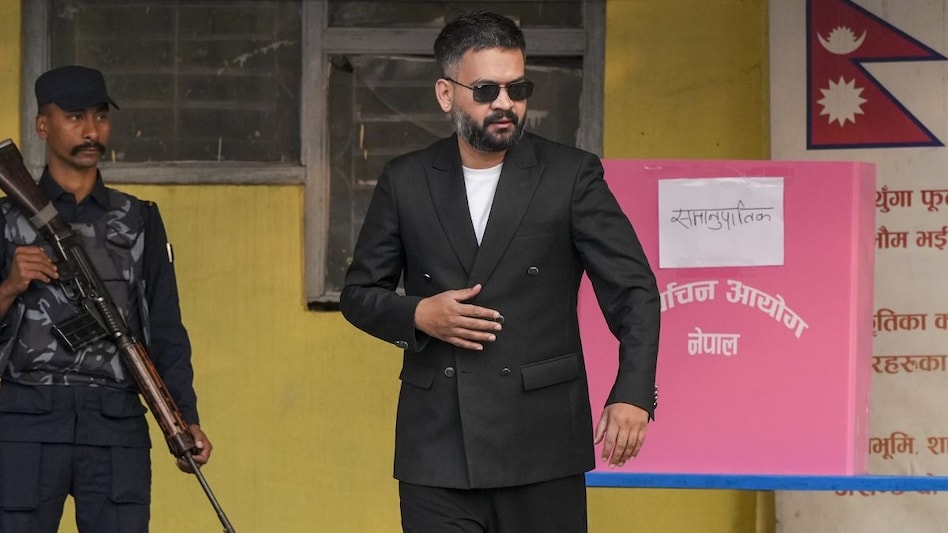
As vote counting begins in Nepal’s high-stakes general election, a new political figure has captured national attention: Balendra Shah. The 35-year-old rapper-turned-politician is emerging as one of the most talked-about challengers in the race and could potentially become the country’s youngest Prime Minister if the momentum behind his party continues.
Nepal’s election after political upheaval
Counting has begun for the 275-member House of Representatives of Nepal, the lower house of Parliament.
The vote is the first general election since the dramatic Gen Z-led protests on September 8 and 9 that forced the resignation of former Prime Minister KP Sharma Oli and led to the dissolution of Parliament.
The political landscape is now witnessing a strong challenge from a new force — the Rastriya Swatantra Party (RSP). Early counting reported by The Kathmandu Post shows the party leading in 62 seats, far ahead of traditional parties.
Oli’s Communist Party of Nepal (Unified Marxist-Leninist) (CPN-UML) was leading in five seats, while the Nepali Congress, led by Gagan Thapa, trailed in third place with leads in four.
Who is Balendra Shah?
Balendra Shah, widely known as “Balen”, first gained prominence as a rapper and youth icon before transitioning into politics. His sharp criticism of corruption, bureaucratic inefficiency, and entrenched political elites helped him build a large following among young voters.
Key facts about him:
- Age: 35
- Background: Rapper, engineer, and civic activist
- Political role: Leader of the Rastriya Swatantra Party
- Electoral battle: Directly contesting against KP Sharma Oli in Jhapa-5
Shah’s appeal lies in his outsider status. Much like the Gen Z protests that reshaped Nepal’s political scene, his campaign emphasizes generational change and the dismantling of traditional political networks.
Could he become Nepal’s youngest PM?
If the RSP manages to convert its early leads into a parliamentary majority or emerges as a decisive coalition partner, Balendra Shah could realistically stake a claim to lead the government.
At 35, he would become the youngest Prime Minister in Nepal’s modern political history.
However, several factors will determine that outcome:
- Whether the RSP maintains its lead across dozens of constituencies.
- Coalition negotiations in the fragmented parliamentary system.
- The performance of established parties like the Nepali Congress and Communist Party of Nepal (Unified Marxist-Leninist)
Even if Shah does not secure the premiership immediately, a strong showing could position him as the central figure of Nepal’s next political generation.
What is the Rastriya Swatantra Party?
The Rastriya Swatantra Party is a relatively new political force built around anti-corruption and governance reform.
Its core themes include:
- Anti-corruption and transparency
- Administrative reform and digital governance
- Greater youth participation in politics
- Economic modernisation
The party’s rapid rise reflects widespread dissatisfaction with Nepal’s traditional political establishment and the demand for new leadership after years of coalition instability.
Balendra Shah’s view towards India
Relations with India are a central issue in Nepali politics due to deep economic, cultural, and security ties. Balendra Shah has largely framed his approach around balanced and pragmatic diplomacy:
- Maintaining Nepal’s historic economic and people-to-people ties with India
- Seeking more equitable economic partnerships and infrastructure cooperation
- Advocating a balanced foreign policy that also engages other regional partners
Unlike some leaders who have adopted sharper nationalist rhetoric, Shah has generally emphasised pragmatism and economic cooperation, appealing to voters who want stability in cross-border trade, employment, and energy ties.
As vote counting begins in Nepal’s high-stakes general election, a new political figure has captured national attention: Balendra Shah. The 35-year-old rapper-turned-politician is emerging as one of the most talked-about challengers in the race and could potentially become the country’s youngest Prime Minister if the momentum behind his party continues.
Nepal’s election after political upheaval
Counting has begun for the 275-member House of Representatives of Nepal, the lower house of Parliament.
The vote is the first general election since the dramatic Gen Z-led protests on September 8 and 9 that forced the resignation of former Prime Minister KP Sharma Oli and led to the dissolution of Parliament.
The political landscape is now witnessing a strong challenge from a new force — the Rastriya Swatantra Party (RSP). Early counting reported by The Kathmandu Post shows the party leading in 62 seats, far ahead of traditional parties.
Oli’s Communist Party of Nepal (Unified Marxist-Leninist) (CPN-UML) was leading in five seats, while the Nepali Congress, led by Gagan Thapa, trailed in third place with leads in four.
Who is Balendra Shah?
Balendra Shah, widely known as “Balen”, first gained prominence as a rapper and youth icon before transitioning into politics. His sharp criticism of corruption, bureaucratic inefficiency, and entrenched political elites helped him build a large following among young voters.
Key facts about him:
- Age: 35
- Background: Rapper, engineer, and civic activist
- Political role: Leader of the Rastriya Swatantra Party
- Electoral battle: Directly contesting against KP Sharma Oli in Jhapa-5
Shah’s appeal lies in his outsider status. Much like the Gen Z protests that reshaped Nepal’s political scene, his campaign emphasizes generational change and the dismantling of traditional political networks.
Could he become Nepal’s youngest PM?
If the RSP manages to convert its early leads into a parliamentary majority or emerges as a decisive coalition partner, Balendra Shah could realistically stake a claim to lead the government.
At 35, he would become the youngest Prime Minister in Nepal’s modern political history.
However, several factors will determine that outcome:
- Whether the RSP maintains its lead across dozens of constituencies.
- Coalition negotiations in the fragmented parliamentary system.
- The performance of established parties like the Nepali Congress and Communist Party of Nepal (Unified Marxist-Leninist)
Even if Shah does not secure the premiership immediately, a strong showing could position him as the central figure of Nepal’s next political generation.
What is the Rastriya Swatantra Party?
The Rastriya Swatantra Party is a relatively new political force built around anti-corruption and governance reform.
Its core themes include:
- Anti-corruption and transparency
- Administrative reform and digital governance
- Greater youth participation in politics
- Economic modernisation
The party’s rapid rise reflects widespread dissatisfaction with Nepal’s traditional political establishment and the demand for new leadership after years of coalition instability.
Balendra Shah’s view towards India
Relations with India are a central issue in Nepali politics due to deep economic, cultural, and security ties. Balendra Shah has largely framed his approach around balanced and pragmatic diplomacy:
- Maintaining Nepal’s historic economic and people-to-people ties with India
- Seeking more equitable economic partnerships and infrastructure cooperation
- Advocating a balanced foreign policy that also engages other regional partners
Unlike some leaders who have adopted sharper nationalist rhetoric, Shah has generally emphasised pragmatism and economic cooperation, appealing to voters who want stability in cross-border trade, employment, and energy ties.