
Mayor Zohran Mamdani taps tech-slayer Lina Khan to reshape New York City’s economy
Khan built a national reputation during her tenure in the Biden administration, launching high-profile federal antitrust lawsuits against tech giants including Amazon, Meta, and Google. She previously served as a co-chair for Mamdani’s mayoral campaign.
- Jul 26, 2026,
- Updated Jul 26, 2026 4:04 PM IST
Standing inside the City Hall Rotunda, New York City Mayor Zohran Mamdani signaled a sharp realignment in how the city handles commercial growth, real estate, and municipal investment.
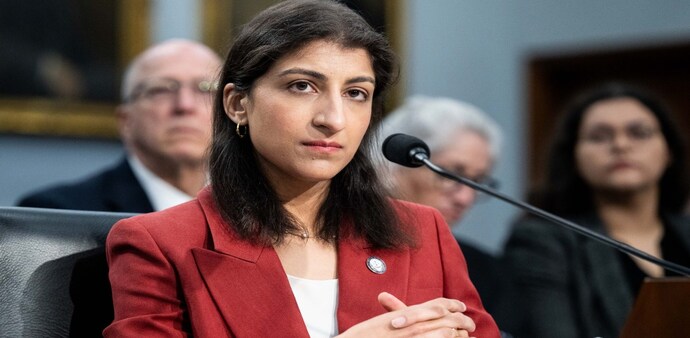
Mayor Mamdani has appointed former Federal Trade Commission (FTC) chair Lina Khan as Board Chair of the New York City Economic Development Corporation (EDC). Joining her at the helm is Anthony Shorris, a McKinsey partner and seasoned public servant, who will take over as EDC's president and CEO.
Mamdani framed the strategic pairing as a move to align corporate expansion across the five boroughs with a progressive focus on cost-of-living relief, calling the duo a “dream team.”
“Today's appointees not only share a vision for the future of this office, but a commitment, too, to executing on it. Economic development and economic justice must go hand in hand,” Mamdani said.
The EDC functions as a powerful nonprofit engine for municipal finance and infrastructure. It oversees city-owned real estate, manages major municipal developments, awards tax incentives, and steers private investment throughout New York City.
Khan built a national reputation during her tenure in the Biden administration, launching high-profile federal antitrust lawsuits against tech giants including Amazon, Meta, and Google. She previously served as a co-chair for Mamdani’s mayoral campaign.
Addressing her new role, Khan highlighted the agency's potential to deliver tangible benefits for working families.
“The EDC has key tools to drive projects that grow our economy, create good jobs, promote entrepreneurship, and make life more affordable for New Yorkers,” Khan said.
New York City often serves as a policy laboratory for urban centers across the US. Installing a high-profile federal regulator to oversee local development tests whether progressive economic regulation can successfully drive city-level economic growth without driving away private investment.
Standing inside the City Hall Rotunda, New York City Mayor Zohran Mamdani signaled a sharp realignment in how the city handles commercial growth, real estate, and municipal investment.
Mayor Mamdani has appointed former Federal Trade Commission (FTC) chair Lina Khan as Board Chair of the New York City Economic Development Corporation (EDC). Joining her at the helm is Anthony Shorris, a McKinsey partner and seasoned public servant, who will take over as EDC's president and CEO.
Mamdani framed the strategic pairing as a move to align corporate expansion across the five boroughs with a progressive focus on cost-of-living relief, calling the duo a “dream team.”
“Today's appointees not only share a vision for the future of this office, but a commitment, too, to executing on it. Economic development and economic justice must go hand in hand,” Mamdani said.
The EDC functions as a powerful nonprofit engine for municipal finance and infrastructure. It oversees city-owned real estate, manages major municipal developments, awards tax incentives, and steers private investment throughout New York City.
Khan built a national reputation during her tenure in the Biden administration, launching high-profile federal antitrust lawsuits against tech giants including Amazon, Meta, and Google. She previously served as a co-chair for Mamdani’s mayoral campaign.
Addressing her new role, Khan highlighted the agency's potential to deliver tangible benefits for working families.
“The EDC has key tools to drive projects that grow our economy, create good jobs, promote entrepreneurship, and make life more affordable for New Yorkers,” Khan said.
New York City often serves as a policy laboratory for urban centers across the US. Installing a high-profile federal regulator to oversee local development tests whether progressive economic regulation can successfully drive city-level economic growth without driving away private investment.