
Setback for Donald Trump: US judge orders White House to restore CNN, MS NOW, Politico access
A US judge ordered the White House to restore access for CNN, MS NOW and Politico journalists. The ruling put the administration’s media ban under constitutional scrutiny and revived the press freedom dispute.
- Sep 24, 2026,
- Updated Sep 24, 2026 11:48 AM IST
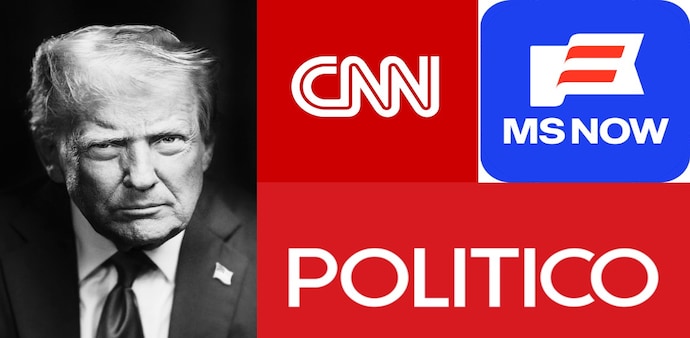
In a significant reprieve for three news organisations shut out of the White House, a US federal judge has ordered President Donald Trump’s administration to restore access for journalists from CNN, MS NOW and Politico, ruling that the ban was likely unconstitutional, Reuters reported.
US District Judge Timothy Kelly issued the order on Thursday in a lawsuit brought by the three media organisations after the White House revoked their access. The outlets argued that the decision violated their First Amendment protections and their right to due process. The ruling came days after Trump announced that CNN, MS NOW and Politico would be barred from the White House, accusing them of publishing what he described as “FICTION and LIES” about his administration.
Why Trump banned CNN, MS NOW and Politico
Trump announced the ban on September 18, saying the three outlets would not be allowed to “constantly write or report FICTION and LIES” while covering his presidency. Their journalists were then denied entry to the White House and their press credentials were deactivated.
The three organisations later sued Trump and senior White House officials in federal court, saying the administration had punished them because of their reporting, according to AP. In court, the Trump administration said the outlets had violated standards of professionalism and decorum and had published sensitive or classified information.
The US Justice Department also cited national security concerns and argued that access to the White House was a privilege rather than a constitutional right. CNN, MS NOW and Politico rejected that reasoning and said the ban was retaliation over their reporting. They cited the First Amendment, which protects freedom of speech and the press, along with Fifth Amendment due process protections.
Judge questions White House process
During Wednesday’s hearing, Kelly appeared sceptical of the administration’s position, CBS reported. He questioned whether the White House had followed the required process before revoking the journalists’ credentials.
"The record lacks factual support for defendants’ contention that the revocation of plaintiffs’ hard passes will in fact protect national security or that national security will be endangered if the court orders their passes reinstated while this litigation proceeds," he said, adding that Trump himself had stated the ban was due to "alleged lack of truthfulness and negativity" of the outlets' reporting.
The judge pointed to previous cases that established that journalists are entitled to notice and an opportunity to challenge the withdrawal of their White House access. The White House sent letters explaining its objections only after the journalists’ credentials had already been revoked.
Kelly was appointed to the federal bench by Trump during his first term. In 2018, he ordered the White House to restore CNN reporter Jim Acosta’s press credentials after the administration revoked them following a confrontation with Trump.
The 1977 precedent
The current case also draws on Sherrill v. Knight, a 1977 landmark case involving White House press access, according to the Reporters Committee for Freedom of the Press. The principle from that case is that while the White House does not have to make every facility or event available to every journalist, once access is opened to journalists, the government cannot selectively exclude reporters simply because of their viewpoint or without following proper procedures.
Trump-media standoff widens
Earlier this week, major television networks suspended coverage of the US President in solidarity with CNN after it was removed from the White House television pool. The five networks usually rotate responsibility for producing footage of presidential events and distribute that feed to other broadcasters and news organisations.
With no replacement pool in place, some presidential events were left without the usual shared television coverage. The disruption was particularly visible during Trump’s launch of a new White House helipad on Monday, when the White House livestream showed him speaking while helicopter noise repeatedly drowned out his remarks.
The White House also launched ‘Trump TV’, a 24-hour online streaming service carrying the US President’s administration videos, speeches and other material.
In a significant reprieve for three news organisations shut out of the White House, a US federal judge has ordered President Donald Trump’s administration to restore access for journalists from CNN, MS NOW and Politico, ruling that the ban was likely unconstitutional, Reuters reported.
US District Judge Timothy Kelly issued the order on Thursday in a lawsuit brought by the three media organisations after the White House revoked their access. The outlets argued that the decision violated their First Amendment protections and their right to due process. The ruling came days after Trump announced that CNN, MS NOW and Politico would be barred from the White House, accusing them of publishing what he described as “FICTION and LIES” about his administration.
Why Trump banned CNN, MS NOW and Politico
Trump announced the ban on September 18, saying the three outlets would not be allowed to “constantly write or report FICTION and LIES” while covering his presidency. Their journalists were then denied entry to the White House and their press credentials were deactivated.
The three organisations later sued Trump and senior White House officials in federal court, saying the administration had punished them because of their reporting, according to AP. In court, the Trump administration said the outlets had violated standards of professionalism and decorum and had published sensitive or classified information.
The US Justice Department also cited national security concerns and argued that access to the White House was a privilege rather than a constitutional right. CNN, MS NOW and Politico rejected that reasoning and said the ban was retaliation over their reporting. They cited the First Amendment, which protects freedom of speech and the press, along with Fifth Amendment due process protections.
Judge questions White House process
During Wednesday’s hearing, Kelly appeared sceptical of the administration’s position, CBS reported. He questioned whether the White House had followed the required process before revoking the journalists’ credentials.
"The record lacks factual support for defendants’ contention that the revocation of plaintiffs’ hard passes will in fact protect national security or that national security will be endangered if the court orders their passes reinstated while this litigation proceeds," he said, adding that Trump himself had stated the ban was due to "alleged lack of truthfulness and negativity" of the outlets' reporting.
The judge pointed to previous cases that established that journalists are entitled to notice and an opportunity to challenge the withdrawal of their White House access. The White House sent letters explaining its objections only after the journalists’ credentials had already been revoked.
Kelly was appointed to the federal bench by Trump during his first term. In 2018, he ordered the White House to restore CNN reporter Jim Acosta’s press credentials after the administration revoked them following a confrontation with Trump.
The 1977 precedent
The current case also draws on Sherrill v. Knight, a 1977 landmark case involving White House press access, according to the Reporters Committee for Freedom of the Press. The principle from that case is that while the White House does not have to make every facility or event available to every journalist, once access is opened to journalists, the government cannot selectively exclude reporters simply because of their viewpoint or without following proper procedures.
Trump-media standoff widens
Earlier this week, major television networks suspended coverage of the US President in solidarity with CNN after it was removed from the White House television pool. The five networks usually rotate responsibility for producing footage of presidential events and distribute that feed to other broadcasters and news organisations.
With no replacement pool in place, some presidential events were left without the usual shared television coverage. The disruption was particularly visible during Trump’s launch of a new White House helipad on Monday, when the White House livestream showed him speaking while helicopter noise repeatedly drowned out his remarks.
The White House also launched ‘Trump TV’, a 24-hour online streaming service carrying the US President’s administration videos, speeches and other material.