
Taliban seeks US investment and sanctions relief with $1trillion mineral wealth offer
The Taliban hopes greater diplomatic engagement will lead to sanctions being lifted and Afghan reserves held overseas being released.
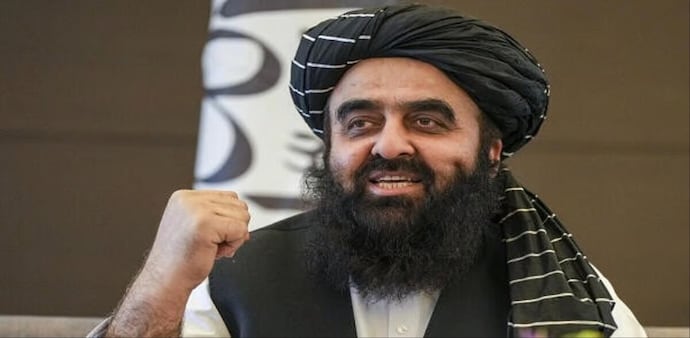
- Sep 1, 2026,
- Updated Sep 1, 2026 1:07 PM IST
Afghanistan’s Taliban rulers are offering the United States access to the country’s estimated $1trillion in mineral wealth as they seek US investment, sanctions relief and the release of frozen Afghan funds, according to a report by The Financial Times.
The move comes as the Taliban steps up diplomatic efforts five years after returning to power following the withdrawal of US-led Nato forces.
Taliban Foreign Minister Amir Khan Muttaqi said Afghanistan was ready to welcome US investment in mining, infrastructure, agriculture and trade.
“Relations between Afghanistan and the United States should not be assessed through the lens of the past 20 years of war, but rather on the basis of future co-operation,” Muttaqi told Financial Times.
“Our economic policy is open,” he said.
Don't Miss: Fresh round of layoffs coming at Oracle? Around 10K employees, Indians may be hit: Report
Muttaqi did not say whether the offer had been made directly to the White House.
US and western-backed Afghan geological surveys estimate that Afghanistan has at least $1trillion in mineral resources, including copper, iron ore, niobium, cobalt, gold and lithium. Much of the wealth remains undeveloped after decades of conflict.
Since 2021, the Taliban has announced more than $7 billion in mining investments with countries including China and Iran, covering gold, gemstones and chromite.
Sanctions remain a hurdle
Afghanistan remains one of the world’s poorest countries, with more than 14 million people, about a third of the population, facing acute hunger.
The Taliban has also imposed severe restrictions on women and girls in education, business and public life. Last year, the International Criminal Court issued an arrest warrant for Taliban leader Hibatullah Akhundzada over alleged gender-based persecution.
UN experts warned this month that there should be no moves to normalise the Taliban without measurable progress on human rights, particularly for women and girls.
Foreign diplomats said potential investors would also have to navigate UN and western sanctions targeting senior Taliban officials, including Muttaqi. They warned that increased financial flows could strengthen the Taliban and reduce pressure for policy changes.
Kabul seeks frozen funds
The Taliban hopes greater diplomatic engagement will lead to sanctions being lifted and Afghan reserves held overseas being released.
Muttaqi said sanctions “did not achieve their intended objectives” and called for the frozen funds to be returned.
Afghanistan’s central bank estimates that $9.5 billion of its reserves remain outside the country, including $7 billion in the US.
In 2022, Washington transferred $3.5 billion to a Switzerland-based “Afghan Fund”. The money is now worth more than $4 billion with interest and is intended to support financial stability without directly benefiting the Taliban.
“No individual, government or institution should use the assets of the Afghan people as a tool of political pressure,” Muttaqi said. He added that Kabul was discussing the funds with relevant governments.
Taliban expands foreign ties
Despite sanctions and concerns over its policies, the Taliban has begun to emerge from diplomatic isolation.
China, India, Iran, Qatar and several Central Asian countries have increased contact with Taliban officials or opened channels of communication.
Russia, which recognised the Taliban government last year, signed a military co-operation agreement with Afghanistan in May.
In June, the EU hosted Taliban officials in Brussels for the first time to discuss possible migrant returns. German officials have also proposed holding similar talks.
Must Read: Who is John Ternus? Meet the new Apple CEO taking over from Tim Cook
US ties remain uncertain
Washington remains more cautious about closer ties with the Taliban.
President Donald Trump has proposed returning Bagram air base, north of Kabul, to US control, but the Taliban has rejected the idea.
“All military and civilian facilities in Afghanistan, including Bagram, are national assets of Afghanistan,” Muttaqi said.
Muttaqi also urged Washington to reopen the US embassy in Kabul, which was abandoned after the Taliban takeover in 2021.
He said the Taliban had “ensured its security . . . rebuilt the road and planted new trees”. “The area now looks very vibrant and attractive,” Muttaqi said.
Afghanistan’s Taliban rulers are offering the United States access to the country’s estimated $1trillion in mineral wealth as they seek US investment, sanctions relief and the release of frozen Afghan funds, according to a report by The Financial Times.
The move comes as the Taliban steps up diplomatic efforts five years after returning to power following the withdrawal of US-led Nato forces.
Taliban Foreign Minister Amir Khan Muttaqi said Afghanistan was ready to welcome US investment in mining, infrastructure, agriculture and trade.
“Relations between Afghanistan and the United States should not be assessed through the lens of the past 20 years of war, but rather on the basis of future co-operation,” Muttaqi told Financial Times.
“Our economic policy is open,” he said.
Don't Miss: Fresh round of layoffs coming at Oracle? Around 10K employees, Indians may be hit: Report
Muttaqi did not say whether the offer had been made directly to the White House.
US and western-backed Afghan geological surveys estimate that Afghanistan has at least $1trillion in mineral resources, including copper, iron ore, niobium, cobalt, gold and lithium. Much of the wealth remains undeveloped after decades of conflict.
Since 2021, the Taliban has announced more than $7 billion in mining investments with countries including China and Iran, covering gold, gemstones and chromite.
Sanctions remain a hurdle
Afghanistan remains one of the world’s poorest countries, with more than 14 million people, about a third of the population, facing acute hunger.
The Taliban has also imposed severe restrictions on women and girls in education, business and public life. Last year, the International Criminal Court issued an arrest warrant for Taliban leader Hibatullah Akhundzada over alleged gender-based persecution.
UN experts warned this month that there should be no moves to normalise the Taliban without measurable progress on human rights, particularly for women and girls.
Foreign diplomats said potential investors would also have to navigate UN and western sanctions targeting senior Taliban officials, including Muttaqi. They warned that increased financial flows could strengthen the Taliban and reduce pressure for policy changes.
Kabul seeks frozen funds
The Taliban hopes greater diplomatic engagement will lead to sanctions being lifted and Afghan reserves held overseas being released.
Muttaqi said sanctions “did not achieve their intended objectives” and called for the frozen funds to be returned.
Afghanistan’s central bank estimates that $9.5 billion of its reserves remain outside the country, including $7 billion in the US.
In 2022, Washington transferred $3.5 billion to a Switzerland-based “Afghan Fund”. The money is now worth more than $4 billion with interest and is intended to support financial stability without directly benefiting the Taliban.
“No individual, government or institution should use the assets of the Afghan people as a tool of political pressure,” Muttaqi said. He added that Kabul was discussing the funds with relevant governments.
Taliban expands foreign ties
Despite sanctions and concerns over its policies, the Taliban has begun to emerge from diplomatic isolation.
China, India, Iran, Qatar and several Central Asian countries have increased contact with Taliban officials or opened channels of communication.
Russia, which recognised the Taliban government last year, signed a military co-operation agreement with Afghanistan in May.
In June, the EU hosted Taliban officials in Brussels for the first time to discuss possible migrant returns. German officials have also proposed holding similar talks.
Must Read: Who is John Ternus? Meet the new Apple CEO taking over from Tim Cook
US ties remain uncertain
Washington remains more cautious about closer ties with the Taliban.
President Donald Trump has proposed returning Bagram air base, north of Kabul, to US control, but the Taliban has rejected the idea.
“All military and civilian facilities in Afghanistan, including Bagram, are national assets of Afghanistan,” Muttaqi said.
Muttaqi also urged Washington to reopen the US embassy in Kabul, which was abandoned after the Taliban takeover in 2021.
He said the Taliban had “ensured its security . . . rebuilt the road and planted new trees”. “The area now looks very vibrant and attractive,” Muttaqi said.