
US pays out $100 billion in tariff refunds after Supreme Court struck down Trump's IEEPA duties
The refunds, including interest, have been processed through the federal customs system and transferred to the Treasury Department for distribution to affected parties. The total covers payments completed through the end of July
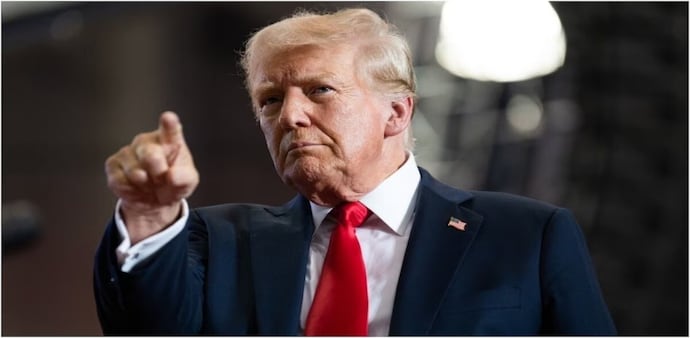
- Aug 6, 2026,
- Updated Aug 6, 2026 7:49 AM IST
More than $100 billion in tariff money has been returned to importers following the Supreme Court's decision earlier this year to strike down a significant portion of the duties Donald Trump had imposed on foreign goods. The figure, confirmed in a court filing by US customs officials, represents more than half of the roughly $166 billion in tariff collections that the court ruled were unlawfully collected.
The refunds, including interest, have been processed through the federal customs system and transferred to the Treasury Department for distribution to affected parties. The total covers payments completed through the end of July.
Why the tariffs were struck down
In a 6-3 ruling handed down on February 20, the Supreme Court found that Trump had overstepped his authority by invoking the International Emergency Economic Powers Act, a 1977 statute originally designed to address national security threats, to impose wide-ranging trade levies on imports from US trading partners. The majority concluded that the law simply did not give a president the power to unilaterally impose broad-based tariffs of the kind the administration had been enforcing.
Trump attacked the decision and the justices who delivered it. His administration then moved quickly to maintain its trade posture through other legal channels, introducing a temporary 10% duty under a separate mechanism and later expanding trade measures under Section 301 of the Trade Act of 1974, a law that has historically been used to push back against unfair commercial practices by foreign governments.
Who is getting the money, and why that matters politically
The refund process has generated its own controversy. The money is being returned to importers and businesses that paid the original duties, not to the consumers who effectively absorbed the higher costs through elevated prices on goods ranging from electronics to clothing.
Critics have been quick to seize on this. Democratic Congressman Greg Casar argued that ordinary Americans who paid more at the checkout counter should be the ones benefiting from the repayments, not the corporate entities that passed those costs on in the first place.
(With inputs from Reuters)
More than $100 billion in tariff money has been returned to importers following the Supreme Court's decision earlier this year to strike down a significant portion of the duties Donald Trump had imposed on foreign goods. The figure, confirmed in a court filing by US customs officials, represents more than half of the roughly $166 billion in tariff collections that the court ruled were unlawfully collected.
The refunds, including interest, have been processed through the federal customs system and transferred to the Treasury Department for distribution to affected parties. The total covers payments completed through the end of July.
Why the tariffs were struck down
In a 6-3 ruling handed down on February 20, the Supreme Court found that Trump had overstepped his authority by invoking the International Emergency Economic Powers Act, a 1977 statute originally designed to address national security threats, to impose wide-ranging trade levies on imports from US trading partners. The majority concluded that the law simply did not give a president the power to unilaterally impose broad-based tariffs of the kind the administration had been enforcing.
Trump attacked the decision and the justices who delivered it. His administration then moved quickly to maintain its trade posture through other legal channels, introducing a temporary 10% duty under a separate mechanism and later expanding trade measures under Section 301 of the Trade Act of 1974, a law that has historically been used to push back against unfair commercial practices by foreign governments.
Who is getting the money, and why that matters politically
The refund process has generated its own controversy. The money is being returned to importers and businesses that paid the original duties, not to the consumers who effectively absorbed the higher costs through elevated prices on goods ranging from electronics to clothing.
Critics have been quick to seize on this. Democratic Congressman Greg Casar argued that ordinary Americans who paid more at the checkout counter should be the ones benefiting from the repayments, not the corporate entities that passed those costs on in the first place.
(With inputs from Reuters)