
BT Explainer: Why Tata Motors PV is turning to JLR’s China partner Chery for Avinya EV
After evaluating technologies across the Tata group, JLR and Chery, Tata Motors Passenger Vehicles concluded that Chery’s Freelander platform provided the level of technical sophistication required for Avinya
- Jun 26, 2026,
- Updated Jun 29, 2026 8:41 PM IST
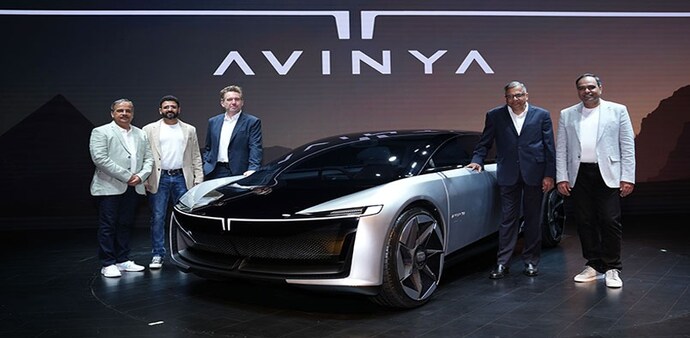
Tata Motors Passenger Vehicles’ entry-luxury electric vehicle brand Avinya will use the Freelander platform derived from Jaguar Land Rover’s Chinese joint venture partner Chery.
After evaluating Tata Motors PV Group ecosystem including JLR and its partners to identify the best platform for Avinya, Tata Motors Passenger Vehicles concluded that Chery’s Freelander platform provided the level of technical sophistication required for Avinya.
“The Cherry-JLR partnership has been strong, and when we were exploring Avinya, our first entry into the luxury electric vehicle segment, we wanted to be sure on the technical maturity, the level of tech which was required was of different level, and therefore we had started working with JLR on that, especially on the Freelander platform, and for that we were exploring platforms, you know, within JLR, Cherry, and us. And eventually we froze on the Freelander platform, which was being taken forward by Cherry,” Tata Motors Passenger Vehicles managing director and CEO Shailesh Chandra said while explaining the rationale behind choosing the Freelander platform for Avinya at the automaker’s Investor Day 2026 on June 23.
Avinya is slated to be a global passenger vehicle brand, extending Tata Motors Passenger Vehicles’ presence in the “near luxury segment” as well.
While the underlying architecture of Avinya comes from the JLR-Chery collaboration, the vehicle itself will not simply be a rebadged product.
Tata Motors Passenger Vehicles will work on design, vehicle integration, localisation of components, and manufacturing, tailoring the platform to create a product suited to its own brand and customers.
“The design aspect of it, or for example, the vehicle integration, the localization, manufacturing, and all is something which we will be doing ourselves, so it's a combination done in a manner that brings out the best of best to deliver a product which is delivering on the value proposition that we want to deliver with Avinya, which is stunning design with a significant road presence, indulgent premium cabin experience and tech, which aligns with what is expected in the luxury segment, and most importantly, with high degree of maturity. So that's why we have taken that route, which is basically through JLR. We have made progress on the Freelander underpinning,” explained Chandra.
Tata Motors Passenger Vehicles and its British subsidiary JLR are building strong synergies to compete globally. Both Tata Motors Passenger Vehicles and JLR are expected to benefit from Agratas, the Tata group’s battery venture. They also plan to derive synergies from the supply ecosystem to optimise costs.
As Tata Motors PV scales up its international presence, JLR’s retailer relationships and know-how globally are expected to play a critical role in enabling Avinya’s growth.
Tata Motors Passenger Vehicles’ entry-luxury electric vehicle brand Avinya will use the Freelander platform derived from Jaguar Land Rover’s Chinese joint venture partner Chery.
After evaluating Tata Motors PV Group ecosystem including JLR and its partners to identify the best platform for Avinya, Tata Motors Passenger Vehicles concluded that Chery’s Freelander platform provided the level of technical sophistication required for Avinya.
“The Cherry-JLR partnership has been strong, and when we were exploring Avinya, our first entry into the luxury electric vehicle segment, we wanted to be sure on the technical maturity, the level of tech which was required was of different level, and therefore we had started working with JLR on that, especially on the Freelander platform, and for that we were exploring platforms, you know, within JLR, Cherry, and us. And eventually we froze on the Freelander platform, which was being taken forward by Cherry,” Tata Motors Passenger Vehicles managing director and CEO Shailesh Chandra said while explaining the rationale behind choosing the Freelander platform for Avinya at the automaker’s Investor Day 2026 on June 23.
Avinya is slated to be a global passenger vehicle brand, extending Tata Motors Passenger Vehicles’ presence in the “near luxury segment” as well.
While the underlying architecture of Avinya comes from the JLR-Chery collaboration, the vehicle itself will not simply be a rebadged product.
Tata Motors Passenger Vehicles will work on design, vehicle integration, localisation of components, and manufacturing, tailoring the platform to create a product suited to its own brand and customers.
“The design aspect of it, or for example, the vehicle integration, the localization, manufacturing, and all is something which we will be doing ourselves, so it's a combination done in a manner that brings out the best of best to deliver a product which is delivering on the value proposition that we want to deliver with Avinya, which is stunning design with a significant road presence, indulgent premium cabin experience and tech, which aligns with what is expected in the luxury segment, and most importantly, with high degree of maturity. So that's why we have taken that route, which is basically through JLR. We have made progress on the Freelander underpinning,” explained Chandra.
Tata Motors Passenger Vehicles and its British subsidiary JLR are building strong synergies to compete globally. Both Tata Motors Passenger Vehicles and JLR are expected to benefit from Agratas, the Tata group’s battery venture. They also plan to derive synergies from the supply ecosystem to optimise costs.
As Tata Motors PV scales up its international presence, JLR’s retailer relationships and know-how globally are expected to play a critical role in enabling Avinya’s growth.