
CNG, hybrids and EVs reshape India's car market: What August sales reveal
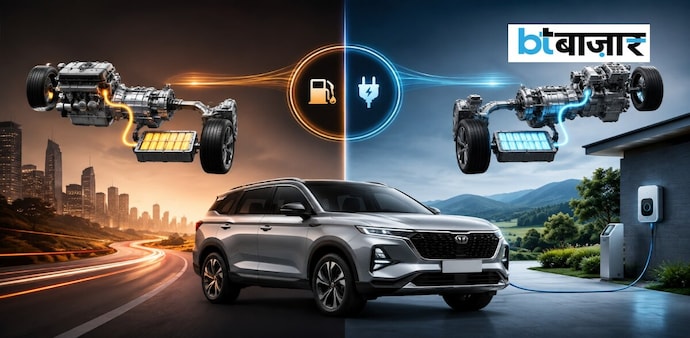
Petrol's share of passenger-vehicle sales fell to a record low of 41% in August, from 46% a year earlier. The decline reflects the growing appeal of alternative powertrains, particularly CNG and electric vehicles.
- Sep 5, 2026,
- Updated Sep 5, 2026 9:07 PM IST
India’s passenger-vehicle market is undergoing a clear shift in consumer preference, with buyers increasingly moving beyond conventional petrol cars. In August, CNG, hybrid and electric vehicles together accounted for 42% of retail passenger-vehicle sales, overtaking petrol-powered cars for the first time.
The shift comes even as overall demand remains strong. Passenger-vehicle retail sales rose 16% year-on-year to around 4.01 lakh units in August, indicating that changing powertrain preferences have not weakened the broader market.
Petrol loses ground as alternatives gain
Petrol's share of passenger-vehicle sales fell to a record-low 41% in August, from 46% a year earlier. The decline reflects the growing appeal of alternative powertrains, particularly CNG and electric vehicles.
According to the Equirus Securities report, CNG recorded its highest-ever share at 25%, up from 21% in August last year. Its growing presence is being supported by wider availability of CNG models and continued consumer demand for an alternative to petrol.
Maruti Suzuki remained the dominant player in the CNG passenger-vehicle segment, with around 71% market share. Tata Motors followed with 17%, while Hyundai accounted for 9%.
Diesel vehicles, meanwhile, contributed around 17% of passenger-vehicle retail sales in August.
MUST READ: Kia launches Sorento at ₹28 lakh; targets 30% EV, hybrid sales by 2030
EV adoption continues despite easing from July peak
Electric cars also strengthened their position in the market. EV sales jumped 52% year-on-year to around 30,700 units, taking their penetration to 7.7%, compared with 5.9% a year earlier.
While August’s penetration was below July’s record 8.1%, the month still ranked as the third-best on record for electric-car sales, according to the Equirus Securities report.
Tata Motors recovered its share of the electric-car market to around 43%, its strongest level since December 2025. The recovery highlights the increasingly competitive nature of India’s EV market as new models enter the segment.
Delhi recorded the country’s highest EV penetration at around 19%. However, registrations associated with an all-electric taxi fleet boosted the headline figure. Excluding this effect, underlying penetration was estimated at around 12-14%, according to Autocar Pro.
ALSO READ: Royal Enfield Himalayan 440 launched at Rs 2.29 lakh with 443cc engine, 6-speed gearbox
Consumer priorities are changing
Analysts cited several factors behind the changing powertrain mix, including consumer concerns surrounding the transition to E20 fuel, improving charging infrastructure and the growing availability of electric and hybrid models.
The Equirus Securities report suggests that the transition is not being driven by EVs alone. CNG and hybrids are also capturing a meaningful share of demand, giving consumers more alternatives to conventional petrol vehicles.
The trend extends beyond passenger cars. Electric three-wheelers crossed 65% penetration in August, while electric buses recorded their highest-ever monthly sales.
Together, these trends point to a gradual diversification of India’s automobile market, where petrol is no longer the default choice and consumers are increasingly weighing cost, technology and fuel options while choosing their vehicles.
DO READ: New Maruti Suzuki Baleno launched at Rs 6.09 lakh, gets Level 2 ADAS and ventilated seats
India’s passenger-vehicle market is undergoing a clear shift in consumer preference, with buyers increasingly moving beyond conventional petrol cars. In August, CNG, hybrid and electric vehicles together accounted for 42% of retail passenger-vehicle sales, overtaking petrol-powered cars for the first time.
The shift comes even as overall demand remains strong. Passenger-vehicle retail sales rose 16% year-on-year to around 4.01 lakh units in August, indicating that changing powertrain preferences have not weakened the broader market.
Petrol loses ground as alternatives gain
Petrol's share of passenger-vehicle sales fell to a record-low 41% in August, from 46% a year earlier. The decline reflects the growing appeal of alternative powertrains, particularly CNG and electric vehicles.
According to the Equirus Securities report, CNG recorded its highest-ever share at 25%, up from 21% in August last year. Its growing presence is being supported by wider availability of CNG models and continued consumer demand for an alternative to petrol.
Maruti Suzuki remained the dominant player in the CNG passenger-vehicle segment, with around 71% market share. Tata Motors followed with 17%, while Hyundai accounted for 9%.
Diesel vehicles, meanwhile, contributed around 17% of passenger-vehicle retail sales in August.
MUST READ: Kia launches Sorento at ₹28 lakh; targets 30% EV, hybrid sales by 2030
EV adoption continues despite easing from July peak
Electric cars also strengthened their position in the market. EV sales jumped 52% year-on-year to around 30,700 units, taking their penetration to 7.7%, compared with 5.9% a year earlier.
While August’s penetration was below July’s record 8.1%, the month still ranked as the third-best on record for electric-car sales, according to the Equirus Securities report.
Tata Motors recovered its share of the electric-car market to around 43%, its strongest level since December 2025. The recovery highlights the increasingly competitive nature of India’s EV market as new models enter the segment.
Delhi recorded the country’s highest EV penetration at around 19%. However, registrations associated with an all-electric taxi fleet boosted the headline figure. Excluding this effect, underlying penetration was estimated at around 12-14%, according to Autocar Pro.
ALSO READ: Royal Enfield Himalayan 440 launched at Rs 2.29 lakh with 443cc engine, 6-speed gearbox
Consumer priorities are changing
Analysts cited several factors behind the changing powertrain mix, including consumer concerns surrounding the transition to E20 fuel, improving charging infrastructure and the growing availability of electric and hybrid models.
The Equirus Securities report suggests that the transition is not being driven by EVs alone. CNG and hybrids are also capturing a meaningful share of demand, giving consumers more alternatives to conventional petrol vehicles.
The trend extends beyond passenger cars. Electric three-wheelers crossed 65% penetration in August, while electric buses recorded their highest-ever monthly sales.
Together, these trends point to a gradual diversification of India’s automobile market, where petrol is no longer the default choice and consumers are increasingly weighing cost, technology and fuel options while choosing their vehicles.
DO READ: New Maruti Suzuki Baleno launched at Rs 6.09 lakh, gets Level 2 ADAS and ventilated seats