
Drive easy! Govt may extend driving licence validity till age of 50; online services planned
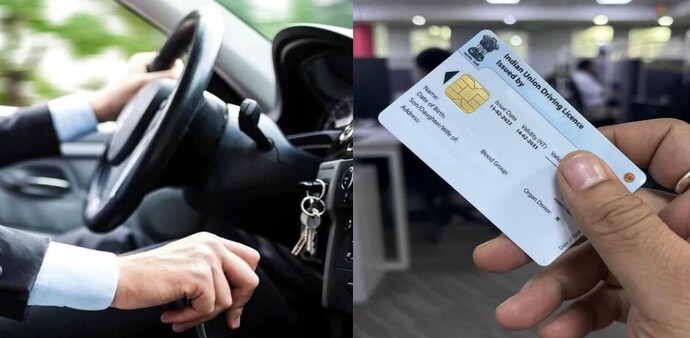
Indian motorists may soon get a major convenience boost, with the government considering extending the validity of driving licences till the age of 50. The Centre is also planning to make vehicle ownership transfers and permit renewals fully online to reduce paperwork and RTO visits.
- Jun 9, 2026,
- Updated Jun 9, 2026 2:37 PM IST
Millions of driving licence holders in India could soon get relief from the hassle of frequent renewals, as the Centre is considering extending the validity of driving licences till the age of 50. The proposal is part of a broader push to simplify transport-related services and improve ease of living.
According to officials in the Ministry of Road Transport and Highways (MoRTH), the government is examining a proposal to increase the validity period of driving licences from the current 20 years to the age of 50. While discussions are underway, no final decision has been taken yet.
At present, driving licences remain valid for 20 years, after which holders are required to renew them and, in certain cases, submit medical certificates and other documents. If approved, the proposed change would significantly reduce the need for repeated visits to Regional Transport Offices (RTOs) and ease the compliance burden for millions of motorists.
Officials indicated that the move is aimed at making citizen services simpler and more convenient. Alongside the proposal on licence validity, the ministry is also working to make vehicle ownership transfers and permit renewals completely online.
The planned digitisation is expected to eliminate paperwork and reduce the need for people to physically visit transport offices for routine services. Fees related to obtaining or renewing licences and permits would continue to be collected digitally, ensuring that state governments do not face any major revenue loss.
Some states have reportedly expressed concerns that fewer renewals could lead to lower revenues. However, officials maintained that online fee collection mechanisms would ensure that existing revenue streams remain largely unaffected.
The government is also looking at strengthening enforcement against traffic violators. Officials said a system of assigning negative points for traffic offences and linking them to suspension or cancellation of driving licences could help regulate habitual offenders more effectively.
“Once a system is in place to give negative points to drivers for violations and link it to suspension or cancellation of their licences, bad drivers will be reined in,” an official said.
The ministry has not specified any timeline for implementing the proposed changes and emphasised that discussions are still at a preliminary stage. However, if approved, the measures could mark one of the biggest reforms in driver licensing and transport services, making routine processes faster, simpler and largely paperless for citizens.
Millions of driving licence holders in India could soon get relief from the hassle of frequent renewals, as the Centre is considering extending the validity of driving licences till the age of 50. The proposal is part of a broader push to simplify transport-related services and improve ease of living.
According to officials in the Ministry of Road Transport and Highways (MoRTH), the government is examining a proposal to increase the validity period of driving licences from the current 20 years to the age of 50. While discussions are underway, no final decision has been taken yet.
At present, driving licences remain valid for 20 years, after which holders are required to renew them and, in certain cases, submit medical certificates and other documents. If approved, the proposed change would significantly reduce the need for repeated visits to Regional Transport Offices (RTOs) and ease the compliance burden for millions of motorists.
Officials indicated that the move is aimed at making citizen services simpler and more convenient. Alongside the proposal on licence validity, the ministry is also working to make vehicle ownership transfers and permit renewals completely online.
The planned digitisation is expected to eliminate paperwork and reduce the need for people to physically visit transport offices for routine services. Fees related to obtaining or renewing licences and permits would continue to be collected digitally, ensuring that state governments do not face any major revenue loss.
Some states have reportedly expressed concerns that fewer renewals could lead to lower revenues. However, officials maintained that online fee collection mechanisms would ensure that existing revenue streams remain largely unaffected.
The government is also looking at strengthening enforcement against traffic violators. Officials said a system of assigning negative points for traffic offences and linking them to suspension or cancellation of driving licences could help regulate habitual offenders more effectively.
“Once a system is in place to give negative points to drivers for violations and link it to suspension or cancellation of their licences, bad drivers will be reined in,” an official said.
The ministry has not specified any timeline for implementing the proposed changes and emphasised that discussions are still at a preliminary stage. However, if approved, the measures could mark one of the biggest reforms in driver licensing and transport services, making routine processes faster, simpler and largely paperless for citizens.