
E20, E30 fuel concerns may keep 43% of buyers away from new vehicles: Survey
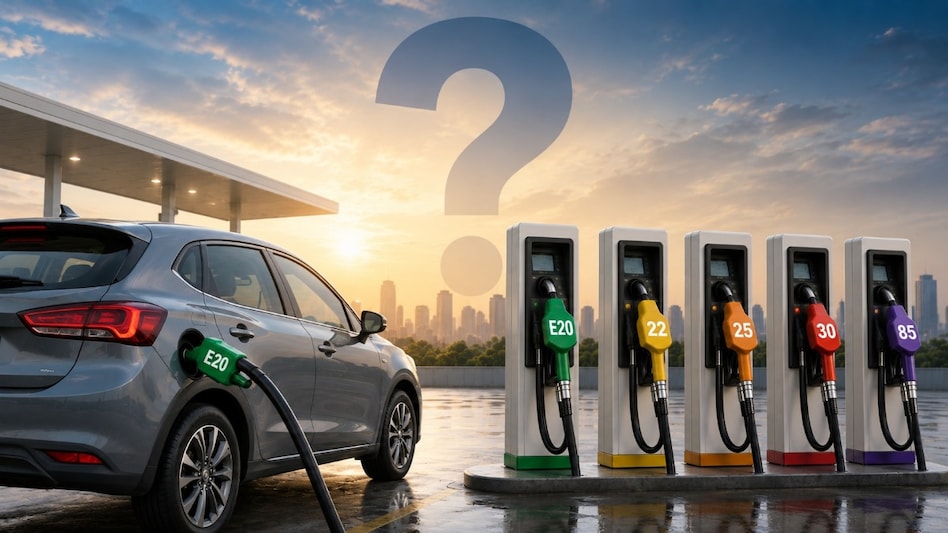
The nationwide rollout of E20 petrol in April 2025 and the government's move to notify standards for higher ethanol blends, including E22, E25, E27 and E30, have raised concerns among consumers over the long-term compatibility of their vehicles.
- Jun 10, 2026,
- Updated Jun 10, 2026 5:48 PM IST
Concerns surrounding ethanol-blended fuel are beginning to influence consumer sentiment in India's automobile market, with 43% of prospective buyers saying they may defer or avoid purchasing a vehicle over the next 12 months due to uncertainty over E20 petrol and the proposed transition to E30 fuel, according to a LocalCircles survey.
The survey, which gathered responses from more than 28,000 prospective vehicle buyers across 311 districts, suggests that fuel policy uncertainty is evolving from a vehicle ownership issue into a vehicle purchase issue.
Concerns over ethanol-blended fuel are beginning to influence buying decisions in India's automobile market, with 43% of prospective vehicle buyers saying they may defer or avoid purchasing a vehicle over the next 12 months due to uncertainty surrounding E20 petrol and the proposed transition to E30 fuel blends.
According to a survey conducted by community platform LocalCircles, apprehensions over fuel efficiency, vehicle compatibility and higher maintenance costs are emerging as key factors behind the reluctance among buyers. The survey gathered responses from more than 28,000 prospective vehicle buyers across 311 districts in India.
Fuel policy concerns
The findings come despite the Indian automobile market witnessing robust growth. Vehicle retail sales touched a record 25.31 lakh units in May 2026, while passenger vehicle registrations crossed four lakh units for the first time, according to Federation of Automobile Dealers Associations (FADA) data.
However, the nationwide rollout of E20 petrol in April 2025 and the government's move to notify standards for higher ethanol blends, including E22, E25, E27 and E30, have raised concerns among consumers over the long-term compatibility of their vehicles.
The Ministry of Petroleum and Natural Gas has already mandated a minimum Research Octane Number (RON) of 95 for E20 petrol sold from April 1, 2026, while the Automotive Research Association of India (ARAI) has been tasked with studying the impact of E25 fuel on engine life and fuel efficiency.
New petrol vehicle
The survey found that 43% of respondents are not planning to buy a new vehicle because they are uncertain about the fuel roadmap. Another 30% said they currently have no need for a vehicle, while 12% remained undecided.
Only 6% of prospective buyers said they plan to purchase a new petrol vehicle in the next 12 months.
In comparison, electric and hybrid vehicles are attracting significantly greater interest. Seven percent of respondents said they intend to buy a new electric vehicle, while another 7% plan to purchase a hybrid vehicle. Combined, 14% of respondents are considering EVs or hybrids—more than twice the proportion opting for petrol vehicles.
EVs and hybrids
The changing preferences highlighted by the survey mirror broader trends in the automobile industry.
Electric vehicles accounted for more than 11% of total vehicle retail sales in May 2026, with electric cars reaching a record 7% share of passenger vehicle sales. EV sales crossed 2.45 million units in FY2026, registering 25% year-on-year growth, while hybrid vehicle sales more than doubled during the first quarter of FY2026.
The survey noted that buyers are increasingly turning to electric and hybrid vehicles to hedge against fuel costs and uncertainty surrounding future fuel policies.
Existing vehicle owners
Consumer hesitation appears to be rooted in the experiences of current vehicle owners.
A separate LocalCircles survey involving more than 50,000 respondents found that five out of 10 petrol vehicle owners reported a decline of more than 10% in fuel efficiency since early 2025. Three in 10 respondents said they had experienced higher wear and tear or increased repair requirements involving engines, fuel pumps, injectors and other components.
Owners of older vehicles purchased before 2023 reported additional expenses ranging from ₹5,000 to ₹25,000 due to reduced mileage and increased maintenance costs. Many indicated they would prefer the availability of lower-ethanol fuel options such as E0 or E10.
E30 Roadmap
According to LocalCircles, the findings suggest that fuel-policy uncertainty has moved from being a vehicle ownership issue to a vehicle purchase issue.
The report recommended that the government publish transparent, long-term testing data on the impact of higher ethanol blends, clearly communicate the timeline for E30 implementation and mandate the display of blend information at fuel stations. It also called on automakers to certify the E30 compatibility of new vehicles.
The survey warned that unless consumers receive greater clarity on the future fuel roadmap, uncertainty could weigh on demand in an automobile market that has otherwise been posting record sales.
E20 and E30 fuels
E20 fuel is a blend containing 20% ethanol and 80% petrol. It has been mandated across India as part of the government's efforts to reduce crude oil imports and lower emissions, and is now available at most fuel stations.
E30 fuel, meanwhile, consists of 30% ethanol and 70% petrol. The blend is being considered as part of India's long-term push for energy independence and cleaner transportation.
Concerns surrounding ethanol-blended fuel are beginning to influence consumer sentiment in India's automobile market, with 43% of prospective buyers saying they may defer or avoid purchasing a vehicle over the next 12 months due to uncertainty over E20 petrol and the proposed transition to E30 fuel, according to a LocalCircles survey.
The survey, which gathered responses from more than 28,000 prospective vehicle buyers across 311 districts, suggests that fuel policy uncertainty is evolving from a vehicle ownership issue into a vehicle purchase issue.
Concerns over ethanol-blended fuel are beginning to influence buying decisions in India's automobile market, with 43% of prospective vehicle buyers saying they may defer or avoid purchasing a vehicle over the next 12 months due to uncertainty surrounding E20 petrol and the proposed transition to E30 fuel blends.
According to a survey conducted by community platform LocalCircles, apprehensions over fuel efficiency, vehicle compatibility and higher maintenance costs are emerging as key factors behind the reluctance among buyers. The survey gathered responses from more than 28,000 prospective vehicle buyers across 311 districts in India.
Fuel policy concerns
The findings come despite the Indian automobile market witnessing robust growth. Vehicle retail sales touched a record 25.31 lakh units in May 2026, while passenger vehicle registrations crossed four lakh units for the first time, according to Federation of Automobile Dealers Associations (FADA) data.
However, the nationwide rollout of E20 petrol in April 2025 and the government's move to notify standards for higher ethanol blends, including E22, E25, E27 and E30, have raised concerns among consumers over the long-term compatibility of their vehicles.
The Ministry of Petroleum and Natural Gas has already mandated a minimum Research Octane Number (RON) of 95 for E20 petrol sold from April 1, 2026, while the Automotive Research Association of India (ARAI) has been tasked with studying the impact of E25 fuel on engine life and fuel efficiency.
New petrol vehicle
The survey found that 43% of respondents are not planning to buy a new vehicle because they are uncertain about the fuel roadmap. Another 30% said they currently have no need for a vehicle, while 12% remained undecided.
Only 6% of prospective buyers said they plan to purchase a new petrol vehicle in the next 12 months.
In comparison, electric and hybrid vehicles are attracting significantly greater interest. Seven percent of respondents said they intend to buy a new electric vehicle, while another 7% plan to purchase a hybrid vehicle. Combined, 14% of respondents are considering EVs or hybrids—more than twice the proportion opting for petrol vehicles.
EVs and hybrids
The changing preferences highlighted by the survey mirror broader trends in the automobile industry.
Electric vehicles accounted for more than 11% of total vehicle retail sales in May 2026, with electric cars reaching a record 7% share of passenger vehicle sales. EV sales crossed 2.45 million units in FY2026, registering 25% year-on-year growth, while hybrid vehicle sales more than doubled during the first quarter of FY2026.
The survey noted that buyers are increasingly turning to electric and hybrid vehicles to hedge against fuel costs and uncertainty surrounding future fuel policies.
Existing vehicle owners
Consumer hesitation appears to be rooted in the experiences of current vehicle owners.
A separate LocalCircles survey involving more than 50,000 respondents found that five out of 10 petrol vehicle owners reported a decline of more than 10% in fuel efficiency since early 2025. Three in 10 respondents said they had experienced higher wear and tear or increased repair requirements involving engines, fuel pumps, injectors and other components.
Owners of older vehicles purchased before 2023 reported additional expenses ranging from ₹5,000 to ₹25,000 due to reduced mileage and increased maintenance costs. Many indicated they would prefer the availability of lower-ethanol fuel options such as E0 or E10.
E30 Roadmap
According to LocalCircles, the findings suggest that fuel-policy uncertainty has moved from being a vehicle ownership issue to a vehicle purchase issue.
The report recommended that the government publish transparent, long-term testing data on the impact of higher ethanol blends, clearly communicate the timeline for E30 implementation and mandate the display of blend information at fuel stations. It also called on automakers to certify the E30 compatibility of new vehicles.
The survey warned that unless consumers receive greater clarity on the future fuel roadmap, uncertainty could weigh on demand in an automobile market that has otherwise been posting record sales.
E20 and E30 fuels
E20 fuel is a blend containing 20% ethanol and 80% petrol. It has been mandated across India as part of the government's efforts to reduce crude oil imports and lower emissions, and is now available at most fuel stations.
E30 fuel, meanwhile, consists of 30% ethanol and 70% petrol. The blend is being considered as part of India's long-term push for energy independence and cleaner transportation.