
Why Meru Cabs shifted its focus to ride-sharing, car-pooling
The radio taxi operator has also shifted its focus to new segments like ride sharing, car pooling and plans to introduce inter-city ride sharing services in popular routes like Delhi-Chandigarh, Delhi-Meerut etc.
- Mar 18, 2016,
- Updated Mar 19, 2016 11:56 AM IST
Founded in 2007, Meru was a leader in India's taxi service market for quite a while until the aggregators like Ola and Uber took the market by storm and consumers started shifting to convenient way of booking cars via apps.
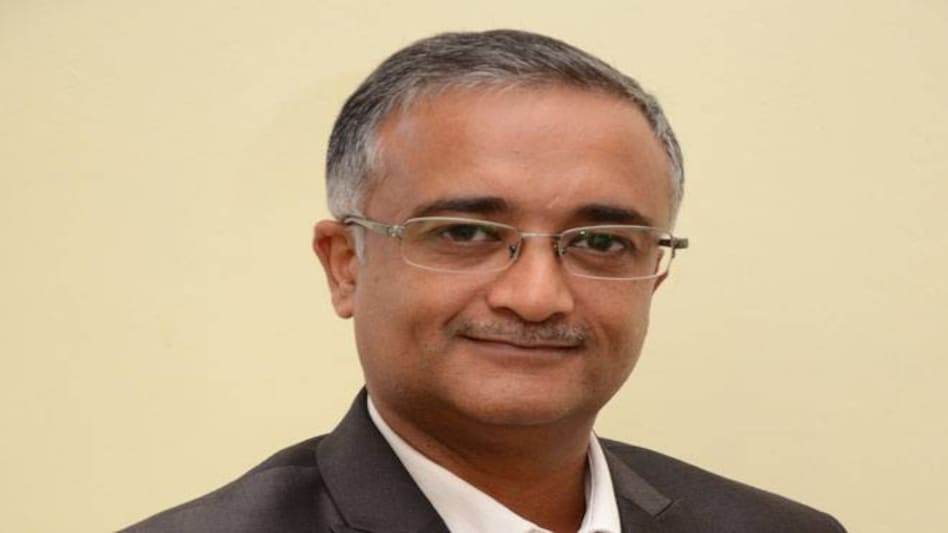
The tussle for the lead position in this segment is still on in India between Ola and Uber, and Meru seems to have taken a back seat now. But Meru CEO Siddhartha Pahwa seems quite unperturbed by these developments.
"We lost our No. 1 position in the category, but we are not too worried about it. It's not about who is No. 1 and 2, it is about getting more consumers in the category and ensuring that customer base and driver base continue to grow, and we see that happening," Pahwa says.
"The taxi market in India is estimated to be at $15 billion, out of which only $1 billion is organised. By 2022, we expect the $15-billion market to grow to $30 billion and the organised sector would be roughly about $7-8 billion. Even if we have 25 per cent share of that market, we are talking about $1.5 billion business for us."
The radio taxi operator has also shifted its focus to new segments like ride sharing, car pooling and plans to introduce inter-city ride sharing services in popular routes like Delhi-Chandigarh, Delhi-Meerut etc.
"Sectors like Delhi-Chandigarh, Delhi Jaipur, Delhi Shimla, Delhi-Merut etc. are very attractive sectors and Meru will provide service on them in future. We are developing this product and hopefully by April-May we will be able to launch it," Pahwa told Business Today.
The company started its ride sharing service earlier this year and Pahwa says it is seeing good response from consumers.
"The next phase for Meru is going to be of sharing economy. Technology is completely going to take over in the coming years and make everything a sharing economy, which will help the utilisation of assets and bring down the cost per km and per person significantly. That's something we are going to focus on in the next four to five years," Pahwa says, adding that the company has been growing at a CAGR of 35 per cent over last nine years and broke even last quarter.
The company suffered a loss of over Rs 3 crore in FY15.
Founded in 2007, Meru was a leader in India's taxi service market for quite a while until the aggregators like Ola and Uber took the market by storm and consumers started shifting to convenient way of booking cars via apps.
The tussle for the lead position in this segment is still on in India between Ola and Uber, and Meru seems to have taken a back seat now. But Meru CEO Siddhartha Pahwa seems quite unperturbed by these developments.
"We lost our No. 1 position in the category, but we are not too worried about it. It's not about who is No. 1 and 2, it is about getting more consumers in the category and ensuring that customer base and driver base continue to grow, and we see that happening," Pahwa says.
"The taxi market in India is estimated to be at $15 billion, out of which only $1 billion is organised. By 2022, we expect the $15-billion market to grow to $30 billion and the organised sector would be roughly about $7-8 billion. Even if we have 25 per cent share of that market, we are talking about $1.5 billion business for us."
The radio taxi operator has also shifted its focus to new segments like ride sharing, car pooling and plans to introduce inter-city ride sharing services in popular routes like Delhi-Chandigarh, Delhi-Meerut etc.
"Sectors like Delhi-Chandigarh, Delhi Jaipur, Delhi Shimla, Delhi-Merut etc. are very attractive sectors and Meru will provide service on them in future. We are developing this product and hopefully by April-May we will be able to launch it," Pahwa told Business Today.
The company started its ride sharing service earlier this year and Pahwa says it is seeing good response from consumers.
"The next phase for Meru is going to be of sharing economy. Technology is completely going to take over in the coming years and make everything a sharing economy, which will help the utilisation of assets and bring down the cost per km and per person significantly. That's something we are going to focus on in the next four to five years," Pahwa says, adding that the company has been growing at a CAGR of 35 per cent over last nine years and broke even last quarter.
The company suffered a loss of over Rs 3 crore in FY15.