
Several states have now given some concessions to hybrids: RC Bhargava
His statement comes after Uttar Pradesh waived off registration tax on hybrid vehicles in July
- Aug 27, 2024,
- Updated Aug 27, 2024 3:24 PM IST
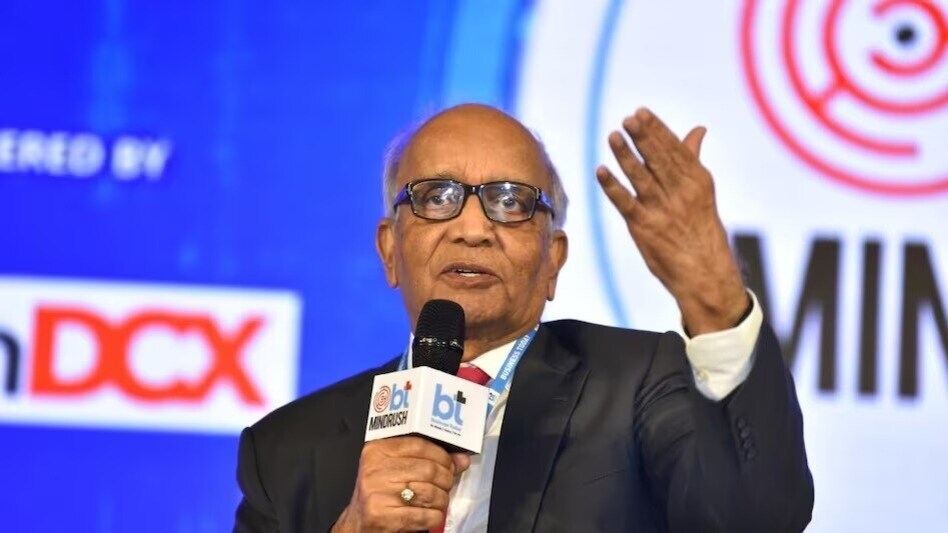
Apart from Uttar Pradesh, several states have now given some concession to hybrid vehicles, Maruti Suzuki Chairman RC Bhargava said in the 43rd annual general meeting (AGM) on Tuesday.
His statement comes after the government of Uttar Pradesh waived off registration tax on hybrid vehicles in July. At present, Maruti Suzuki, Toyota, and Honda Motors have hybrid technology in the domestic market.
“We have seen that several states, not only UP, have now given some form of concession to hybrids. And I think this trend is being recognised that encouraging only one technology (electric vehicles), is not the right answer for India, and that in our growing market and the large number of types of customers, there is a requirement of different technologies, and we will continue to follow that strategy,” says Bhargava.
In line with the government’s electrification target, automobile manufacturers are racing towards introducing EV models in their portfolio. Maruti Suzuki will be introducing its first EV model by early next year. The company plans to introduce six EV models by FY30. Bhargava observes that the number of EV models in Maruti Suzuki’s portfolio will continue to be less than that of ICE models in the next few years. The company plans to export its EV models to Europe and Japan.
In order for the cost of the EVs to be in par with ICE vehicles, Bhargava observes that the battery technology needs to be substantially improved for the cost of EVs to come down.
“The fact of the matter is that battery technology is required to be subtly improved if the cost can come down, batteries cost roughly 40% of the cost of an EV and as you know, at the moment, there’s no battery manufacturing in India. The bulk of the batteries are coming in China. So that is a bigger problem in the EVs,” says Bhargava.
According to Bhargava, while EVs must grow, other newer technologies need to be introduced in order to reduce carbon emissions.
“While EVs have to grow the remaining vehicles, which are petrol and diesel, they have also to change to newer technologies so that the total emission load in the country comes down. And whether it’s hybrid or CNG, or whether it’s biogas or whether it’s heat, not all of these technologies will help convert petrol and diesel cars into cleaner weights, so that is required,” says Bhargava.
Meanwhile, the company plans to increase its exports to 7.5 -8 lakh by FY31.
Apart from Uttar Pradesh, several states have now given some concession to hybrid vehicles, Maruti Suzuki Chairman RC Bhargava said in the 43rd annual general meeting (AGM) on Tuesday.
His statement comes after the government of Uttar Pradesh waived off registration tax on hybrid vehicles in July. At present, Maruti Suzuki, Toyota, and Honda Motors have hybrid technology in the domestic market.
“We have seen that several states, not only UP, have now given some form of concession to hybrids. And I think this trend is being recognised that encouraging only one technology (electric vehicles), is not the right answer for India, and that in our growing market and the large number of types of customers, there is a requirement of different technologies, and we will continue to follow that strategy,” says Bhargava.
In line with the government’s electrification target, automobile manufacturers are racing towards introducing EV models in their portfolio. Maruti Suzuki will be introducing its first EV model by early next year. The company plans to introduce six EV models by FY30. Bhargava observes that the number of EV models in Maruti Suzuki’s portfolio will continue to be less than that of ICE models in the next few years. The company plans to export its EV models to Europe and Japan.
In order for the cost of the EVs to be in par with ICE vehicles, Bhargava observes that the battery technology needs to be substantially improved for the cost of EVs to come down.
“The fact of the matter is that battery technology is required to be subtly improved if the cost can come down, batteries cost roughly 40% of the cost of an EV and as you know, at the moment, there’s no battery manufacturing in India. The bulk of the batteries are coming in China. So that is a bigger problem in the EVs,” says Bhargava.
According to Bhargava, while EVs must grow, other newer technologies need to be introduced in order to reduce carbon emissions.
“While EVs have to grow the remaining vehicles, which are petrol and diesel, they have also to change to newer technologies so that the total emission load in the country comes down. And whether it’s hybrid or CNG, or whether it’s biogas or whether it’s heat, not all of these technologies will help convert petrol and diesel cars into cleaner weights, so that is required,” says Bhargava.
Meanwhile, the company plans to increase its exports to 7.5 -8 lakh by FY31.