
MSP hike likely to push inflation rates, farm income, say experts
MSP hike likely to push inflation rates, farm income, say experts
BusinessToday.In
- Jul 6, 2018,
- Updated Jul 6, 2018 6:37 PM IST

- 1/10
The government has increased the Minimum Support Price (MSP) for kharif crops for the 2018-19 season. Let's analyse how generous is this move to woo farmers.
- 2/10
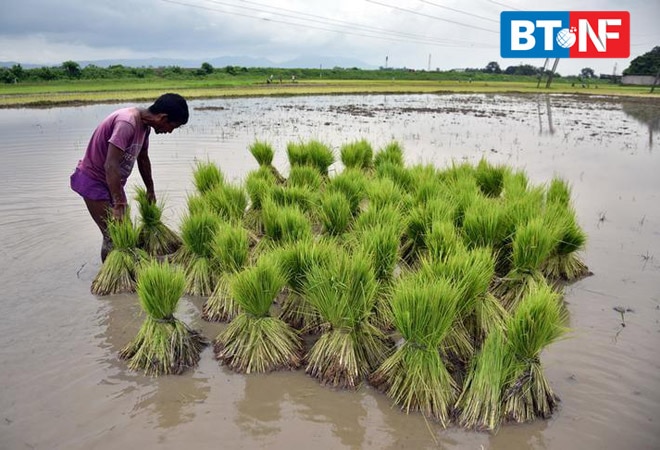
The government has hiked the Minimum Support Price (MSP) by up to 52 per cent for various crops planted in the kharif season, including paddy, coarse grains, pulses, oilseeds and cotton. Usually, MSP is announced just before the start of the sowing season. The recent move comes close on the heels of state elections in Rajasthan, Madhya Pradesh and Chhattisgarh, the major coarse grain producing states, and the 2019 General Elections.
- 3/10
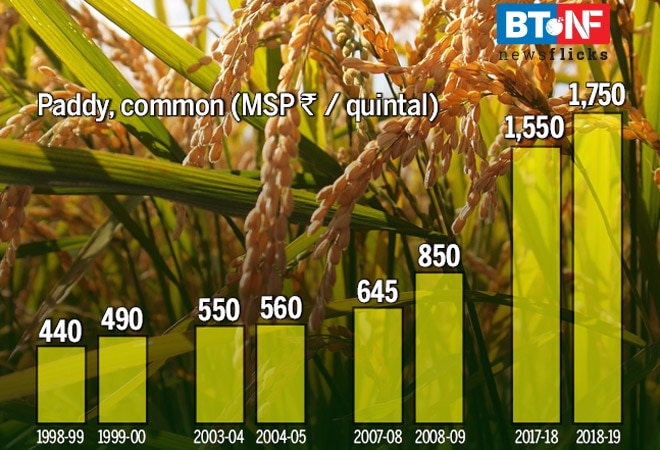
MSP is a price at which the government buys crops from farmers, irrespective of its price. Paddy is the main crop planted by the farmers in the kharif season and is procured by the government in large quantity. Rs 200 per quintal increase in its (Paddy, common) MSP is, however, a tad lower than the 2008/09 election year, the highest ever increase in MSP (excluding bonus) in an election year.

- 4/10
The MSPs effectively matter for and cover only a few crops and that too in a few regions. Punjab, Haryana and Western UP account for most of the purchases of paddy. The approved hikes for 15 crops is expected to cost the exchequer about Rs 15,000 crore.
- 5/10
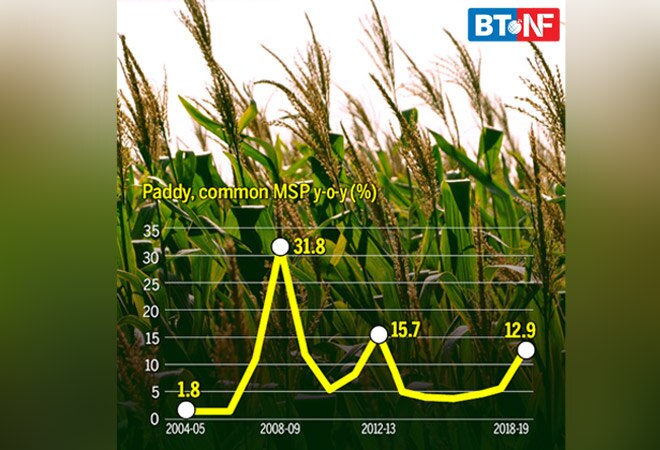
The proposed hike in paddy MSP is again not the steepest, as far as the last 15 years are concerned. It was in fact the third highest over this period; the highest was again in the election year of 2008/09.
- 6/10
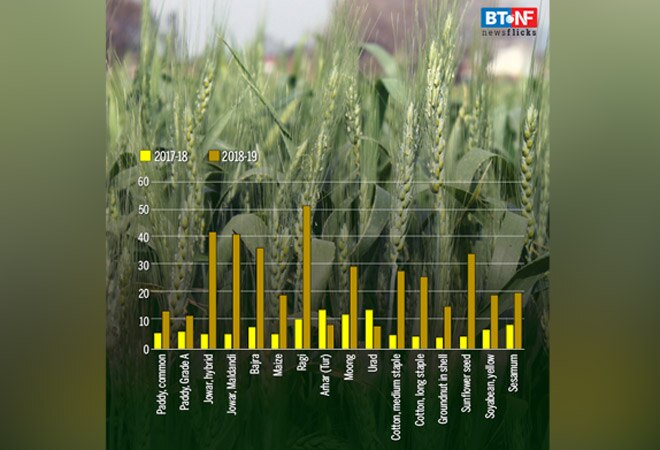
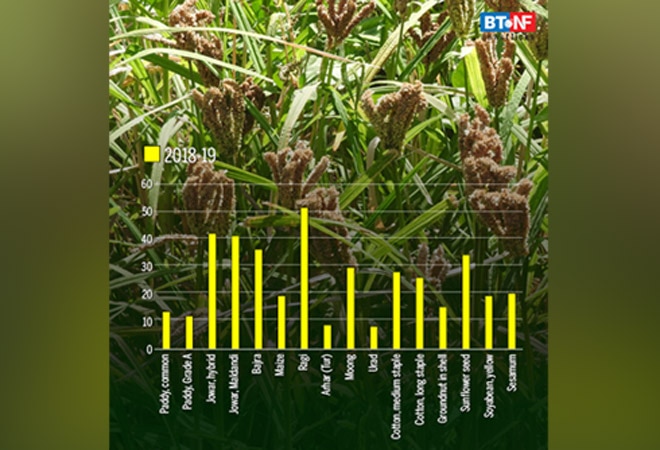
The MSP increase in all the major Kharif crops was more than the hike announced in the 2017/18 kharif season except for two pulses, Arhar and Urad.
- 7/10
The highest percentage increase in MSP over the previous year is for ragi (52.47 per cent) followed by jowar hybrid (42.94 per cent).
- 8/10
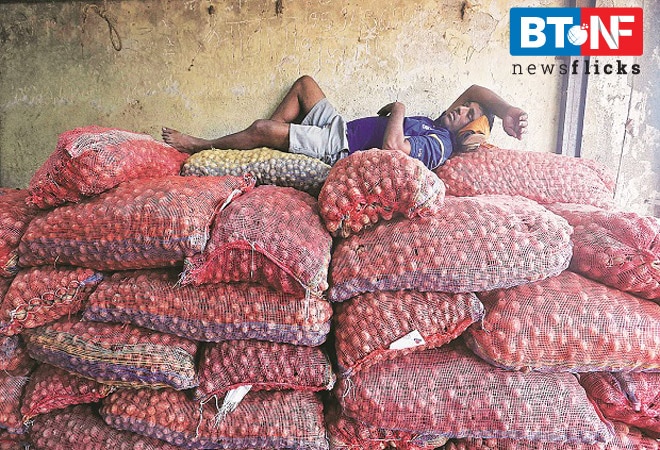
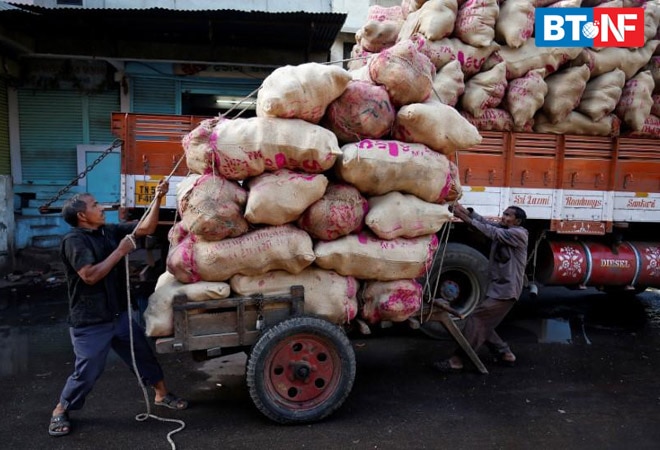
Lack of storage has been a big issue for the government and farmers. State agencies bought only 71 million tonnes of wheat and rice in 2017/18 out of 210 million tonnes produced.In the same year, the country produced hundreds of millions of tonnes of oilseeds and horticulture crops like onion and potatoes, which are not typically procured by the government.The Food ministry informed parliament in March that the peak storage demand for food grains like rice and wheat was 60 million tonnes for the central pool, compared with a capacity of 73.5 million tonnes, 17 per cent of which was open storage covered by plastic or other material.
- 9/10
Implementation of MSP would lead to an increase in the market price of produce and could potentially lead to some inflationary impact. Experts feel this could lead to wholesale inflation rise by 38 bps year-on-year and retail inflation by 70 bps. Core inflation has been moving up steadily, as the economy gathers steam. The higher MSPs will add fuel to simmering inflationary fires.
Although the impact on inflation could be lower if agricultural production is stronger than expected, coupled with the forecast of favourable monsoon this year.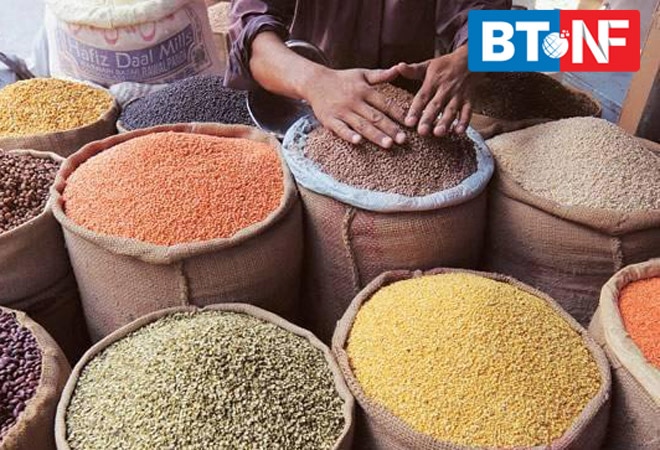
- 10/10
If implemented successfully, the move stands to bring in much awaited relief for farmers and help the government in reaching its goal of doubling farm income by 2022. The real challenge is the actual on ground implementation. Many crops across states have been selling substantially below the MSP rate. In nominal terms, as the MSP gets implemented, the positive impact on the rural income should be Rs 1.2 lakh crore.