
No Veto for RBI Governor
"All questions which come up before any meeting of the monetary policy committee shall be decided by a majority of votes by the members present and voting, and in the event of an equality of votes , the Governor shall have a second or casting vote," states the Union Budget 2016/17.
- Feb 29, 2016,
- Updated Feb 29, 2016 7:50 PM IST
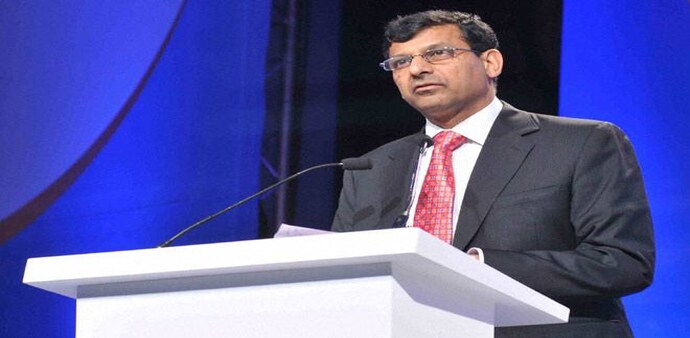
The RBI Governor Raghuram Rajan will not enjoy any veto power in the new monetary policy framework , but will have a second or casting vote in case of a tie amongst the members.
"All questions which come up before any meeting of the monetary policy committee shall be decided by a majority of votes by the members present and voting, and in the event of an equality of votes , the Governor shall have a second or casting vote," states the Union Budget 2016/17.
This has been a major departure from the current system where the Governor decides the interest rate direction in the economy. In the last 3-4 years ,there has been discord between the government and the RBI over the interest rate movement. The government often push for interest rate cuts in the economy to spur growth , whereas RBI is concerned over the inflation. Broadly, the RBI's mandates over the years has been to keep inflation stable and low for supporting long term growth in the economy.
The current RBI Governor Rajan is also seems to be in favor of a collective decision making than the Governor alone taking the responsibility of interest rates. As part of the new monetary policy framework, there is also an accountability factor in case of a failure to maintain inflation target. The RBI has to file a report to Central Government giving the reasons for failure , remedial actions and an estimate of the time period within which the inflation target will be achieved.
FULL COVERAGE: Union Budget 2016
In his budget , the finance minister Arun Jaitley has announced the finer details of new monetary policy framework agreed between the RBI and the government. There will be six members in the monetary policy committee - three from RBI and three would be nominated by the government. The three RBI members would be Governor , Deputy Governor and executive director. The remaining three members would be appointed by the central government on the recommendations made by a six member search committee comprising of RBI Governor, cabinet secretary , Secretary ( Department of company affairs) and three experts in the field of economics or banking etc.
RBI Governor will also not have much say in the six member search committee as he is just a member and not chairperson of this search committee. Cabinet Secretary will be the chairperson of the search committee.
The RBI Governor Raghuram Rajan will not enjoy any veto power in the new monetary policy framework , but will have a second or casting vote in case of a tie amongst the members.
"All questions which come up before any meeting of the monetary policy committee shall be decided by a majority of votes by the members present and voting, and in the event of an equality of votes , the Governor shall have a second or casting vote," states the Union Budget 2016/17.
This has been a major departure from the current system where the Governor decides the interest rate direction in the economy. In the last 3-4 years ,there has been discord between the government and the RBI over the interest rate movement. The government often push for interest rate cuts in the economy to spur growth , whereas RBI is concerned over the inflation. Broadly, the RBI's mandates over the years has been to keep inflation stable and low for supporting long term growth in the economy.
The current RBI Governor Rajan is also seems to be in favor of a collective decision making than the Governor alone taking the responsibility of interest rates. As part of the new monetary policy framework, there is also an accountability factor in case of a failure to maintain inflation target. The RBI has to file a report to Central Government giving the reasons for failure , remedial actions and an estimate of the time period within which the inflation target will be achieved.
FULL COVERAGE: Union Budget 2016
In his budget , the finance minister Arun Jaitley has announced the finer details of new monetary policy framework agreed between the RBI and the government. There will be six members in the monetary policy committee - three from RBI and three would be nominated by the government. The three RBI members would be Governor , Deputy Governor and executive director. The remaining three members would be appointed by the central government on the recommendations made by a six member search committee comprising of RBI Governor, cabinet secretary , Secretary ( Department of company affairs) and three experts in the field of economics or banking etc.
RBI Governor will also not have much say in the six member search committee as he is just a member and not chairperson of this search committee. Cabinet Secretary will be the chairperson of the search committee.