
Budget 2017: The disappointments and misses
The budget 2017-18 has been praised for higher spending in rural and infrastructure, but there are also disappointments in certain areas. Here are the four areas where the budget disappointed.
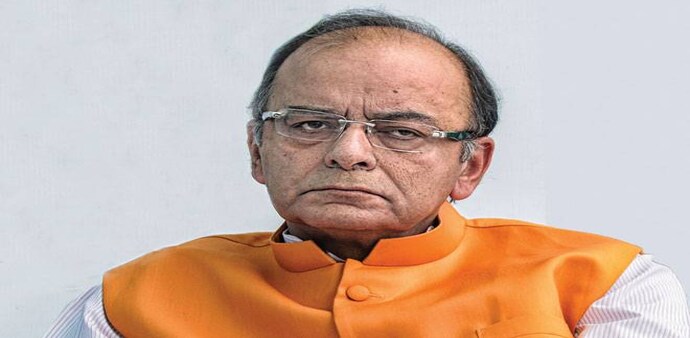
- Feb 1, 2017,
- Updated Feb 1, 2017 6:23 PM IST
The budget 2017-18 has been praised for higher spending in rural and infrastructure, but there are also disappointments in certain areas. Here are the four areas where the budget disappointed.
a) No push for corporate investments: The private sector has been facing distress post the global financial meltdown of 2008. The over-leveraged corporate sector was expecting Finance Minister Arun Jaitley to reduce the corporate tax in the current budget as promised a gradual reduction to 25 per cent last year. The corporate tax rate is as high as 30 per cent. This was something corporate sector was expecting as developed world , too, is on the path of reducing high corporate tax. In US , the President Donald Trump has promised to reduce the tax rate from a high of 39 per cent. UK, too, is talking about reducing tax rates.
b) Missing the 3.0 per cent fiscal deficit target: The finance minister has slightly deviated from the fiscal deficit target of 3 per cent for 2017-18 as per the Fiscal Management Responsibility Act ( FMR). The budget has set 3.2 per cent as the target. Given the next general election in 2019 and global headwinds ( like strong dollar , higher interest rare and higher commodity prices ), the finance minister had the best time to stick to 3 per cent target.
c) Bank recapitalization: The budget disappoints the public sector banks (PSBs) which controls two third the baking in India in terms of deposits and advances. In India, banks are the dominant players providing resources to corporate sector where bond market lack the depth and players. The Rs 10,000 crore allocated is less than last year's allocation of around Rs 25,000 crore. Given the challenges facing banks especially lower profitability and deteriorating asset quality, the PSBs were expecting higher capital infusion.
d) Resolution of bad assets: The Indian economy is facing a big problem of resolution of bad assets. The new tools like ARCs, SDR and S4A haven't made any headway. ARCs have bought aggressively, but struggling to resolve assets. In fact, they also have limited capital to buy more. The strategic debt restructuring (SDR) has been a complete non starter because of valuation differences with new buyers. The S4A ( scheme for sustainable structuring of stressed assets ) has made some beginning, but banks are reluctant to take a haircut. Many expected budget to announce new ideas to tackle stress, but there were none.
The budget 2017-18 has been praised for higher spending in rural and infrastructure, but there are also disappointments in certain areas. Here are the four areas where the budget disappointed.
a) No push for corporate investments: The private sector has been facing distress post the global financial meltdown of 2008. The over-leveraged corporate sector was expecting Finance Minister Arun Jaitley to reduce the corporate tax in the current budget as promised a gradual reduction to 25 per cent last year. The corporate tax rate is as high as 30 per cent. This was something corporate sector was expecting as developed world , too, is on the path of reducing high corporate tax. In US , the President Donald Trump has promised to reduce the tax rate from a high of 39 per cent. UK, too, is talking about reducing tax rates.
b) Missing the 3.0 per cent fiscal deficit target: The finance minister has slightly deviated from the fiscal deficit target of 3 per cent for 2017-18 as per the Fiscal Management Responsibility Act ( FMR). The budget has set 3.2 per cent as the target. Given the next general election in 2019 and global headwinds ( like strong dollar , higher interest rare and higher commodity prices ), the finance minister had the best time to stick to 3 per cent target.
c) Bank recapitalization: The budget disappoints the public sector banks (PSBs) which controls two third the baking in India in terms of deposits and advances. In India, banks are the dominant players providing resources to corporate sector where bond market lack the depth and players. The Rs 10,000 crore allocated is less than last year's allocation of around Rs 25,000 crore. Given the challenges facing banks especially lower profitability and deteriorating asset quality, the PSBs were expecting higher capital infusion.
d) Resolution of bad assets: The Indian economy is facing a big problem of resolution of bad assets. The new tools like ARCs, SDR and S4A haven't made any headway. ARCs have bought aggressively, but struggling to resolve assets. In fact, they also have limited capital to buy more. The strategic debt restructuring (SDR) has been a complete non starter because of valuation differences with new buyers. The S4A ( scheme for sustainable structuring of stressed assets ) has made some beginning, but banks are reluctant to take a haircut. Many expected budget to announce new ideas to tackle stress, but there were none.