
Here are some fun facts about the budget you may not know
Here are some fun facts about the budget you may not know
BusinessToday.In
- Jan 17, 2019,
- Updated Jan 23, 2019 12:37 PM IST
- 1/9
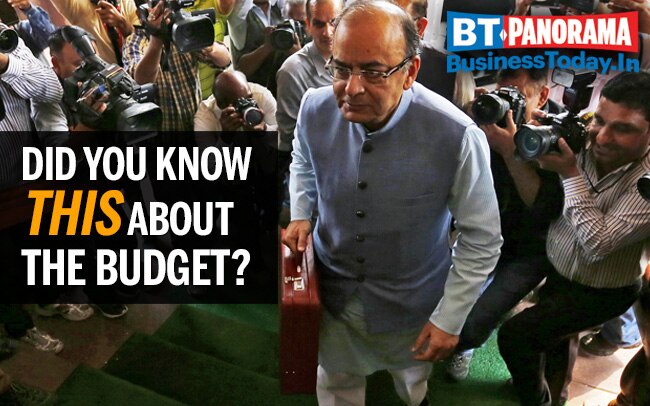
Here are some fun facts you may not know about the budget and its presentation in India
- 2/9
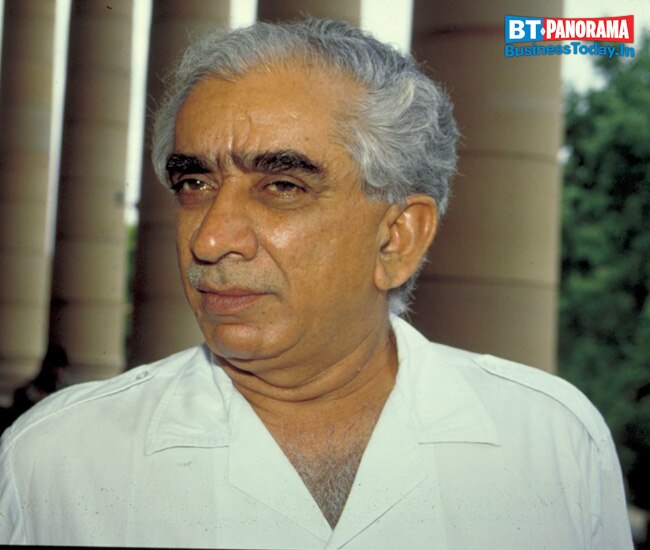
Longest speechIn 2003, Finance minister Jaswant Singh took more than 2 hours to deliver his budget speech setting a record for the longest speech ever. He clocked 2 hours and 13 mins. But if we go by the number of words used in the speech Dr Manmohan Singh has used the maximum number of words 18,650, for the momentous budget that ushered in the economic reforms in 1991.Current finance minister Arun Jaitley is the one with the second-longest budget speeches on average. His 2014 budget speech lasted 2 hours and 10 minutes. With the passing of each year, the budget speech has gained prominence with the speeches getting longer and wordier.
- 3/9
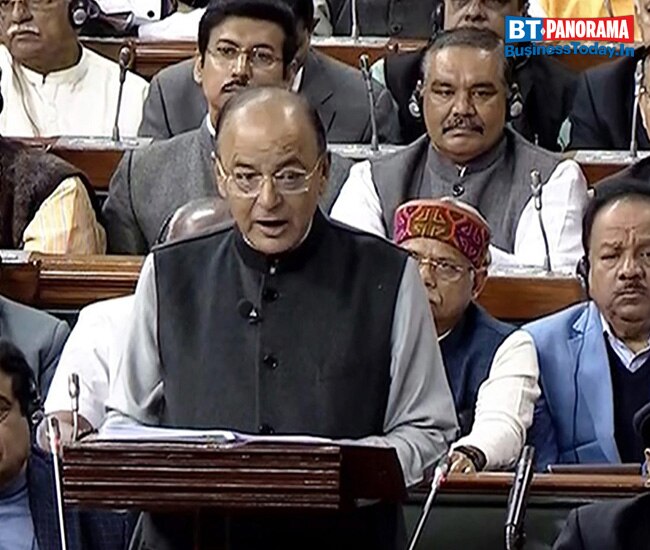
Rail budget and general budget combinedTill 2016, the Railway Budget was presented a few days before the Union budget but in 2016 this tradition was broken by the NDA. On September 21, 2016 Modi government approved the merger of the Rail and General budgets. Finance minister Arun Jaitley became the first finance minister to present a combined budget breaking down a 92-year old tradition. This was according to the budgetary reforms introduced by the government. It was a British-era practice that had to be phased out. The practice was started by the British in 1924 when the GDP of the country depended on the railway revenue.
- 4/9
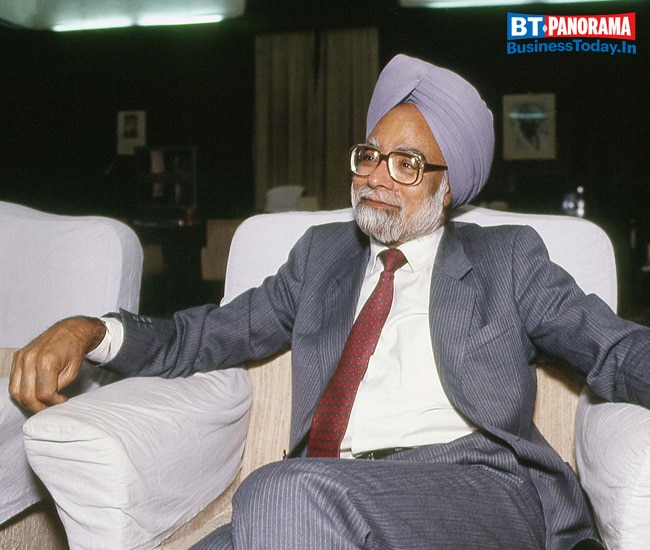
The most important budget Dr Manmohan Singh's first budget in 1991 became historic as he rolled out a series of structural reforms, opening up the country's economy for the first time ever. It reduced peak customs from 220 percent to 150 percent. He reduced the import duty from 300 per cent to 50 per cent. It brought about the expansion of the services sector, increased consumer choices and helped in reducing poverty too. It was Prime Minister Narasimha Rao and finance minister Dr Manmohan Singh introduced a new era in India and pulled the country out of darkness.
- 5/9
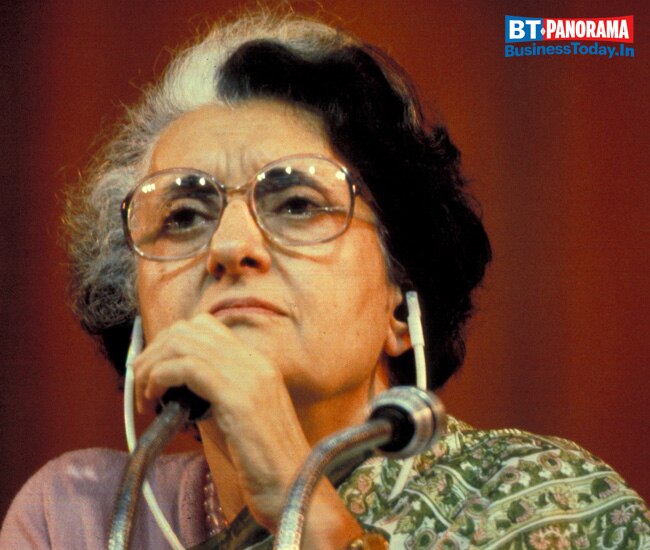
Only woman to present the Union Budget of IndiaFormer Prime Minister Indira Gandhi has been the only woman till date to have presented the Union Budget of India in 1970-71. She took over the finance portfolio after Morarji Desai resigned as the finance minister. The 70-71 budget was based on the slogan 'garibi hatao'. Anti-poverty programmes were rolled out. She stated in her now famous budget speech saying, "It is necessary to devise policies which reconcile the imperatives of growth with concern for the well-being of the needy and the poor."
- 6/9
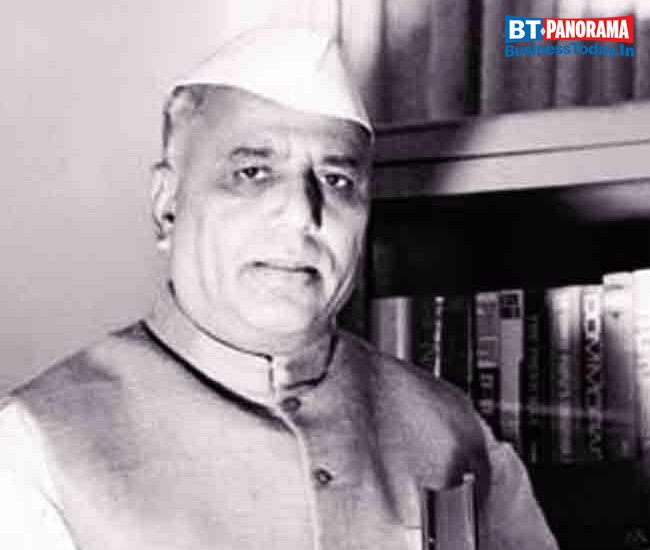
Black budgetThe budget of 1973-74 is also known as the 'Black Budget' of India. In his Budget speech on February 28, 1973, then finance minister Yashwantrao B Chavan announced nationalisation of coal mines.The decision, many believe, had an adverse effect on coal production in the long run. It was termed the 'Black Budget' as budget deficit was Rs 550 crore that year. The finance minister provided Rs 56 crore for the nationalisation of general insurance companies, coal mines and Indian Copper Corp.
- 7/9
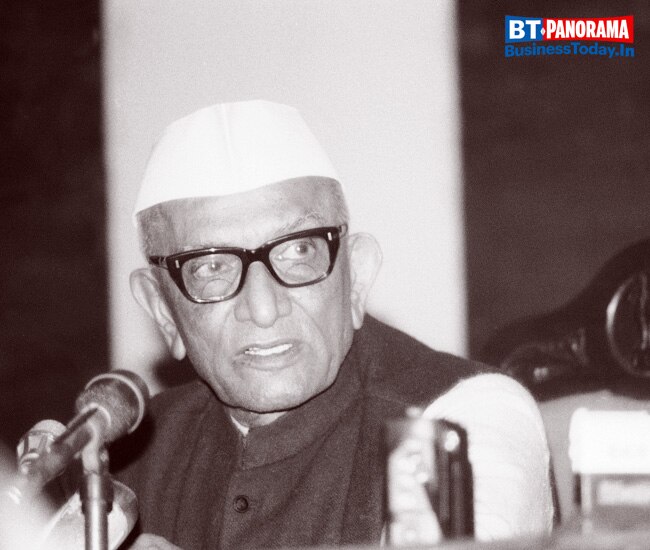
Morarji Desai's birthday on Budget day
Former prime minister Morarji Desai holds the record for presenting the maximum number of budgets at 10. He was also the only finance minister to have presented budgets on his birthday, February 29 in 1964 and 1968
- 8/9
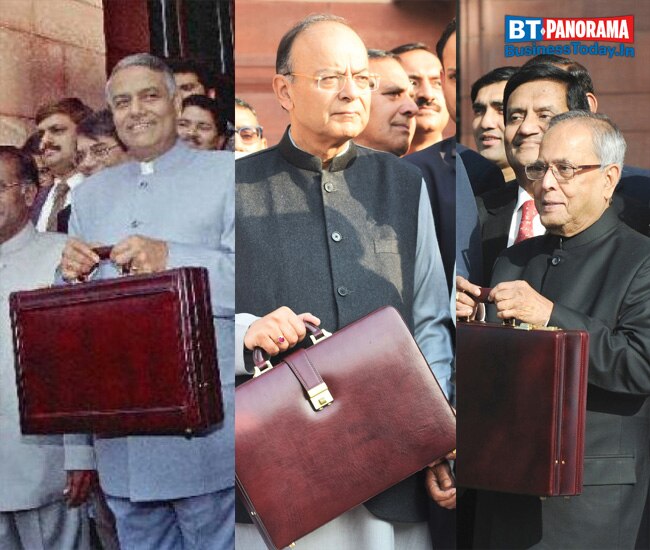
The famous budget briefcaseWhy does the finance minister pose with the leather briefcase before presenting the budget? The word 'budget' is derived from the French word 'bougette' or leather bag. This makes the budget a figure of speech. India's budget bag is a copy of Britain's quintessential red Gladstone box that has been used in every single British budget since 1860. However, in 2010, UK's red Gladstone bag had become so shabby that it was 'officially' retired. Over the years, the shape of the bag has been somewhat consistent, even though the successive FMs have experimented with different colours
- 9/9
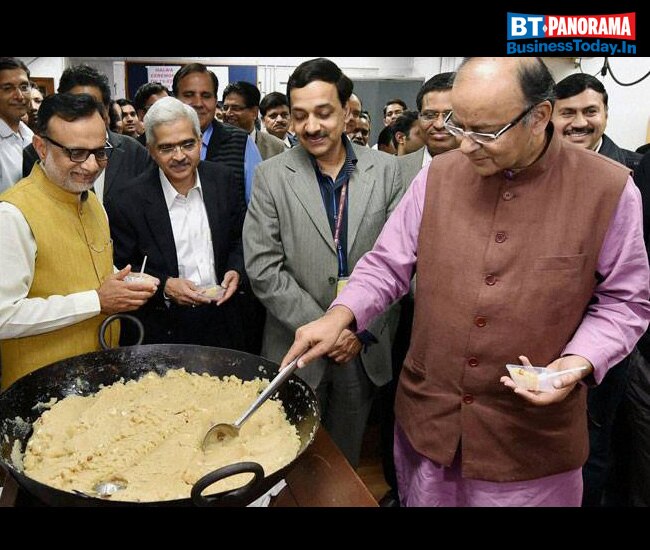
The traditional Halwa ceremonyThe halwa ceremony is symbolic for printing the documents related to the budget. The ceremony takes place a week before the actual presentation of the budget. Halwa is prepared in a large frying pot and served to everybody in North Block. From then on, a large number of support staff and officials who are involved with the budget remain cut off from the outside world till budget day.