
Budget 2021: Frequently-used financial terms you need to know
Budget 2021: Frequently-used financial terms you need to know
BusinessToday.In
- Jan 14, 2021,
- Updated Jan 21, 2021 2:46 PM IST
- 1/14
Finance Minister Nirmala Sitharaman is all set to present the upcoming Union budget 2021 on February 1. This focus of the upcoming budget is likely to be on recovery and growth after the Covid-19 pandemic devastated the economy for most parts of 2020. During the budget speech, the finance minister is expected to discuss crucial financial indicators like inflation, fiscal deficit, capital expenditure, revenue receipts, bad loans and more. Making sense of these terms is key to understanding the government's expenditure plans for the next fiscal year starting April 1, 2021.Having said that, here are some key budget-related terms that will help you make sense of the budget speech:

- 2/14
Annual financial statement
The Union Budget is also known as the annual financial statement (AFS) for a particular year. It is presented by the government to highlight its expenditure and receipts during the year, and it is mandated by Article 112 of the Constitution.
- 3/14
InflationInflation is a quantitative measure of the rate at which products and services in an economy are increased over a certain period of time. When the price of a certain basket of commodities increases due to internal or external economic factors, it can be termed as a rise in inflation. While the term has more to do with the central bank's policies, it won't be surprising if the finance minister mentions the term during the budget speech.
- 4/14
Fiscal policyFiscal policy is an outline of estimated taxation and government spending. Fiscal policy denotes adjustments in spending level and tax rates, serving as a key instrument to monitor the country's economic position. It also refers to the use of government spending and tax policies to influence economic conditions, especially aggregate demand for goods and services, employment, inflation, and economic growth.
- 5/14
Fiscal deficitWhen a government's total expenditure exceeds total revenue, excluding any external borrowings, it is termed as fiscal deficit. However, the fiscal deficit differs from debt, which can be an accumulation of many yearly deficits.

- 6/14
DivestmentDivestment is the opposite of investment and the process involves the sale of existing assets. The government has been looking to divest many of its assets which have turned sour over the years. The government is expected to make key announcements on divestments as it looks to close the fiscal deficit gap.
- 7/14
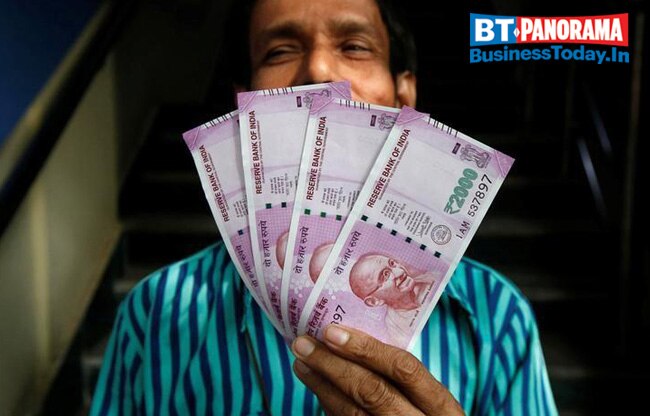
Revenue deficitWhen the government's net income or revenue generation is less than the projected net income, a revenue deficit occurs.
- 8/14
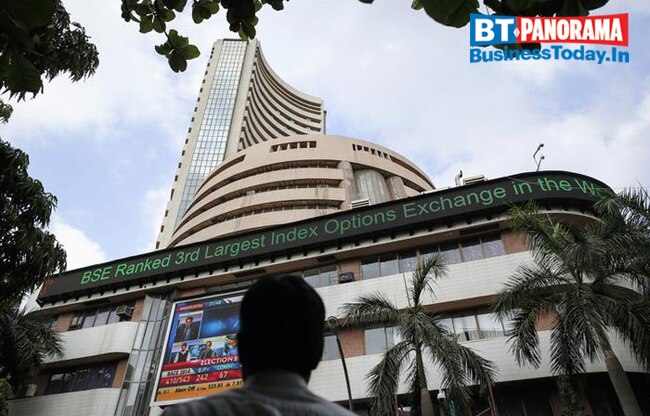
Capital expenditureWhile capital expenditure (capex) is a broad economic term used by several companies, it is also important in a budgetary context.It usually denotes funds used by a company - the government in this case - to acquire, maintain or upgrade physical assets such as property, new infrastructural projects or buying new equipment.
- 9/14
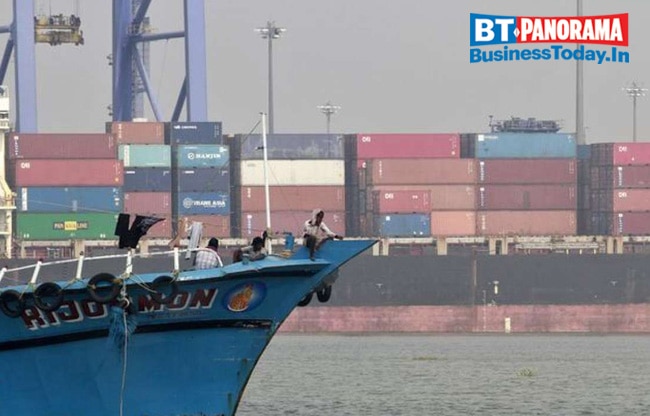
Customs DutyCustoms duty is the levy charged on when certain goods are imported into/exported out of the country. These expenses are also passed on to the end customer. Since customs duty is outside the purview of GST, the government has room to announce changes in its budget presentation. It is a key component of the budget and many sectors will be keenly awaiting an announcement regarding customs duty.
- 10/14
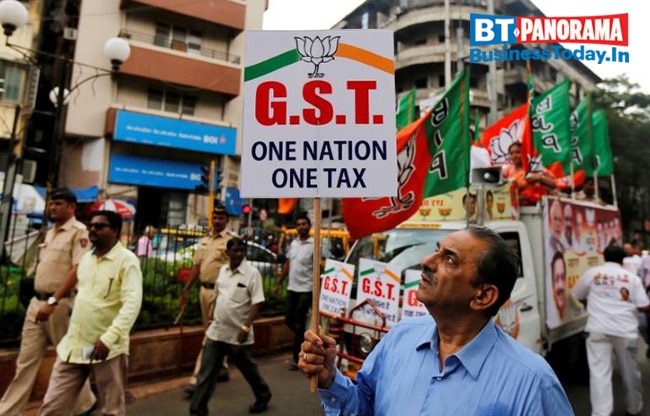
Goods and Services Tax (GST)Unlike customs duty, changes to the Goods and Services Tax (GST) are not announced in the budget. The GST Council takes a call on any changes in the GST slabs and structure. While Finance Minister Nirmala Sitharaman is likely to speak about GST in her speech, no changes to the GST will be announced in the budget.
- 11/14
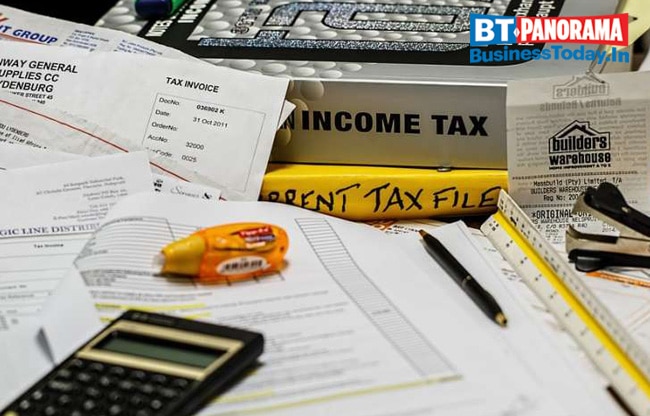
Direct tax (income tax)All taxes including income tax and corporate tax are included under direct taxes. The government is unlikely to make any major announcements related to income tax this year. However, some tweaks can be expected.

- 12/14
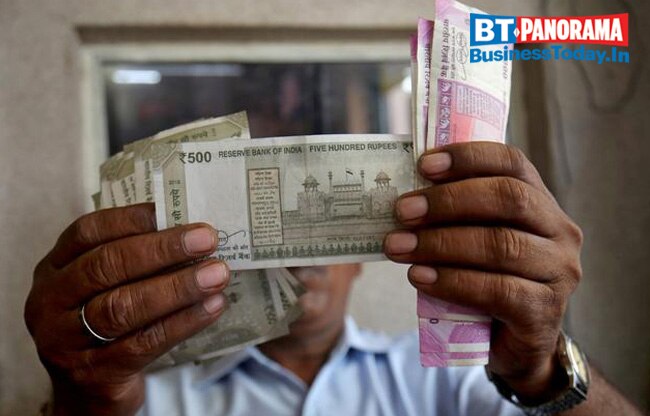
Current Account DeficitCurrent Account Deficit (CAD) is a measurement of the country's trade, where the value of imported goods and services exceeds the value of exports. It is a component of the country's balance of payments.
- 13/14
Plan and non-plan expenditureThere are usually two components of expenditure - plan and non-plan expenditure. As the name suggests, plan expenditure involves budget estimates that are determined after discussion with all stakeholders or ministries. Non-plan expenditure, on the other hand, mostly involves revenue expenditure, though it also included capital expenditure. These are expenses incurred by the government on interest payments, statutory transfers, to state/UTs, pension payments and salaries of government employees.Non-plan expenses constitute a major part of the government's budgetary expenses. Debt servicing, defence expenditure, and interest payments comprise the biggest expenses under the category.

- 14/14
Revenue surplusRevenue surplus is the exact opposite of a revenue deficit. It is a situation where the net realised income or revenue generation is more than the projected net income. The actual revenue and expenditure is more than the budget estimates.