
Rapid tests at home not as accurate for Omicron: US regulator
The FDA has also recently released a list of COVID PCR tests that may not accurately detect the Omicron variant, presenting people with a false negative result.
- Dec 29, 2021,
- Updated Dec 29, 2021 4:23 PM IST
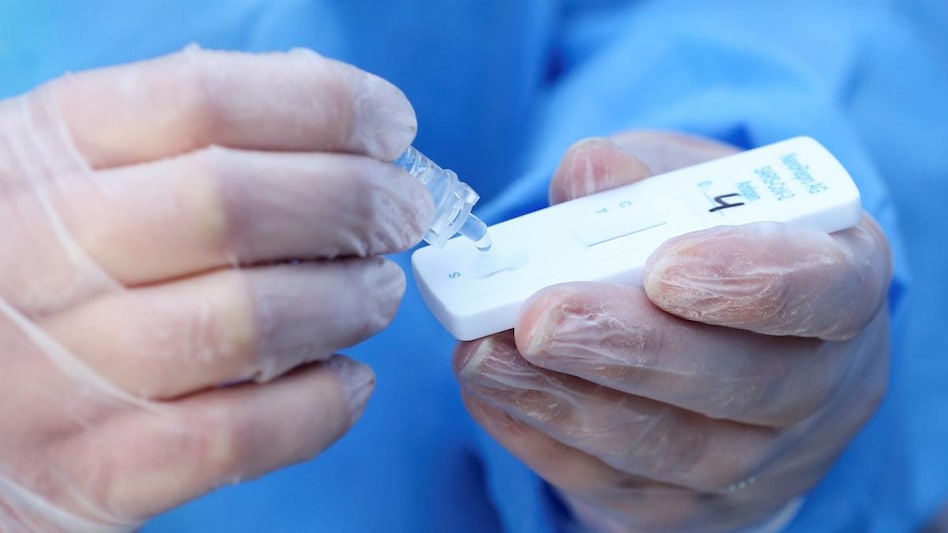
The Omicron variant has mutations that may cause some COVID-19 tests to miss it due to reduced sensitivity, according to the US Food and Drug Administration (FDA). Rapid Covid home tests are more likely to give a false negative with the heavily-mutated Omicron variant compared to earlier strains. The number of mutations in the Omicron virus may have outpaced current testing measures.
In a statement, the FDA said it was collaborating with the National Institutes of Health (NIH) to study the performance of home tests, also known as "antigen" tests, against patient samples containing live versions of the Omicron variant.
"Early data suggest that antigen tests do detect the Omicron variant but may have reduced sensitivity," NIH said. Sensitivity is a measure of how likely a test can detect a positive. Previous testing had focused on heat-inactivated virus samples, rather than a live virus which is better, and a drop-off in performance hadn't been spotted until now, the statement added.
The rate of false negatives — a test that says you don’t have the virus when you actually do have the virus varies depending on how long infection has been present. The false-positive rate or how often the test says you have the virus when you do not should be close to zero.
The FDA has also recently released a list of COVID PCR tests that may not accurately detect the Omicron variant, presenting people with a false negative result.
As the US is experiencing a massive surge experts worry that cases are being under-reported due to a testing crunch, with long wait times for the more accurate PCR tests, and home kits in extremely short supply.
Omicron's numerous mutations are different from the genetic markers that the current PCR tests use. The Omicron variant has about 30 mutations. According to the FDA, research on how Omicron could affect COVID tests is ongoing.
(With inputs from AFP)
The Omicron variant has mutations that may cause some COVID-19 tests to miss it due to reduced sensitivity, according to the US Food and Drug Administration (FDA). Rapid Covid home tests are more likely to give a false negative with the heavily-mutated Omicron variant compared to earlier strains. The number of mutations in the Omicron virus may have outpaced current testing measures.
In a statement, the FDA said it was collaborating with the National Institutes of Health (NIH) to study the performance of home tests, also known as "antigen" tests, against patient samples containing live versions of the Omicron variant.
"Early data suggest that antigen tests do detect the Omicron variant but may have reduced sensitivity," NIH said. Sensitivity is a measure of how likely a test can detect a positive. Previous testing had focused on heat-inactivated virus samples, rather than a live virus which is better, and a drop-off in performance hadn't been spotted until now, the statement added.
The rate of false negatives — a test that says you don’t have the virus when you actually do have the virus varies depending on how long infection has been present. The false-positive rate or how often the test says you have the virus when you do not should be close to zero.
The FDA has also recently released a list of COVID PCR tests that may not accurately detect the Omicron variant, presenting people with a false negative result.
As the US is experiencing a massive surge experts worry that cases are being under-reported due to a testing crunch, with long wait times for the more accurate PCR tests, and home kits in extremely short supply.
Omicron's numerous mutations are different from the genetic markers that the current PCR tests use. The Omicron variant has about 30 mutations. According to the FDA, research on how Omicron could affect COVID tests is ongoing.
(With inputs from AFP)