
Who is Sethuraman Panchanathan? Chennai-born scientist honoured with NAE’s prestigious Bueche Award
Panchanathan has spent more than three decades working across academia, research, technology and government. His research has covered areas including machine learning, multimedia computing, haptic interfaces and ubiquitous computing
- Sep 18, 2026,
- Updated Sep 18, 2026 3:05 AM IST
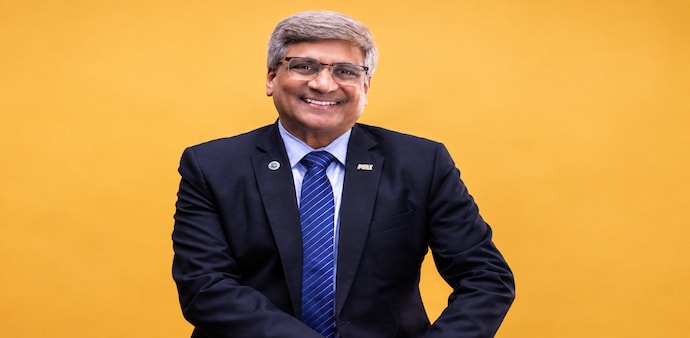
The Chennai-born computer scientist and engineer has been named the 2026 recipient of the Arthur M. Bueche Award by the US National Academy of Engineering (NAE). Dr Sethuraman Panchanathan’s journey from a curious eight-year-old in Chennai to the leadership of the US National Science Foundation has now reached another significant milestone, according to India Today.
The award recognises his leadership in advancing fundamental science, technology and policy, promoting translational research and strengthening opportunities across the United States. Panchanathan is the first Indian American and the first person from Arizona to receive the honour in its more than four-decade history.
READ THIS: UNT names new AI college after Anuradha and Vikas Sinha following ₹191 crore donation
The childhood moment that sparked his scientific journey
Born on June 24, 1961, Panchanathan’s interest in science can be traced back to 1969, when he was eight years old. He visited the American Centre in Chennai with his father to see rocks brought back from the Moon by NASA’s Apollo 11 mission.
The rocks themselves were not what fascinated him most. Panchanathan later recalled that what struck him was the human ingenuity and scientific expertise required to bring them to Earth. That experience became an early inspiration for a career centred on science and technology.
Panchanathan completed a BSc in Physics from the University of Madras in 1981. He subsequently earned a BE in Electronics and Communication Engineering from the Indian Institute of Science in 1984 and an MTech in Electrical Engineering from IIT Madras in 1986. He later moved to Canada, earning a PhD in Electrical and Computer Engineering from the University of Ottawa.
Building a career in research and technology
Panchanathan has spent more than three decades working across academia, research, technology and government. His research has covered areas including machine learning, multimedia computing, haptic interfaces and ubiquitous computing.
At Arizona State University (ASU), where he has been a faculty member since 1997, he founded the Centre for Cognitive Ubiquitous Computing (CUbiC), focusing on technologies designed to improve accessibility and assistive applications.
DON'T MISS: Meet IndiGo co-founder Rakesh Gangwal, who donated Rs 300 crore to IIT Kanpur
His academic record includes nearly 500 research publications, while his work has also involved mentoring more than 150 graduate students, postdoctoral researchers, engineers and scientists, according to his Padma Awards citation cited by India Today.
From Arizona State University to the US government
Panchanathan gradually expanded his role beyond academic research. At ASU, he served as executive vice president of the Knowledge Enterprise and chief research and innovation officer, overseeing the university's research and innovation activities.
In 2014, he joined the US National Science Board, becoming the first Indian American to serve on the board. He later became its Committee on Strategy and Budget chair.
His most prominent government role came in 2020, when he became the 15th director of the US National Science Foundation (NSF). He served until 2025.
During his NSF tenure, he oversaw the agency during the Covid-19 pandemic and the global race surrounding vaccine development. His tenure also saw the creation of the Directorate for Technology, Innovation and Partnerships, the NSF's first new directorate in more than three decades. The directorate was designed to accelerate the movement of scientific discoveries and technologies towards economic, national-security and societal applications.
ALSO READ: From Intel to ISRO: IIT Delhi alumnus quits high-paying job, secures AIR 7 as scientist
What comes next for Panchanathan
Panchanathan has returned to Arizona State University as University Professor of Technology and Innovation and Foundation Chair in Computing and Augmented Intelligence. His current areas of focus include artificial intelligence, quantum computing and the future of higher education.
In April 2026, Phoenix Mayor Kate Gallego appointed him to lead the city's quantum strategy.
The Bueche Award adds to a growing list of honours. Panchanathan was elected to the National Academy of Engineering in 2024 and received the Padma Shri in 2025 for his contributions to science and engineering.
The award will be presented in October 2026 at the National Academy of Engineering's annual meeting in Washington, DC.
The Chennai-born computer scientist and engineer has been named the 2026 recipient of the Arthur M. Bueche Award by the US National Academy of Engineering (NAE). Dr Sethuraman Panchanathan’s journey from a curious eight-year-old in Chennai to the leadership of the US National Science Foundation has now reached another significant milestone, according to India Today.
The award recognises his leadership in advancing fundamental science, technology and policy, promoting translational research and strengthening opportunities across the United States. Panchanathan is the first Indian American and the first person from Arizona to receive the honour in its more than four-decade history.
READ THIS: UNT names new AI college after Anuradha and Vikas Sinha following ₹191 crore donation
The childhood moment that sparked his scientific journey
Born on June 24, 1961, Panchanathan’s interest in science can be traced back to 1969, when he was eight years old. He visited the American Centre in Chennai with his father to see rocks brought back from the Moon by NASA’s Apollo 11 mission.
The rocks themselves were not what fascinated him most. Panchanathan later recalled that what struck him was the human ingenuity and scientific expertise required to bring them to Earth. That experience became an early inspiration for a career centred on science and technology.
Panchanathan completed a BSc in Physics from the University of Madras in 1981. He subsequently earned a BE in Electronics and Communication Engineering from the Indian Institute of Science in 1984 and an MTech in Electrical Engineering from IIT Madras in 1986. He later moved to Canada, earning a PhD in Electrical and Computer Engineering from the University of Ottawa.
Building a career in research and technology
Panchanathan has spent more than three decades working across academia, research, technology and government. His research has covered areas including machine learning, multimedia computing, haptic interfaces and ubiquitous computing.
At Arizona State University (ASU), where he has been a faculty member since 1997, he founded the Centre for Cognitive Ubiquitous Computing (CUbiC), focusing on technologies designed to improve accessibility and assistive applications.
DON'T MISS: Meet IndiGo co-founder Rakesh Gangwal, who donated Rs 300 crore to IIT Kanpur
His academic record includes nearly 500 research publications, while his work has also involved mentoring more than 150 graduate students, postdoctoral researchers, engineers and scientists, according to his Padma Awards citation cited by India Today.
From Arizona State University to the US government
Panchanathan gradually expanded his role beyond academic research. At ASU, he served as executive vice president of the Knowledge Enterprise and chief research and innovation officer, overseeing the university's research and innovation activities.
In 2014, he joined the US National Science Board, becoming the first Indian American to serve on the board. He later became its Committee on Strategy and Budget chair.
His most prominent government role came in 2020, when he became the 15th director of the US National Science Foundation (NSF). He served until 2025.
During his NSF tenure, he oversaw the agency during the Covid-19 pandemic and the global race surrounding vaccine development. His tenure also saw the creation of the Directorate for Technology, Innovation and Partnerships, the NSF's first new directorate in more than three decades. The directorate was designed to accelerate the movement of scientific discoveries and technologies towards economic, national-security and societal applications.
ALSO READ: From Intel to ISRO: IIT Delhi alumnus quits high-paying job, secures AIR 7 as scientist
What comes next for Panchanathan
Panchanathan has returned to Arizona State University as University Professor of Technology and Innovation and Foundation Chair in Computing and Augmented Intelligence. His current areas of focus include artificial intelligence, quantum computing and the future of higher education.
In April 2026, Phoenix Mayor Kate Gallego appointed him to lead the city's quantum strategy.
The Bueche Award adds to a growing list of honours. Panchanathan was elected to the National Academy of Engineering in 2024 and received the Padma Shri in 2025 for his contributions to science and engineering.
The award will be presented in October 2026 at the National Academy of Engineering's annual meeting in Washington, DC.