
West Bengal Election Results 2026: How parties performed in the last election
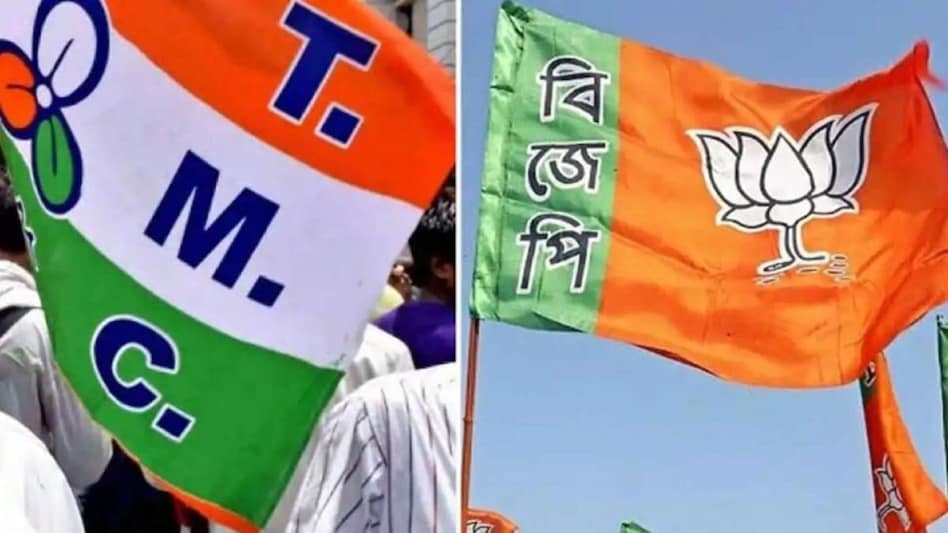
In the 2021 West Bengal Assembly election, the TMC secured a sweeping victory by winning 213 seats in the 294-member Assembly, comfortably crossing the majority mark. The BJP emerged as the principal opposition with 77 seats.
- May 3, 2026,
- Updated May 3, 2026 10:00 AM IST
As West Bengal awaits the results of the 2026 Assembly elections, political attention has once again turned to the dramatic 2021 contest that reshaped the state’s electoral landscape. The previous election was one of the fiercest battles in Bengal’s political history, marked by an intense showdown between the Trinamool Congress (TMC) and the Bharatiya Janata Party (BJP).
In the 2021 West Bengal Assembly election, the TMC secured a sweeping victory by winning 213 seats in the 294-member Assembly, comfortably crossing the majority mark. The BJP emerged as the principal opposition with 77 seats, while the Congress and Left Front suffered one of their worst electoral performances in decades.
Don't miss | West Bengal election 2026: Exit polls are out but how many times they got it right?
The election cemented Chief Minister Mamata Banerjee’s position as one of the country’s most formidable regional leaders. Despite facing a high-voltage campaign led by the BJP and several top national leaders, the TMC improved its tally from the previous election and retained power for a third consecutive term.
The BJP, however, registered a major rise in the state compared to earlier elections. From winning just three seats in 2016, the party expanded its footprint dramatically to 77 seats in 2021. The BJP also increased its vote share significantly, establishing itself as the main challenger to the TMC in Bengal politics.
One of the defining features of the 2021 election was the collapse of the Left-Congress alliance. Once dominant forces in West Bengal politics, both parties failed to win substantial ground. The Left Front did not secure a single seat, while the Congress managed only a handful of victories, reflecting a major shift in the state’s political equations.
Must read | ‘We are going to cross 226 seats...’: Mamata dismisses West Bengal Exit Poll results 2026
The TMC’s strength came from strong performances in south Bengal districts, including Kolkata, Howrah and Hooghly, where welfare schemes and grassroots organisation played a crucial role. The BJP performed strongly in several northern districts and parts of Junglemahal, benefiting from anti-incumbency pockets and aggressive campaigning.
Women voters emerged as a decisive factor in the 2021 verdict. Political analysts credited the TMC’s welfare-focused outreach, including schemes aimed at women and rural households, for consolidating support across large sections of the electorate.
The election also saw record political polarisation, with campaigns revolving around identity, regional pride, welfare politics and allegations of political violence. The high voter turnout reflected the intensity of the contest and the significance of the battle for both national and regional parties.
As West Bengal awaits the results of the 2026 Assembly elections, political attention has once again turned to the dramatic 2021 contest that reshaped the state’s electoral landscape. The previous election was one of the fiercest battles in Bengal’s political history, marked by an intense showdown between the Trinamool Congress (TMC) and the Bharatiya Janata Party (BJP).
In the 2021 West Bengal Assembly election, the TMC secured a sweeping victory by winning 213 seats in the 294-member Assembly, comfortably crossing the majority mark. The BJP emerged as the principal opposition with 77 seats, while the Congress and Left Front suffered one of their worst electoral performances in decades.
Don't miss | West Bengal election 2026: Exit polls are out but how many times they got it right?
The election cemented Chief Minister Mamata Banerjee’s position as one of the country’s most formidable regional leaders. Despite facing a high-voltage campaign led by the BJP and several top national leaders, the TMC improved its tally from the previous election and retained power for a third consecutive term.
The BJP, however, registered a major rise in the state compared to earlier elections. From winning just three seats in 2016, the party expanded its footprint dramatically to 77 seats in 2021. The BJP also increased its vote share significantly, establishing itself as the main challenger to the TMC in Bengal politics.
One of the defining features of the 2021 election was the collapse of the Left-Congress alliance. Once dominant forces in West Bengal politics, both parties failed to win substantial ground. The Left Front did not secure a single seat, while the Congress managed only a handful of victories, reflecting a major shift in the state’s political equations.
Must read | ‘We are going to cross 226 seats...’: Mamata dismisses West Bengal Exit Poll results 2026
The TMC’s strength came from strong performances in south Bengal districts, including Kolkata, Howrah and Hooghly, where welfare schemes and grassroots organisation played a crucial role. The BJP performed strongly in several northern districts and parts of Junglemahal, benefiting from anti-incumbency pockets and aggressive campaigning.
Women voters emerged as a decisive factor in the 2021 verdict. Political analysts credited the TMC’s welfare-focused outreach, including schemes aimed at women and rural households, for consolidating support across large sections of the electorate.
The election also saw record political polarisation, with campaigns revolving around identity, regional pride, welfare politics and allegations of political violence. The high voter turnout reflected the intensity of the contest and the significance of the battle for both national and regional parties.