
Meet Apurva Shrivastava, the MIT graduate whose AI startup turned missed calls into a $1 billion business
Shrivastava studied computer science at the Massachusetts Institute of Technology (MIT).
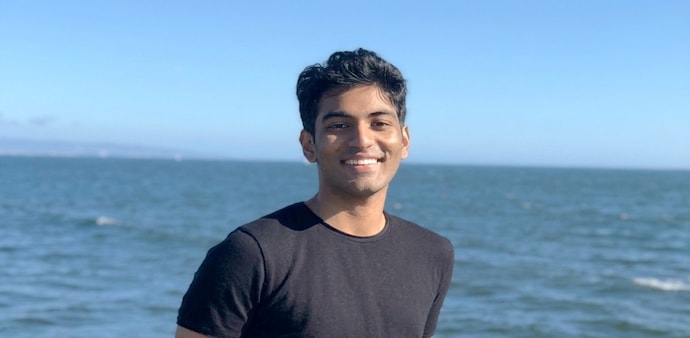
- Nov 20, 2026,
- Updated Nov 20, 2026 8:00 AM IST
A missed call can be easy to ignore. For a small business, it can mean losing a customer and, in some cases, a job worth tens of thousands of dollars.
For MIT graduate Apurva Shrivastava, that simple problem was familiar long before he turned it into a business idea. Growing up in Michigan, Shrivastava helped his parents manage calls for their small business. Years later, that experience became the starting point for Avoca, an AI startup he co-founded that helps home-service companies answer calls, book appointments and follow up with customers, India Today reported on Thursday.
The company has now raised more than $125 million and reached a $1 billion valuation, putting a very everyday problem at the centre of a fast-growing AI business.
From his parents' business to MIT
Shrivastava studied computer science at the Massachusetts Institute of Technology (MIT). Before launching Avoca, he worked on AI products at Apple and Sunshine and later as an engineer at software company Retool. He was also a second-time founder.
His co-founder, Tyson Chen, had a similar experience growing up. Chen helped his mother manage calls for her acupuncture business in Pennsylvania.
The two met at an MIT poker night. Their shared experience eventually led them to build a company around a problem they had both seen at home.
Don't Miss: No soil, no farm: Nagpur couple turns 400 sq ft room into ₹4-lakh-a-month saffron business
When a missed call could mean $40,000
Avoca did not start out by focusing on home-service businesses.
Shrivastava and Chen initially explored building an AI answering service for restaurants. But a chance meeting at a restaurant industry conference in Texas changed their plans.
There, they met Rescue Air, a Dallas-based heating and air-conditioning company. The founders realised that missed calls could have a much bigger financial impact in home services.
As Chen told Fortune, a missed restaurant call could mean losing a $30 or $40 order. For an HVAC business, it could mean missing an installation worth $30,000 to $40,000.
The founders spent three months in 2023 building a product specifically for Rescue Air. The company helped them find their first customers.
How Avoca's AI works
Avoca's AI voice agents answer customer calls, schedule appointments, follow up on pending estimates and help manage dispatch.
The company serves businesses across plumbing, roofing, electrical work and heating and air conditioning.
Its system can also connect with business scheduling tools. This allows customer enquiries to move towards actual bookings instead of ending with a voicemail.
For businesses that depend on phone calls to win customers, the idea is simple: make sure someone, or something, is always there to answer.
Must Read: The ₹80 lakh gamble: How a Bengaluru couple turned samosas into a ₹200 crore business
How Avoca reached a $1 billion valuation
On April 27, 2026, Avoca announced that it had raised more than $125 million across three funding rounds, reaching a $1 billion valuation.
Its investors include Kleiner Perkins, Meritech, General Catalyst, Amplify Partners and Y Combinator. Fortune reported that the company had crossed 800 customers.
For Shrivastava, the opportunity is in an industry that technology companies have often overlooked: the businesses that repair homes, fix electrical problems and keep air-conditioning systems running.
His bet is that AI's next big market may not be another office desk, but the businesses that keep everyday life moving.