
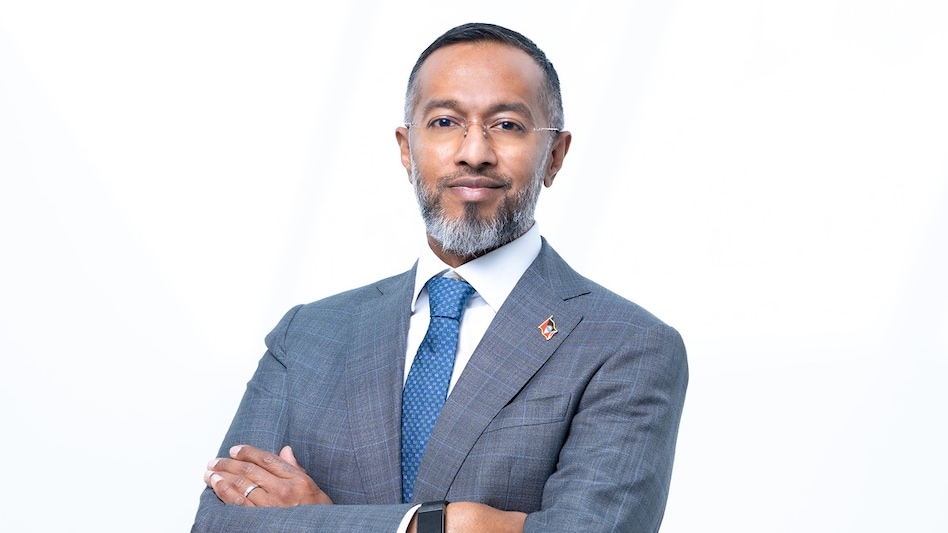
Ambassador Theon Ali: A Vital Voice for the Vulnerable – Why SIDS Cannot Be Overlooked at MC14
For island nations, trade is not abstract. It is the ships that bring food, medicine, fuel, and building materials. It is the ports that must function without interruption.
- Mar 27, 2026,
- Updated Mar 27, 2026 3:42 PM IST
Ministers and trade delegations are gathering in Yaoundé this week for the WTO’s 14th Ministerial Conference. Hosted by Cameroon’s Minister of Trade, Luc Magloire Mbarga Atangana, the meeting was always going to matter for Small Island Developing States. But with global tensions rising, it matters more than ever.
For island nations, trade is not abstract. It is the ships that bring food, medicine, fuel, and building materials. It is the ports that must function without interruption. When trade facilitation or customs efficiency is discussed in Geneva or Yaoundé, those conversations land directly on our shores. They determine whether families have secure incomes and whether small businesses can stay open.
The prolonged instability in the Middle East has put pressure on supply chains in ways that hit SIDS hardest. We are at the end of long logistics lines. When shipping becomes unpredictable, we feel it first and recover last. The numbers tell the story. The Strait of Hormuz carries roughly one-fifth of the world’s oil, and since tensions escalated, war risk insurance premiums for vessels have climbed from about 0.2 percent of a ship’s value to as much as 1 percent. Some insurers have stopped covering Hormuz transits altogether. Global oil prices have risen exponentially to above $100 a barrel.
For Caribbean SIDS, which import billions of dollars in food each year, those increases show up quickly at the supermarket. Oil prices account for roughly 60 percent of regional energy inflation. That means higher electricity bills, higher transport costs, and less money left over for everything else.
Tourism, which provides the bulk of jobs and foreign exchange for most SIDS, is also taking a hit. Jet fuel makes up 15 to 25 percent of an airline’s operating costs. When fuel prices spike, ticket prices follow. The conflict has already led to hundreds of flight cancellations affecting over a million travelers.
For hotels, tour operators, taxi drivers, and the people who sell souvenirs or run small restaurants, that translates into fewer customers and tighter margins. These are not abstract geopolitical problems. They are hard choices for small economies.
Do we spend more on subsidizing freight costs or on health care? Do we dip into reserves to stabilize fuel prices or let them rise and risk pushing families further into hardship?
What SIDS need from MC14
What SIDS need from this Ministerial Conference is straightforward. First, a consistent call for de-escalation and the protection of critical sea lanes. Ceasefire, restraint, and diplomacy must be prioritised. But equally urgent is the need to keep shipping lanes open and safe, not as a favour to the Caribbean, but as a recognition that the global trading system was built to serve all members, not just the powerful.
Second, insistence that the economic consequences for vulnerable economies be addressed. Energy price spikes, freight costs, imported inflation, and potential recessions in tourism origin markets are hurting societies that had no voice in the decision to fight. The WTO and its members should be pressed for tailored financial support and shock-absorbing mechanisms for SIDS.
Third, concrete commitments to supply chain resilience and a reaffirmation that those who contribute least to global disruptions should not bear the heaviest costs. Small countries depend on the restraints in the UN Charter and the rules of the global trading system. When those norms erode, it is the smallest and most vulnerable who lose most. The ministers in Yaoundé have the power to shape outcomes that either leave vulnerable economies behind or build something more inclusive. For the people of Antigua and Barbuda, and for SIDS everywhere, that choice is real. Let this conference be remembered for what it chose to do for those who need the most from it.
Ministers and trade delegations are gathering in Yaoundé this week for the WTO’s 14th Ministerial Conference. Hosted by Cameroon’s Minister of Trade, Luc Magloire Mbarga Atangana, the meeting was always going to matter for Small Island Developing States. But with global tensions rising, it matters more than ever.
For island nations, trade is not abstract. It is the ships that bring food, medicine, fuel, and building materials. It is the ports that must function without interruption. When trade facilitation or customs efficiency is discussed in Geneva or Yaoundé, those conversations land directly on our shores. They determine whether families have secure incomes and whether small businesses can stay open.
The prolonged instability in the Middle East has put pressure on supply chains in ways that hit SIDS hardest. We are at the end of long logistics lines. When shipping becomes unpredictable, we feel it first and recover last. The numbers tell the story. The Strait of Hormuz carries roughly one-fifth of the world’s oil, and since tensions escalated, war risk insurance premiums for vessels have climbed from about 0.2 percent of a ship’s value to as much as 1 percent. Some insurers have stopped covering Hormuz transits altogether. Global oil prices have risen exponentially to above $100 a barrel.
For Caribbean SIDS, which import billions of dollars in food each year, those increases show up quickly at the supermarket. Oil prices account for roughly 60 percent of regional energy inflation. That means higher electricity bills, higher transport costs, and less money left over for everything else.
Tourism, which provides the bulk of jobs and foreign exchange for most SIDS, is also taking a hit. Jet fuel makes up 15 to 25 percent of an airline’s operating costs. When fuel prices spike, ticket prices follow. The conflict has already led to hundreds of flight cancellations affecting over a million travelers.
For hotels, tour operators, taxi drivers, and the people who sell souvenirs or run small restaurants, that translates into fewer customers and tighter margins. These are not abstract geopolitical problems. They are hard choices for small economies.
Do we spend more on subsidizing freight costs or on health care? Do we dip into reserves to stabilize fuel prices or let them rise and risk pushing families further into hardship?
What SIDS need from MC14
What SIDS need from this Ministerial Conference is straightforward. First, a consistent call for de-escalation and the protection of critical sea lanes. Ceasefire, restraint, and diplomacy must be prioritised. But equally urgent is the need to keep shipping lanes open and safe, not as a favour to the Caribbean, but as a recognition that the global trading system was built to serve all members, not just the powerful.
Second, insistence that the economic consequences for vulnerable economies be addressed. Energy price spikes, freight costs, imported inflation, and potential recessions in tourism origin markets are hurting societies that had no voice in the decision to fight. The WTO and its members should be pressed for tailored financial support and shock-absorbing mechanisms for SIDS.
Third, concrete commitments to supply chain resilience and a reaffirmation that those who contribute least to global disruptions should not bear the heaviest costs. Small countries depend on the restraints in the UN Charter and the rules of the global trading system. When those norms erode, it is the smallest and most vulnerable who lose most. The ministers in Yaoundé have the power to shape outcomes that either leave vulnerable economies behind or build something more inclusive. For the people of Antigua and Barbuda, and for SIDS everywhere, that choice is real. Let this conference be remembered for what it chose to do for those who need the most from it.