
How The Organic World Is Helping Shape India's Responsible Retail Movement
As product claims multiply, retailers are increasingly expected to go beyond stocking shelves and help consumers make informed choices. Shoppers today evaluate brands on trust, transparency and values as much as price.
- Jul 16, 2026,
- Updated Jul 16, 2026 3:12 PM IST
For a long time, grocery shopping was driven largely by habit, convenience and price. Today, it is increasingly driven by trust. Consumers want to know not just what they are buying, but how it was grown, sourced and made. They are scrutinising ingredient lists more closely, questioning labels and seeking products that are free from unnecessary chemicals and additives. As a result, grocery retailers are no longer just places to shop. They are becoming trusted guides that help consumers make more informed and responsible food choices.
It is against this backdrop that retailers like The Organic World are building a different kind of retail ecosystem, one where curation, transparency and trust are central to every purchase.
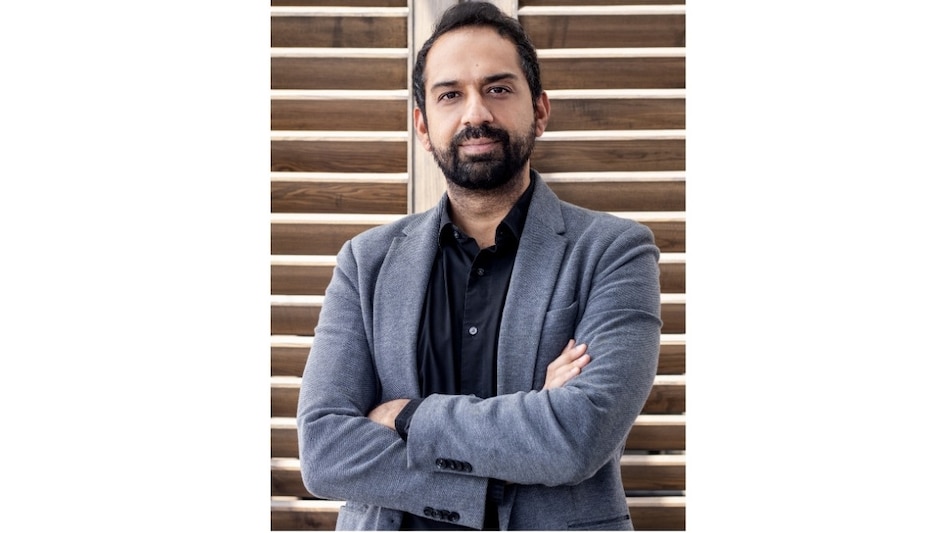
"Our growth has been driven by a fundamental shift in how consumers think about food. What began as demand for organic products has evolved into a broader movement towards clean label, minimally processed and transparent food choices. Consumers today expect retailers to simplify those choices and build trust," says Gaurav Manchanda, Founder & Director, The Organic World.
The trend reflects broader market dynamics. India's organic food market is projected to grow at nearly 19% CAGR through 2034, while clean label foods, functional nutrition and minimally processed products continue to move into mainstream grocery baskets.
For The Organic World, this philosophy is reflected in its 'Worry Free Groceries' approach, where every product is carefully evaluated before reaching store shelves. Through its 'Not In Our Aisle' philosophy, the retailer actively curates products free from ingredients consumers increasingly want to avoid, including artificial colours, synthetic flavours, palm oil, high fructose corn syrup and other unnecessary additives. The objective is simple: consumers should not have to spend time decoding ingredient labels or questioning what is in their food.
As product claims multiply, retailers are increasingly expected to go beyond stocking shelves and help consumers make informed choices. Shoppers today evaluate brands on trust, transparency and values as much as price.
"Categories such as organic staples, clean label snacks, natural personal care, functional foods and organic fresh produce are seeing strong traction. More importantly, this demand is becoming mainstream, particularly among young families and health conscious urban consumers. They are looking beyond products and placing greater value on trust and transparency," explains Manchanda.
Scaling this model, however, requires far more than expanding store networks. Responsible retail demands deeper engagement with sourcing, supplier verification, quality control and disciplined product curation than conventional grocery formats.
Today, The Organic World operates 30 stores across Bengaluru and Hyderabad and plans to double its footprint while deepening its presence in both markets. Alongside expansion, the company aims to strengthen its omnichannel experience, introduce more clean label and wellness focused categories, and continue working closely with organic farmers, certified FPOs and responsible producers.
"The opportunity is significant because consumer demand for trusted food and grocery options is growing faster than ever. But responsible retail cannot be scaled by compromising on standards. Our vision is not simply to open more stores, but to build a stronger ecosystem around healthier, more conscious living while strengthening The Organic World's position as India's most trusted destination for worry free groceries," says Manchanda.
Looking ahead, organised retail is expected to play an increasingly important role in India's transition towards healthier and more transparent food choices. Retailers will move beyond being points of sale to becoming curators of trust, carefully selecting products, educating consumers and building confidence in the brands they bring to market.
As India's grocery sector evolves, retailers that prioritise trust, transparency and responsible curation are likely to shape the industry's next phase. In an era where reassurance is becoming as important as convenience, responsible retail may well emerge as one of India's strongest competitive advantages.
For a long time, grocery shopping was driven largely by habit, convenience and price. Today, it is increasingly driven by trust. Consumers want to know not just what they are buying, but how it was grown, sourced and made. They are scrutinising ingredient lists more closely, questioning labels and seeking products that are free from unnecessary chemicals and additives. As a result, grocery retailers are no longer just places to shop. They are becoming trusted guides that help consumers make more informed and responsible food choices.
It is against this backdrop that retailers like The Organic World are building a different kind of retail ecosystem, one where curation, transparency and trust are central to every purchase.
"Our growth has been driven by a fundamental shift in how consumers think about food. What began as demand for organic products has evolved into a broader movement towards clean label, minimally processed and transparent food choices. Consumers today expect retailers to simplify those choices and build trust," says Gaurav Manchanda, Founder & Director, The Organic World.
The trend reflects broader market dynamics. India's organic food market is projected to grow at nearly 19% CAGR through 2034, while clean label foods, functional nutrition and minimally processed products continue to move into mainstream grocery baskets.
For The Organic World, this philosophy is reflected in its 'Worry Free Groceries' approach, where every product is carefully evaluated before reaching store shelves. Through its 'Not In Our Aisle' philosophy, the retailer actively curates products free from ingredients consumers increasingly want to avoid, including artificial colours, synthetic flavours, palm oil, high fructose corn syrup and other unnecessary additives. The objective is simple: consumers should not have to spend time decoding ingredient labels or questioning what is in their food.
As product claims multiply, retailers are increasingly expected to go beyond stocking shelves and help consumers make informed choices. Shoppers today evaluate brands on trust, transparency and values as much as price.
"Categories such as organic staples, clean label snacks, natural personal care, functional foods and organic fresh produce are seeing strong traction. More importantly, this demand is becoming mainstream, particularly among young families and health conscious urban consumers. They are looking beyond products and placing greater value on trust and transparency," explains Manchanda.
Scaling this model, however, requires far more than expanding store networks. Responsible retail demands deeper engagement with sourcing, supplier verification, quality control and disciplined product curation than conventional grocery formats.
Today, The Organic World operates 30 stores across Bengaluru and Hyderabad and plans to double its footprint while deepening its presence in both markets. Alongside expansion, the company aims to strengthen its omnichannel experience, introduce more clean label and wellness focused categories, and continue working closely with organic farmers, certified FPOs and responsible producers.
"The opportunity is significant because consumer demand for trusted food and grocery options is growing faster than ever. But responsible retail cannot be scaled by compromising on standards. Our vision is not simply to open more stores, but to build a stronger ecosystem around healthier, more conscious living while strengthening The Organic World's position as India's most trusted destination for worry free groceries," says Manchanda.
Looking ahead, organised retail is expected to play an increasingly important role in India's transition towards healthier and more transparent food choices. Retailers will move beyond being points of sale to becoming curators of trust, carefully selecting products, educating consumers and building confidence in the brands they bring to market.
As India's grocery sector evolves, retailers that prioritise trust, transparency and responsible curation are likely to shape the industry's next phase. In an era where reassurance is becoming as important as convenience, responsible retail may well emerge as one of India's strongest competitive advantages.