
India’s Phone Scams Are Getting Bigger — and Bolder
ScamFeed transforms Truecaller into a live scam-alert network, helping users check suspicious numbers and spot red flags before it's too late.
- Jun 20, 2025,
- Updated Jun 20, 2025 3:16 PM IST
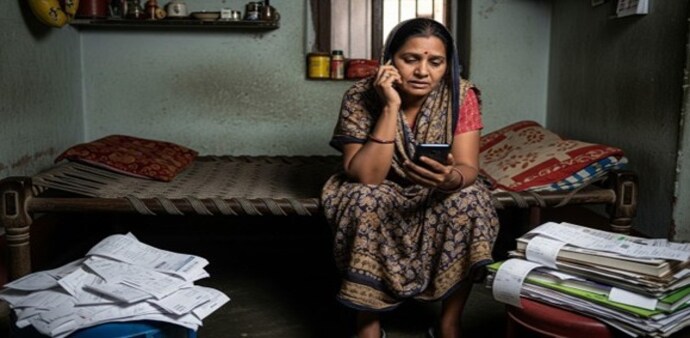
India is facing a surge in phone-based cyber fraud, with individual losses now routinely crossing ₹10‑20 lakh. These scams are becoming omnipresent and most people who lose money can ill afford it. According to official data, high-value cyber fraud cases (involving sums over ₹1,00,000) soared from 6,699 in FY 2023 to 29,082 in FY 2024, causing roughly ₹177 crore ($20 million) in losses.
Recent real-world cases (these have all been reported in the media recently) show how scammers continue to exploit psychological tactics, stolen data and caller ID spoofing to extort money:
- In Kolkata, scammers posing as bank and digital-wallet executives phoned two women, tricking them into sharing OTPs. One woman lost ₹4 lakh, another ₹7.1 lakh.
- In Pune, a woman fell victim to a fake traffic challan link in a phishing SMS. Malware gave fraudsters remote access to her phone, resulting in a ₹7 lakh loss over two days.
● In Kolkata again, an 81-year-old man was threatened with digital arrest by fake police and telecom officers. He was coerced into transferring ₹88 lakh before realizing it was a scam.
- Perhaps the most harrowing: an 86-year-old woman in Mumbai lost over
₹20 crore after criminals impersonated CBI officers and isolated her for months while siphoning funds.
These examples underscore scammers’ use of urgency, fear, impersonation, and remote access to extract vast amounts from victims, particularly the elderly.
So What Can You Do About It?
This is where apps like Truecaller come in. You may have already used it or heard about it. Truecaller has India as its largest market: over 300 million (30 crore) users in India alone. They are known for their caller ID and scam blocking app but there are also several, mostly unexplored features and capabilities inside the app.
Recently, Truecaller has been stepping it up with a user-driven scam defense tool called ScamFeed. You can see it on the Android app in the bottom row section called ‘Scams’. Launched in India in late April and soon to go global, it offers:
- A real-time community powered feed of the latest types of scams and discussions
- Anonymous reporting of suspicious calls/SMSes and sharing of screenshots, designed to keep others safe
- Threaded comments and easy sharing to WhatsApp and other platforms
ScamFeed transforms Truecaller into a live scam-alert network, helping users check suspicious numbers and spot red flags before it's too late. There are actual scam call centres in India that are only in the business of scamming. One such call centre was recently busted but there are probably hundreds more in operation.
Beware the New “Govt Financial Project” Scam Doing the Rounds
Truecaller CEO Rishit Jhunjhunwala, recently posted about a new “Govt Financial Project” scam on X — where scammers have been using videos and pictures of the Honorable Finance Minister, Prime Minister and many other prominent people to push bogus government investment schemes onto unsuspecting folks. Here’s how the scam works: you will get scam messages talking about a Govt investment scheme and how thousands of Indians have already earned between Rs 80,000 to Rs 3 lakh within the first month of investing. There will probably be a fake website or a form that compels you to divulge all sorts of personal information. And once the scammer has all this info, they will proceed to convince you to ‘invest’ by transferring money.
For many folks, such ‘get rich quick’ schemes are a huge red flag, but unfortunately, several people have been falling for it because they are creating credibility using doctored images and possibly AI-generated videos of ministers too.
In his post, the CEO is warning users to be vigilant and warning those you know about it. Read his full cautionary post here:
Additionally, the Press Information Bureau has already fact checked this. To read more about this and find out about the latest scams, you can also search for and follow PIB Fact Check on X.
Stay Vigilant—And Use Tools That Alert in Real Time
As scammers adopt new tactics like fake Govt schemes, impersonation, malware installation, and fake “digital arrest” claims, awareness is your first line of defense. Using built in spam blocking features on your phone (if available) and apps like Truecaller and its community tools like ScamFeed, combined with common-sense practices (never sharing OTPs, verifying official messages via legitimate websites, and ignoring pressure tactics)—can significantly reduce your risk of getting scammed.
India is facing a surge in phone-based cyber fraud, with individual losses now routinely crossing ₹10‑20 lakh. These scams are becoming omnipresent and most people who lose money can ill afford it. According to official data, high-value cyber fraud cases (involving sums over ₹1,00,000) soared from 6,699 in FY 2023 to 29,082 in FY 2024, causing roughly ₹177 crore ($20 million) in losses.
Recent real-world cases (these have all been reported in the media recently) show how scammers continue to exploit psychological tactics, stolen data and caller ID spoofing to extort money:
- In Kolkata, scammers posing as bank and digital-wallet executives phoned two women, tricking them into sharing OTPs. One woman lost ₹4 lakh, another ₹7.1 lakh.
- In Pune, a woman fell victim to a fake traffic challan link in a phishing SMS. Malware gave fraudsters remote access to her phone, resulting in a ₹7 lakh loss over two days.
● In Kolkata again, an 81-year-old man was threatened with digital arrest by fake police and telecom officers. He was coerced into transferring ₹88 lakh before realizing it was a scam.
- Perhaps the most harrowing: an 86-year-old woman in Mumbai lost over
₹20 crore after criminals impersonated CBI officers and isolated her for months while siphoning funds.
These examples underscore scammers’ use of urgency, fear, impersonation, and remote access to extract vast amounts from victims, particularly the elderly.
So What Can You Do About It?
This is where apps like Truecaller come in. You may have already used it or heard about it. Truecaller has India as its largest market: over 300 million (30 crore) users in India alone. They are known for their caller ID and scam blocking app but there are also several, mostly unexplored features and capabilities inside the app.
Recently, Truecaller has been stepping it up with a user-driven scam defense tool called ScamFeed. You can see it on the Android app in the bottom row section called ‘Scams’. Launched in India in late April and soon to go global, it offers:
- A real-time community powered feed of the latest types of scams and discussions
- Anonymous reporting of suspicious calls/SMSes and sharing of screenshots, designed to keep others safe
- Threaded comments and easy sharing to WhatsApp and other platforms
ScamFeed transforms Truecaller into a live scam-alert network, helping users check suspicious numbers and spot red flags before it's too late. There are actual scam call centres in India that are only in the business of scamming. One such call centre was recently busted but there are probably hundreds more in operation.
Beware the New “Govt Financial Project” Scam Doing the Rounds
Truecaller CEO Rishit Jhunjhunwala, recently posted about a new “Govt Financial Project” scam on X — where scammers have been using videos and pictures of the Honorable Finance Minister, Prime Minister and many other prominent people to push bogus government investment schemes onto unsuspecting folks. Here’s how the scam works: you will get scam messages talking about a Govt investment scheme and how thousands of Indians have already earned between Rs 80,000 to Rs 3 lakh within the first month of investing. There will probably be a fake website or a form that compels you to divulge all sorts of personal information. And once the scammer has all this info, they will proceed to convince you to ‘invest’ by transferring money.
For many folks, such ‘get rich quick’ schemes are a huge red flag, but unfortunately, several people have been falling for it because they are creating credibility using doctored images and possibly AI-generated videos of ministers too.
In his post, the CEO is warning users to be vigilant and warning those you know about it. Read his full cautionary post here:
Additionally, the Press Information Bureau has already fact checked this. To read more about this and find out about the latest scams, you can also search for and follow PIB Fact Check on X.
Stay Vigilant—And Use Tools That Alert in Real Time
As scammers adopt new tactics like fake Govt schemes, impersonation, malware installation, and fake “digital arrest” claims, awareness is your first line of defense. Using built in spam blocking features on your phone (if available) and apps like Truecaller and its community tools like ScamFeed, combined with common-sense practices (never sharing OTPs, verifying official messages via legitimate websites, and ignoring pressure tactics)—can significantly reduce your risk of getting scammed.