
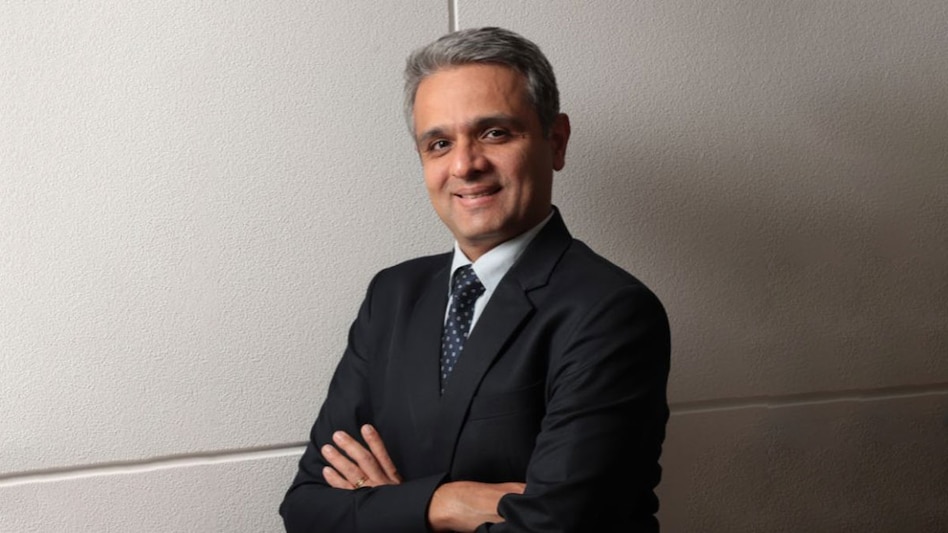
Introverts: Can they master effective communication? Rakesh Godhwani, Founder, SoME
“As a company, we believe that everyone has their unique way of expressing themselves,” says the IIM Bangalore alumnus, with a PhD in leadership communication from Cardiff Metropolitan University in the UK.
- May 17, 2023,
- Updated May 17, 2023 11:35 AM IST
There are two kinds of people in the world: Those who are outgoing and talkative and others who are more reflective and reserved. Swiss psychiatrist Carl Jung was among the first to introduce extroversion and introversion as the basic personality types in the 20th century. In fact, he proposed that jobs should be assigned to individuals based on their behavioural traits.
“A sales position, for example, requires a person to be outgoing, highly communicative, and able to network easily. Individuals who possess these traits are often labelled extroverts since they are external energy seekers who do not hesitate to engage with others. On the other hand, individuals who are comfortable with themselves, thrive in silence, work well in isolation, and are highly productive are given projects that do not require much collaboration or connection with others. These individuals are labelled introverts since they derive their energy from within,” explains Rakesh Godhwani, a communications expert, author, teacher, mentor and entrepreneur.
As the Founder and CEO of the School of Meaningful Experiences (SoME), a Bengaluru-based communication startup, Godhwani resists labels. “As a company, we believe that everyone has their unique way of expressing themselves,” says the IIM Bangalore alumnus, with a PhD in leadership communication from Cardiff Metropolitan University in the UK.
Don’t fall for myths
One of the most common myths about introverts is that they are not good at communication. Godhwani points out that not all introverts are the same. They can be very effective in communication, especially when it comes to things they care about. “For example, introverted entrepreneurs can sell their product ideas and get top funding by communicating with quiet confidence,” he says.
Another myth is that introverts can’t be good leaders. “Bill Gates, the co-founder of Microsoft, is an introvert. Despite being a public figure, he prefers to work behind the scenes and focus on his passion for technology. Gates is known for his ability to think deeply and strategically, which has helped him lead Microsoft to become one of the world’s most successful companies,” reasons Godhwani.
Similarly, JRD Tata didn’t speak much in public, but he was known to be a dynamite in the boardroom, where he was spectacularly articulate and assertive. “Leadership is a complex subject. There is no one-size-fits-all answer. While leadership requires people to be great communicators, I think it’s more important to have authenticity and the ability to connect with others,” says the communications expert.
Get out of your comfort zone
Whether you identify as an introvert or an extrovert, Godhwani warns against staying within your comfort zone. “Comfort zones are dangerous places that result in stagnation. One should constantly move towards the growth zone,” he asserts.
Personality and behaviour types can be flexible, while stereotypes often limit our ability to perceive the ever-evolving reality. “There’s ample research to prove that one can learn to be a good communicator with proper guidance, training and effort. So, it’s important to learn to communicate, regardless of your personality type,” says Godhwani.
Not everyone is born with great communication skills; they can be honed with practice. SoME adopts the Six Cs framework, covering Communication, Confidence, Collaboration, Curiosity, Competence and Creativity, to guide learners to communicate better. Since its inception in 2018, SoME has helped several introverts (and extroverts) to become more articulate and confident in their communication, thereby empowering them to build stronger collaborations and meaningful relationships.
Godhwani’s advice for those who identify as introverts is to make conscious efforts to speak up and make their presence felt. In order to be heard, one has to be assertive and effective in communication. “It’s important to communicate to the world that you may interact with people differently, but you are open to learning, collaborating and growing together, particularly in a corporate setting,” he insists.
From focusing on active listening and non-verbal communication to practising with close friends or in small group settings and seeking out opportunities for public speaking or presentations, there are several ways to get better at communication. It is a good idea to ask for feedback from trusted friends and colleagues.
“It’s crucial to create a culture wherein different kinds of people can come to work, feel comfortable and confident to be themselves and work in a way that suits them best,” signs off the entrepreneur.
There are two kinds of people in the world: Those who are outgoing and talkative and others who are more reflective and reserved. Swiss psychiatrist Carl Jung was among the first to introduce extroversion and introversion as the basic personality types in the 20th century. In fact, he proposed that jobs should be assigned to individuals based on their behavioural traits.
“A sales position, for example, requires a person to be outgoing, highly communicative, and able to network easily. Individuals who possess these traits are often labelled extroverts since they are external energy seekers who do not hesitate to engage with others. On the other hand, individuals who are comfortable with themselves, thrive in silence, work well in isolation, and are highly productive are given projects that do not require much collaboration or connection with others. These individuals are labelled introverts since they derive their energy from within,” explains Rakesh Godhwani, a communications expert, author, teacher, mentor and entrepreneur.
As the Founder and CEO of the School of Meaningful Experiences (SoME), a Bengaluru-based communication startup, Godhwani resists labels. “As a company, we believe that everyone has their unique way of expressing themselves,” says the IIM Bangalore alumnus, with a PhD in leadership communication from Cardiff Metropolitan University in the UK.
Don’t fall for myths
One of the most common myths about introverts is that they are not good at communication. Godhwani points out that not all introverts are the same. They can be very effective in communication, especially when it comes to things they care about. “For example, introverted entrepreneurs can sell their product ideas and get top funding by communicating with quiet confidence,” he says.
Another myth is that introverts can’t be good leaders. “Bill Gates, the co-founder of Microsoft, is an introvert. Despite being a public figure, he prefers to work behind the scenes and focus on his passion for technology. Gates is known for his ability to think deeply and strategically, which has helped him lead Microsoft to become one of the world’s most successful companies,” reasons Godhwani.
Similarly, JRD Tata didn’t speak much in public, but he was known to be a dynamite in the boardroom, where he was spectacularly articulate and assertive. “Leadership is a complex subject. There is no one-size-fits-all answer. While leadership requires people to be great communicators, I think it’s more important to have authenticity and the ability to connect with others,” says the communications expert.
Get out of your comfort zone
Whether you identify as an introvert or an extrovert, Godhwani warns against staying within your comfort zone. “Comfort zones are dangerous places that result in stagnation. One should constantly move towards the growth zone,” he asserts.
Personality and behaviour types can be flexible, while stereotypes often limit our ability to perceive the ever-evolving reality. “There’s ample research to prove that one can learn to be a good communicator with proper guidance, training and effort. So, it’s important to learn to communicate, regardless of your personality type,” says Godhwani.
Not everyone is born with great communication skills; they can be honed with practice. SoME adopts the Six Cs framework, covering Communication, Confidence, Collaboration, Curiosity, Competence and Creativity, to guide learners to communicate better. Since its inception in 2018, SoME has helped several introverts (and extroverts) to become more articulate and confident in their communication, thereby empowering them to build stronger collaborations and meaningful relationships.
Godhwani’s advice for those who identify as introverts is to make conscious efforts to speak up and make their presence felt. In order to be heard, one has to be assertive and effective in communication. “It’s important to communicate to the world that you may interact with people differently, but you are open to learning, collaborating and growing together, particularly in a corporate setting,” he insists.
From focusing on active listening and non-verbal communication to practising with close friends or in small group settings and seeking out opportunities for public speaking or presentations, there are several ways to get better at communication. It is a good idea to ask for feedback from trusted friends and colleagues.
“It’s crucial to create a culture wherein different kinds of people can come to work, feel comfortable and confident to be themselves and work in a way that suits them best,” signs off the entrepreneur.