
How Indian market reacted to developments in 2015
Top 10 major developments of 2015 and their impact on Sensex
BusinessToday.In
- Dec 24, 2015,
- Updated Dec 24, 2015 5:12 PM IST
- 1/11
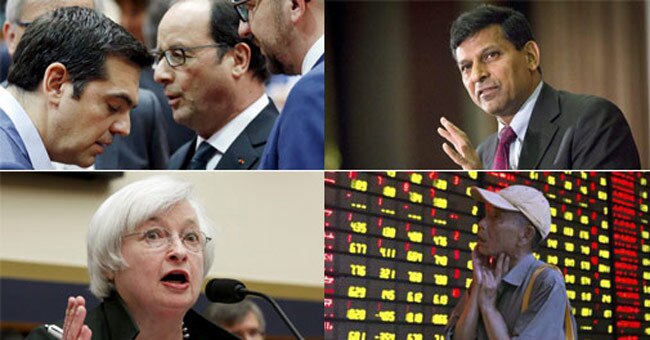
From the pro-investment Budget 2015-16 to four rate cuts by the RBI or from China's slowing economy to Fed's first rate hike, 2015, the year of reality check, threw big surprises that triggered steep volatility across capital and money markets globally. The year saw benchmark indices touching their lifetime highs in March, but the same year also saw the indices falling as much as 6 per cent in a single month (August). The year 2015 was indeed a year of rollercoaster ride.With a few sessions left, the S&P BSE Sensex is bidding adieu to this year with around 4.95 per cent fall. Following are 10 key market milestones that defined the year:
- 2/11
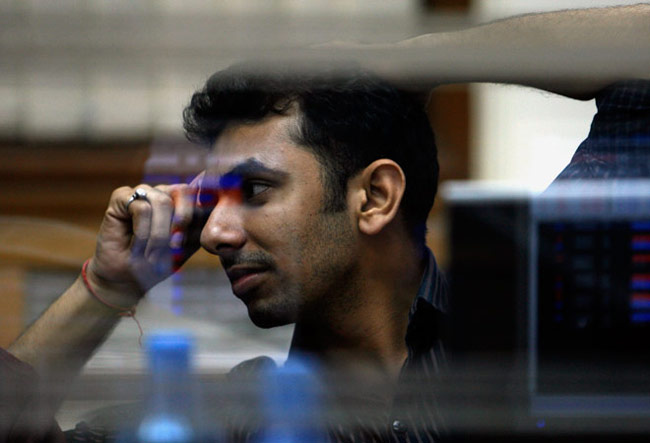
Global cues drag Sensex 855 points down: Just as the New Year kicked off, the S&P BSE Sensex, on January 06, 2015 witnessed its worst crash in five and a half years as stock markets globally went into a tailspin amid speculation about probable exit of Greece from the Euro region and oil prices cracking below $50 per barrel mark.The US benchmark contract briefly fell below $50 a barrel on the same day for the first time in more than five years on concerns about ample global supplies and weakening economic growth.
- 3/11
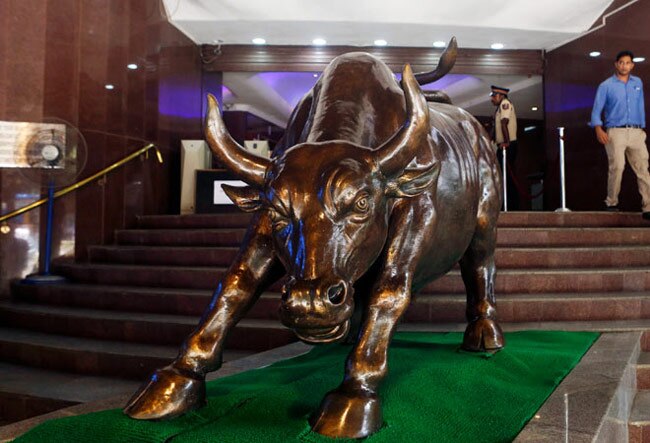
Pre-budget rally along with ECB stimulus: Riding on the hopes of a reform-oriented PM Narendra Modi's Budget 2015, the Sensex hit a lifetime high of 28829.29 on January 20, 2015, while CNX Nifty touched an all-time high of 8,707.90. Just a day before IMF had said India's economy would be world's fastest-growing major economy in the year through March 2017. Investors had also taken cues from global markets which rose on speculation of European Central Bank's quantitative easing measure that week aiming at spurring Europe's ailing economy.
- 4/11
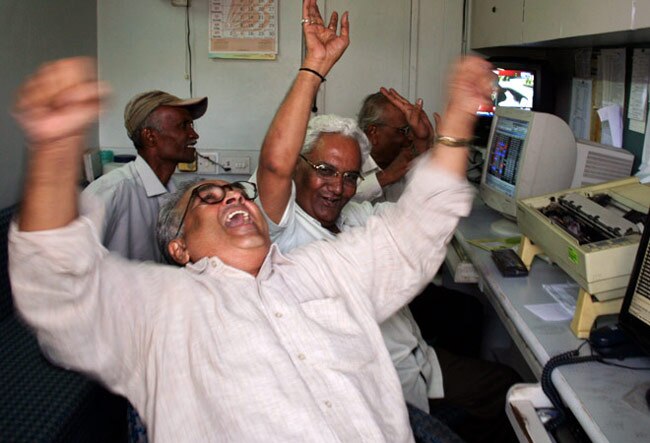
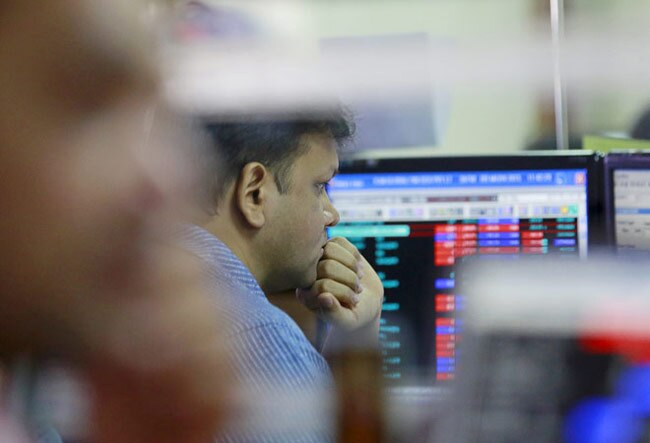
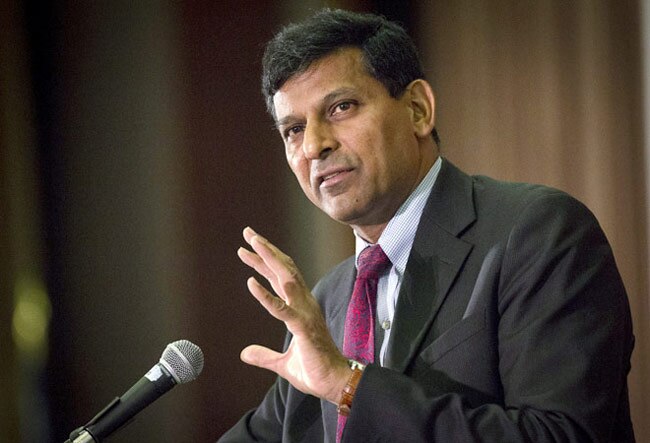
Historic 30,000 mark on Sensex and subsequent same day fall: A surprise rate cut by RBI on March 04, 2015 powered the Sensex to cross the historic 30,000 mark, while broader CNX Nifty conquered the 9,100 milestone.However, sustained selling across sectors dragged down the Sensex by a sharp over 700 points from day's high at the closing.RBI Governor Raghuram Rajan had surprised the street in March for the second time in two months by cutting the benchmark interest rate by 0.25 per cent, that too in an out-of-turn policy action.
- 5/11
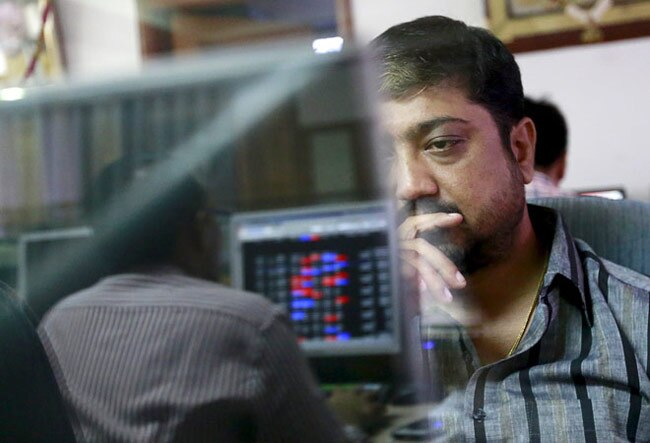
When Salman Khan conviction, GST fears dragged Sensex down: Stock market witnessed another bloodbath on May 6, 2015 with the BSE Sensex tanking 723 points on huge sell-off by FIIs on concerns over GST and other reforms.Across-the-board sell-off was triggered by concerns that reform process may get delayed as the key GST bill faced strong political opposition even as it got through Lok Sabha.
- 6/11
Delay in reforms continued to spook Sensex: Another setback to Sensex followed soon after on May 12, 2015 when it ended 630 points down as investors dumped domestic shares on worries that the government's decision to refer the key bills on land acquisition and the goods and services tax to select committee of Parliament will further delay their implementation.
- 7/11
RBI's June 2 monetary policy and markets: Sensex nosedived 660 points on June 2, 2015 after RBI took a cautious stance on the economic recovery even as it cut policy rates by 25 basis points. The 30-share index ended down 660.61 points to settle at 27,188.38. Similarly, Nifty fell 196.95 points to close at 8236.45.In its second bi-monthly policy review, the Reserve Bank of India had cut interest rate by 0.25 per cent for the third time by June.
- 8/11
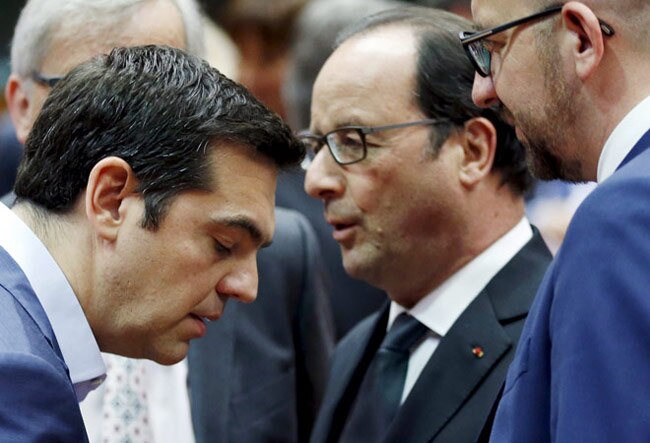
Greece crisis: Greece came closer than ever to crashing out of the euro, defaulting on an International Monetary Fund loan. A referendum on a third international bailout was called in late June after the Syriza government called off talks with creditors. Deep political turmoil ensued, finance minister Yanis Varoufakis resigned and capital controls were introduced. A bailout was eventually agreed weeks later, but not before 2-year Greek yields soared to 60 per cent and volatility spread through world markets including Indian markets, but benchmark indices logged no major losses.
- 9/11
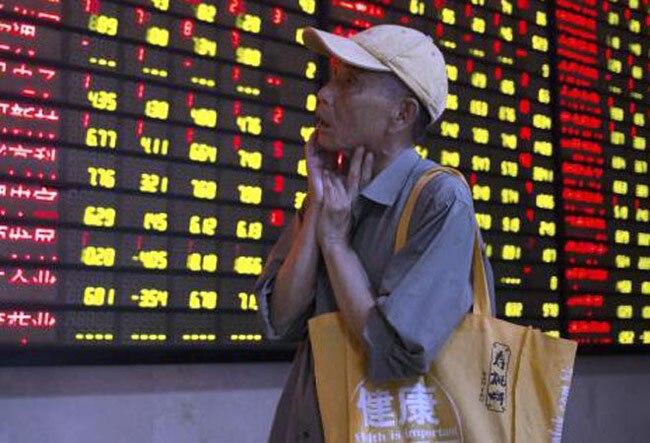
When Sensex plunged a whopping 1,625 points on China crackdown: The domestic markets fell the most in seven years on August 24. The Sensex fall of 1,625 was the fourth-largest in market's history and was triggered by China woes that sustained for a long haul. Selling was fuelled by the perception that Chinese government was increasingly powerless to halt the tide despite taking a wide range of measures. Beijing had devalued the yuan on August 11. Investors feared China could be forced to devalue the yuan even more as the world's second-largest economy continued to sputter.
- 10/11
RBI monetary policy and US Federal Reserve meeting in September: US Central Bank decided to stay put on US interest rates in its September policy meeting, while back home RBI surprised the Dalal Street with unexpected 50 bps rate cut. Both the events witnessed no notable gains or losses on Sensex and Nifty.
- 11/11
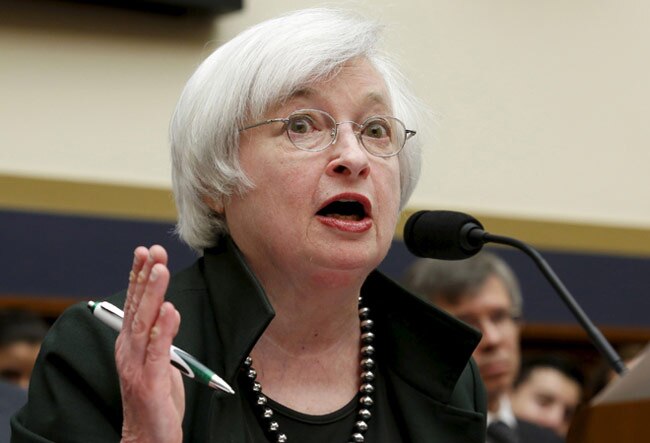
The D-day for US Fed eventually arrives!: After a few false starts - most notably the "Taper Tantrum" in May 2013 and September this year - the Fed finally hiked interest rates in US for the first time since June 2006. Emerging markets like India might have appeared vulnerable to Fed rate hike, but they welcomed the move on a cheerful note with Sensex closing 309 points up, while NSE Nifty settling at 7,844 on December 17.