
10 facts you should know about ISRO's 'South Asia Satellite' GSAT-9
10 facts you should know about ISRO's 'South Asia Satellite' GSAT-9
BusinessToday.In
- May 5, 2017,
- Updated May 5, 2017 5:07 PM IST
- 1/10
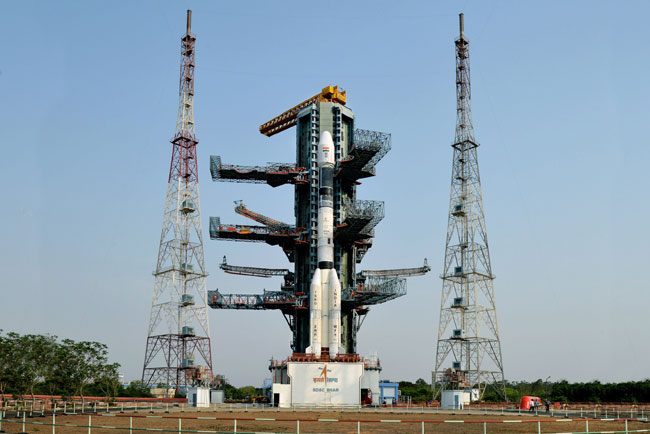
India's Geosynchronous Satellite Launch Vehicle (GSLV-F09) carrying GSAT-9, is launched today at 4.57 pm.
- 2/10
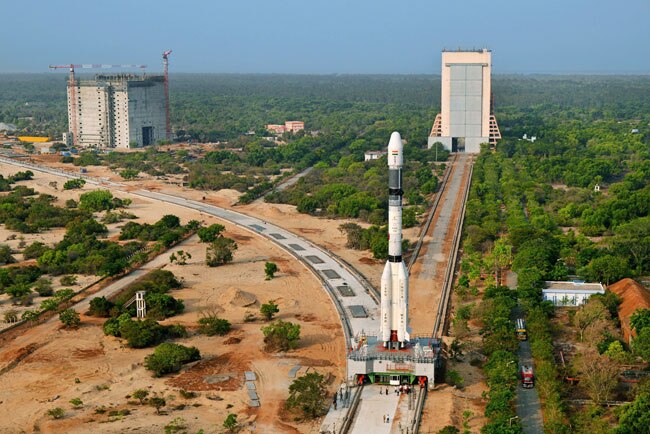
GSLV-F09 is launched from the Second Launch Pad (SLP) at Satish Dhawan Space Centre SHAR (SDSC SHAR), Sriharikota.
- 3/10
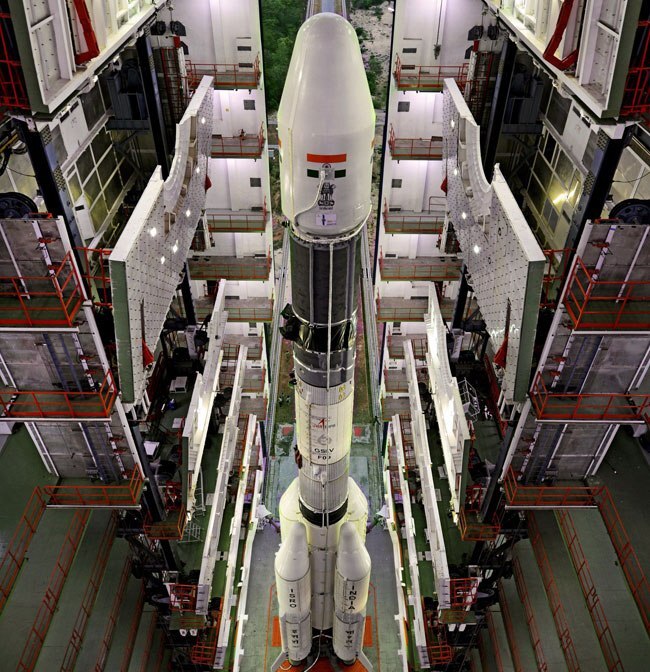
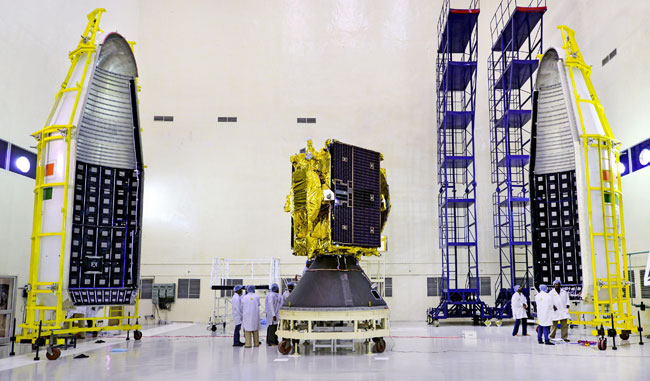
GSAT-9 is a Geostationary Communication Satellite with the objective to provide various communication applications in Ku-band with coverage over South Asian countries.
- 4/10
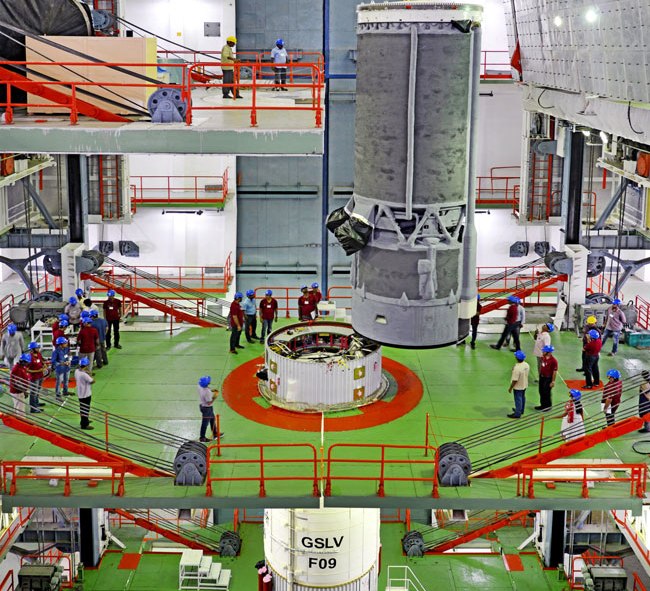
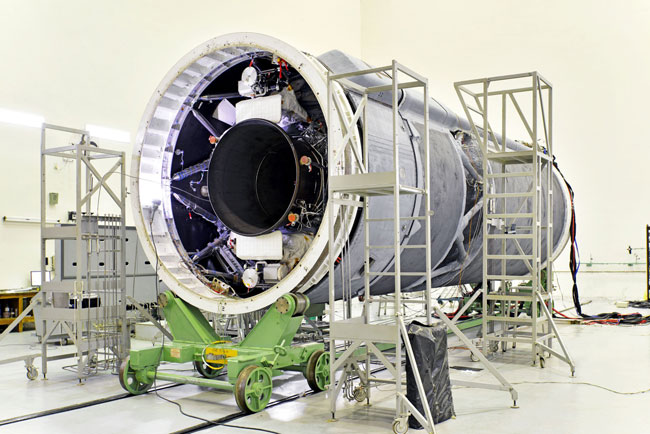
GSLV-F09 mission is the eleventh flight of GSLV and its fourth consecutive flight with the indigenous Cryogenic Upper Stage (CUS).
- 5/10
The satellite, costing around Rs 235 crore, is meant for providing communication and disaster support, connectivity among the countries of South Asia region.
- 6/10
The South Asia Satellite has 12 Ku band transponders which India's neighbours can utilise to increase communications. Each country will get access to at least one transponder through which they could beam their own programming and there could be common 'south Asian programing' as well.
- 7/10
These neighbours will together benefit to the tune of Rs 10,000 crore ($1.5 billion) over the satellite's 12-year lifespan.
- 8/10
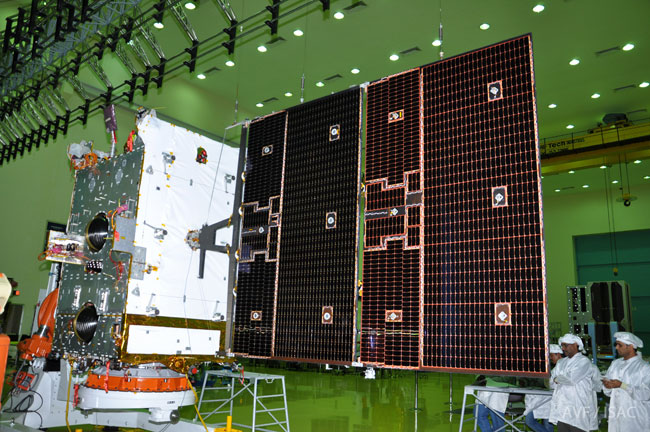
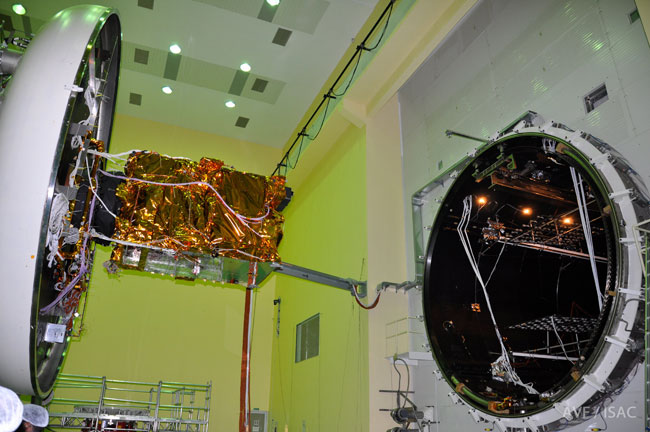
GSAT-9 is configured around the ISRO's standard I-2K bus, with lift off mass of 2230 kg. The main structure of the satellite is cuboid in shape built around a central cylinder.
- 9/10
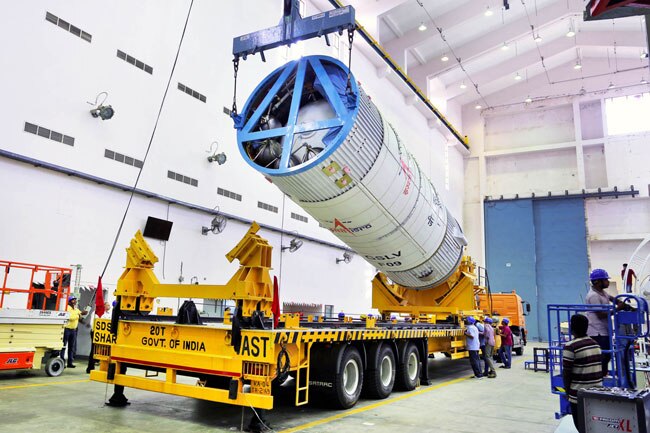
The nearly 50-m-tall rocket that weighs about 412 tons will carry what is now dubbed as the 'South Asia Satellite' or what the Indian Space Research Organisation (ISRO) still prefers to call GSAT-9.

- 10/10
After coming to power in May 2014, Prime Minister Narendra Modi had asked ISRO scientists to develop a SAARC satellite that can be dedicated to neighbouring countries as a "gift from India."