
China’s Maglev Beast can kill flights: At its current speed, this train can hit Delhi to Mumbai in just 2 hrs
China's maglev train hits 650 km/h, rivaling jets without leaving the ground. With AI, superconductors, and zero friction, it could kill short-haul flights forever.
- Jul 15, 2025,
- Updated Jul 15, 2025 12:18 PM IST
- 1/9
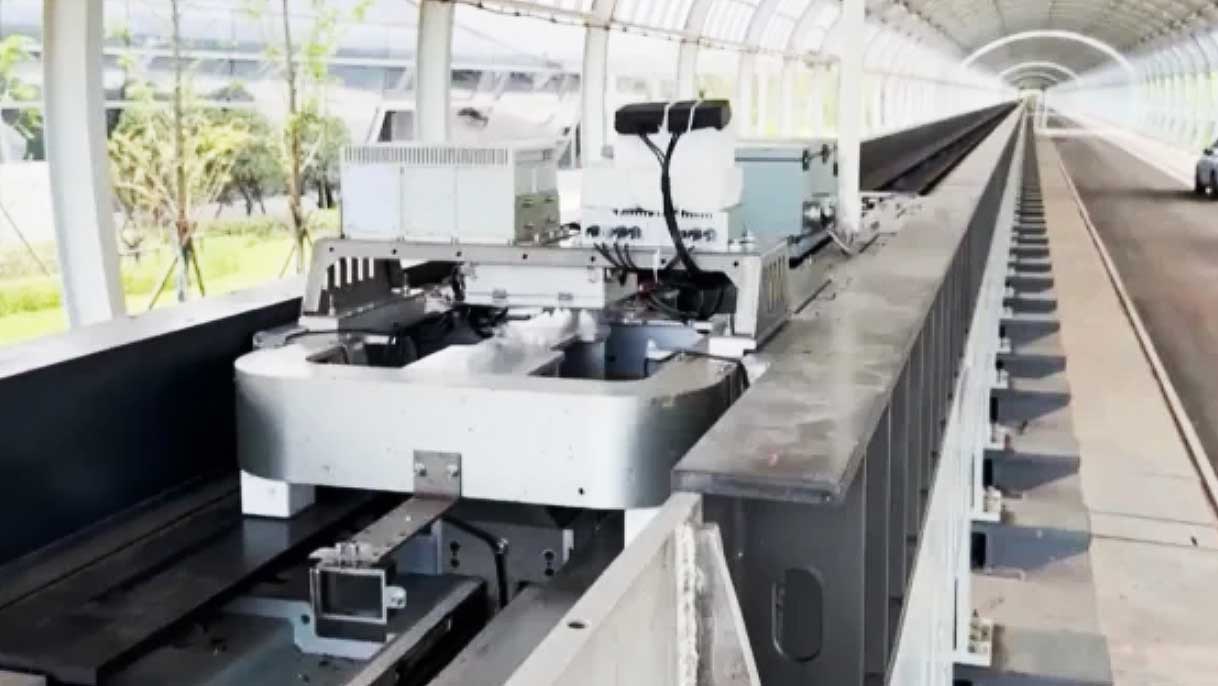
A Chinese maglev train just hit 650 km/h—faster than most jets—without ever leaving the ground. It levitated, accelerated, and stopped in under a kilometer. Is this the beginning of the end for short-haul flights?
- 2/9
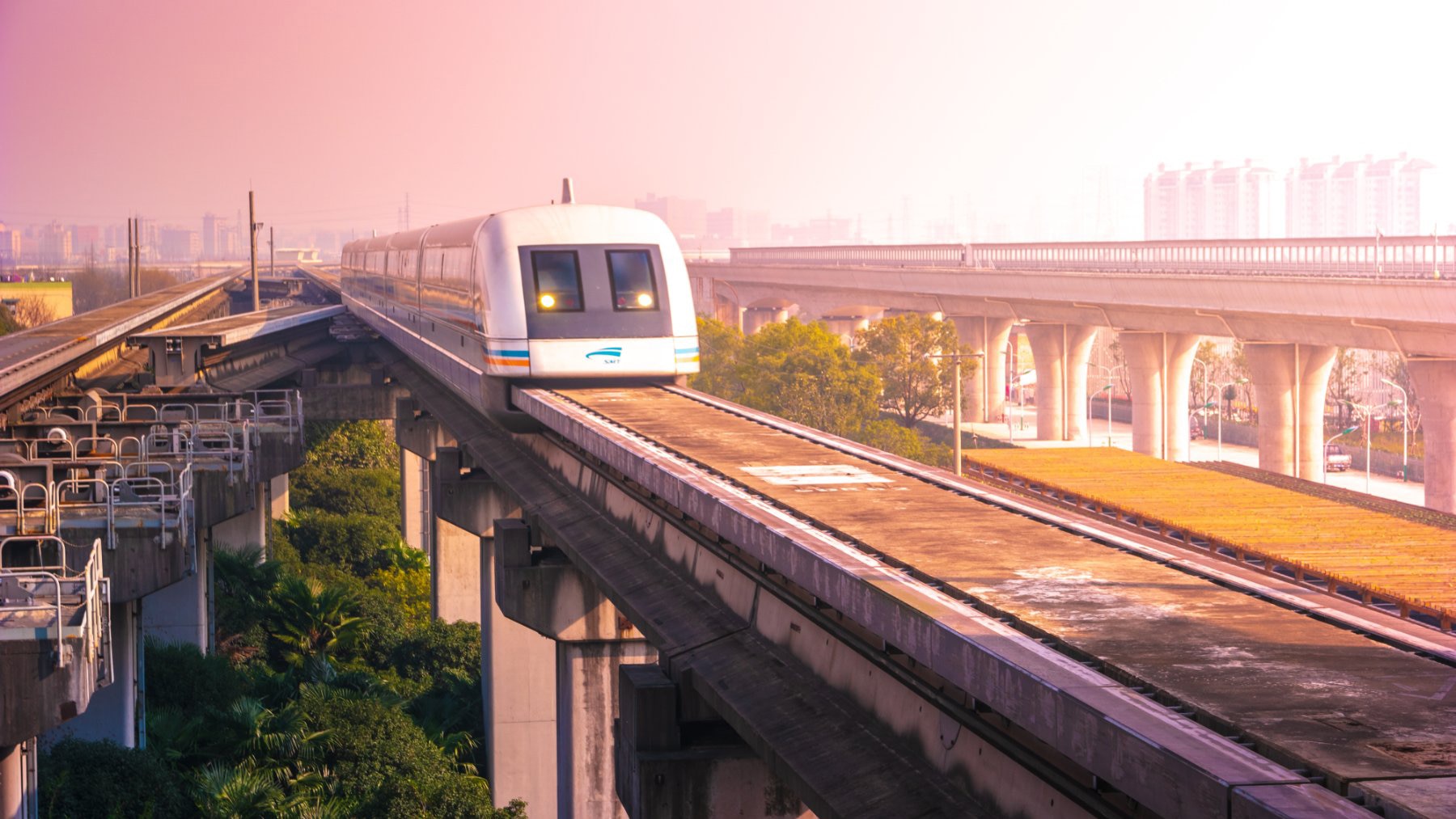
Zero wheels, zero drag. China’s superconducting maglev train floats on invisible force fields, racing at jet speeds with less noise than a vacuum cleaner. Engineers call it “the smoothest ride on Earth.”
- 3/9
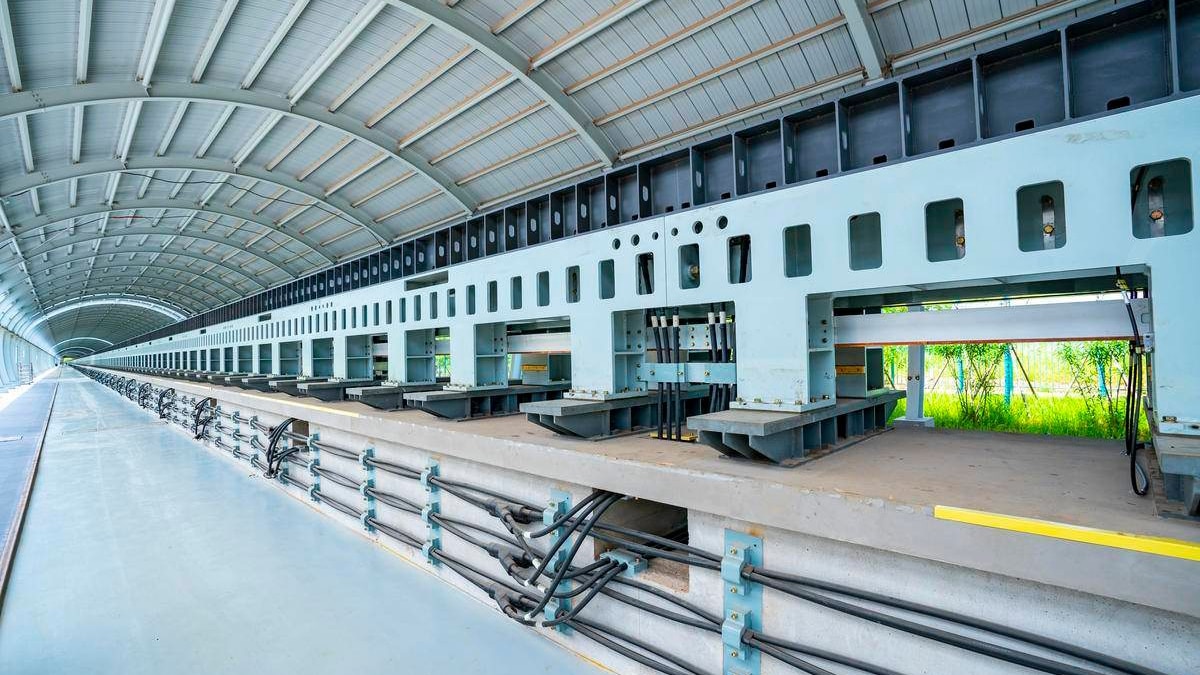
50 km/h in 7 seconds. That’s the same G-force astronauts feel during liftoff. Inside China's futuristic test track, the maglev isn’t just fast—it’s borderline space-age.
- 4/9
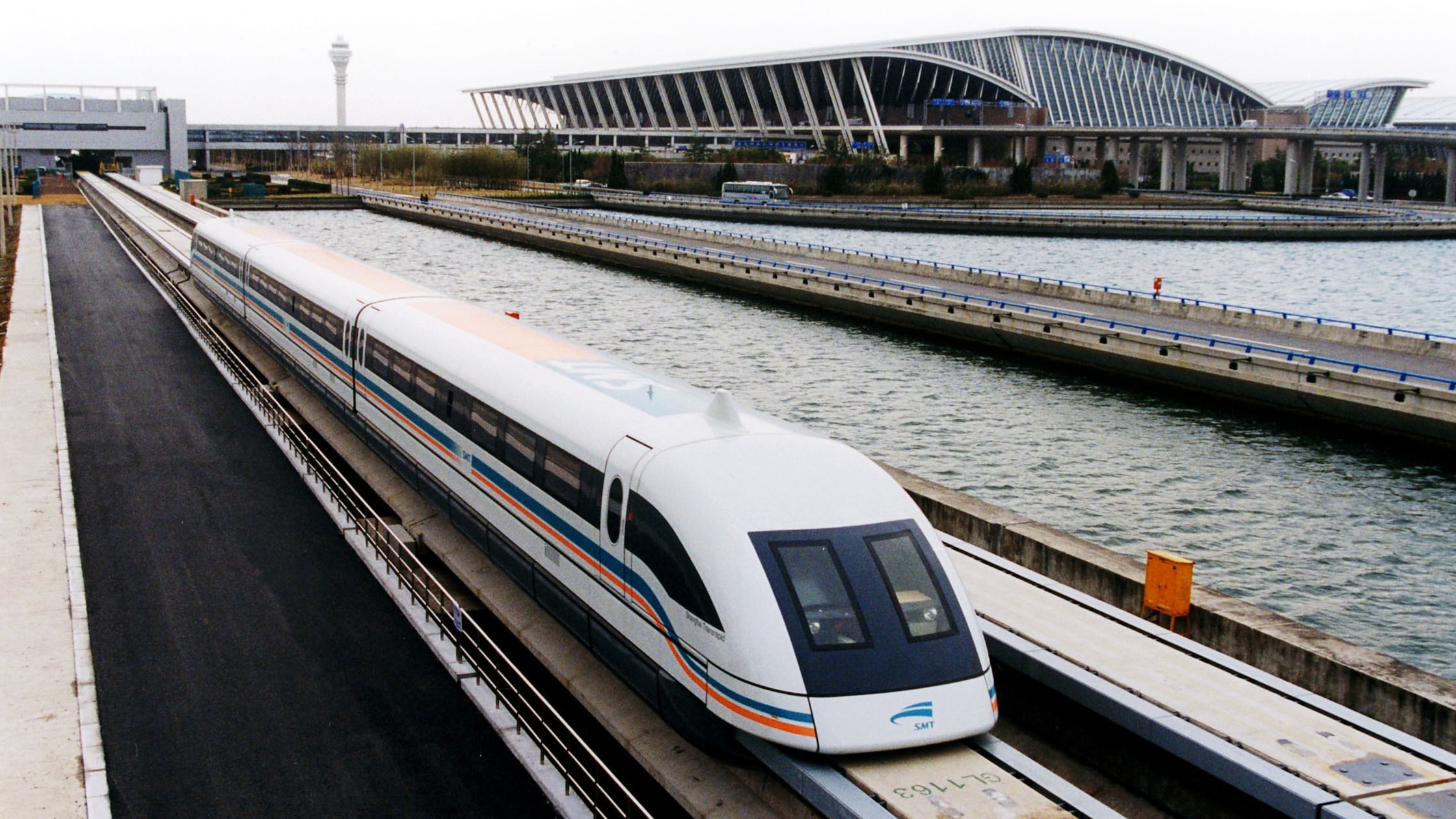
Imagine breakfast in Beijing and lunch in Shanghai—2.5 hours apart by maglev. That's not hypothetical; it's what this next-gen train promises to deliver across China’s urban sprawl.
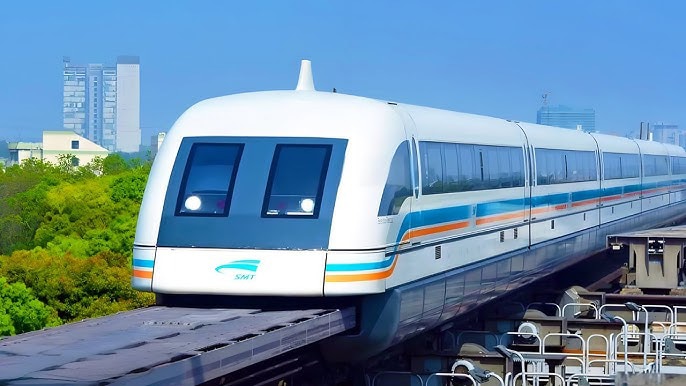
- 5/9
No driver. No steering wheel. Just AI, 5G, and sensors so precise they can track the train’s position within 4 millimeters. China’s maglev isn’t just fast—it’s practically sentient.
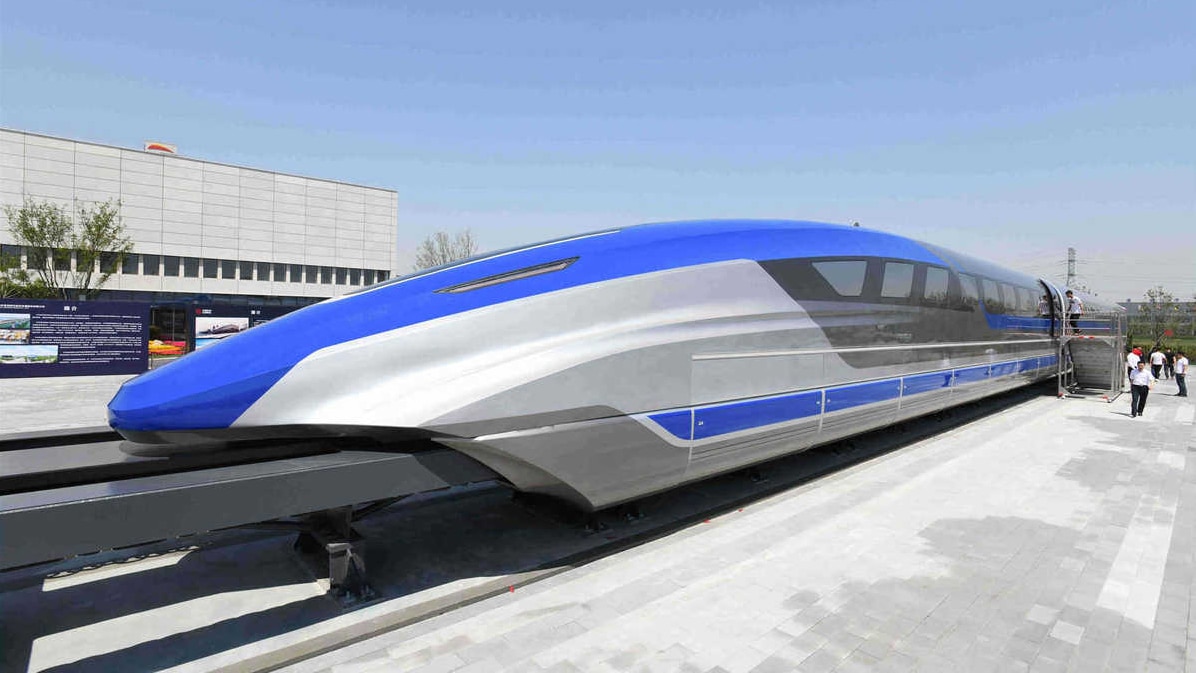
- 6/9
The train’s levitation trick? Supercooled magnets hotter than sci-fi. By harnessing high-temperature superconductors, Chinese engineers may have solved the holy grail of magnetic transport.
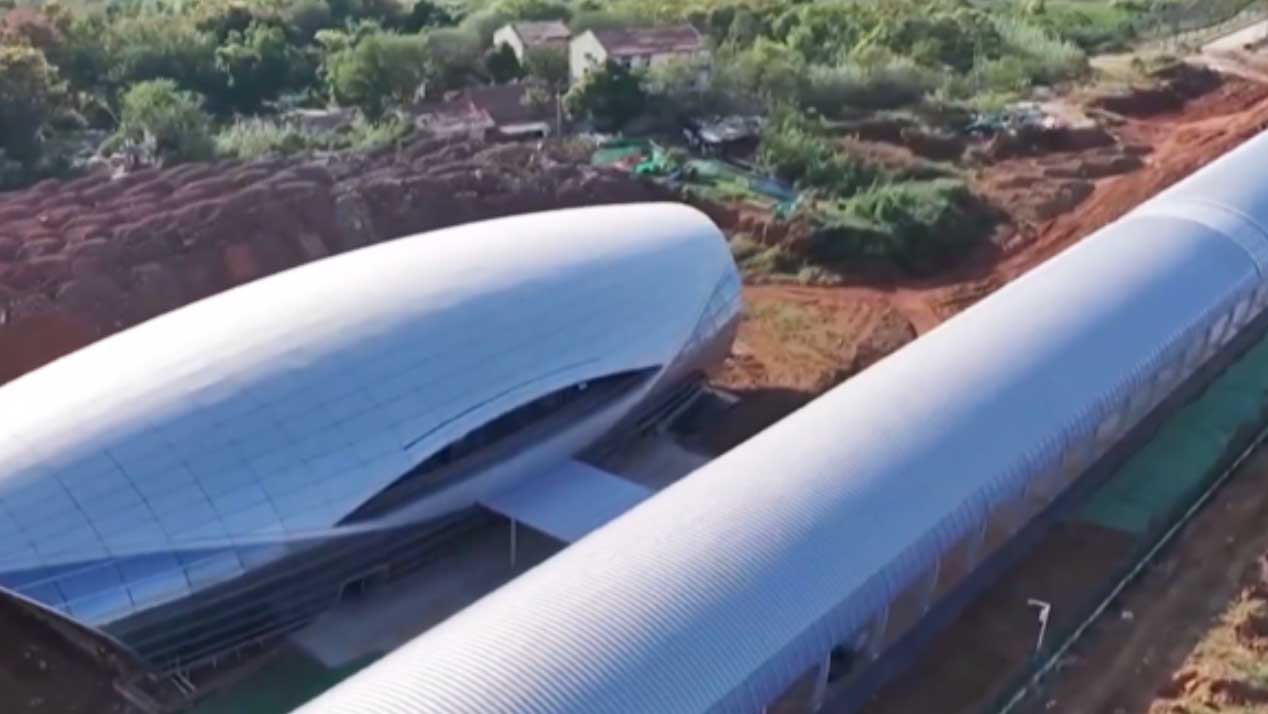
- 7/9
From 650 km/h to zero in just 220 meters—safely. That’s less than three football fields. This train doesn’t just go fast; it stops like a stunt driver on a dime.
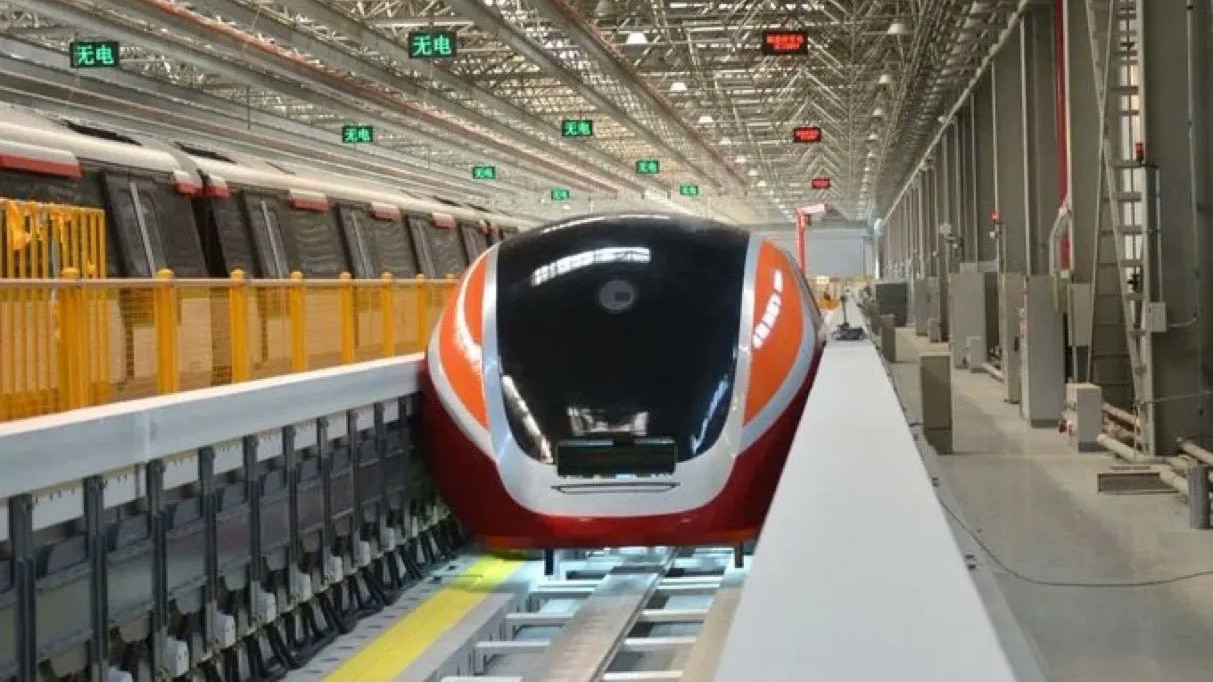
- 8/9
Why wait in airports when a train could cover Delhi to Mumbai in 2 hours? China's maglev tech hints at a post-airline future for distances under 2,000 km. Turbulence? Not here.

- 9/9
This isn’t just transport—it’s geopolitics. With each kilometer of maglev track, China isn’t just building trains; it’s laying steel foundations for global tech dominance.