
How 1 tiny decoy fooled 3 missiles: Inside the X-Guard tech Pakistan never saw coming
India's X-Guard tech fooled Pakistan’s missiles in May 2025. This AI-powered decoy mimicked Rafales, absorbing hits and triggering false kill claims in real-time warfare deception.
- Jul 9, 2025,
- Updated Jul 9, 2025 12:41 PM IST
- 1/9
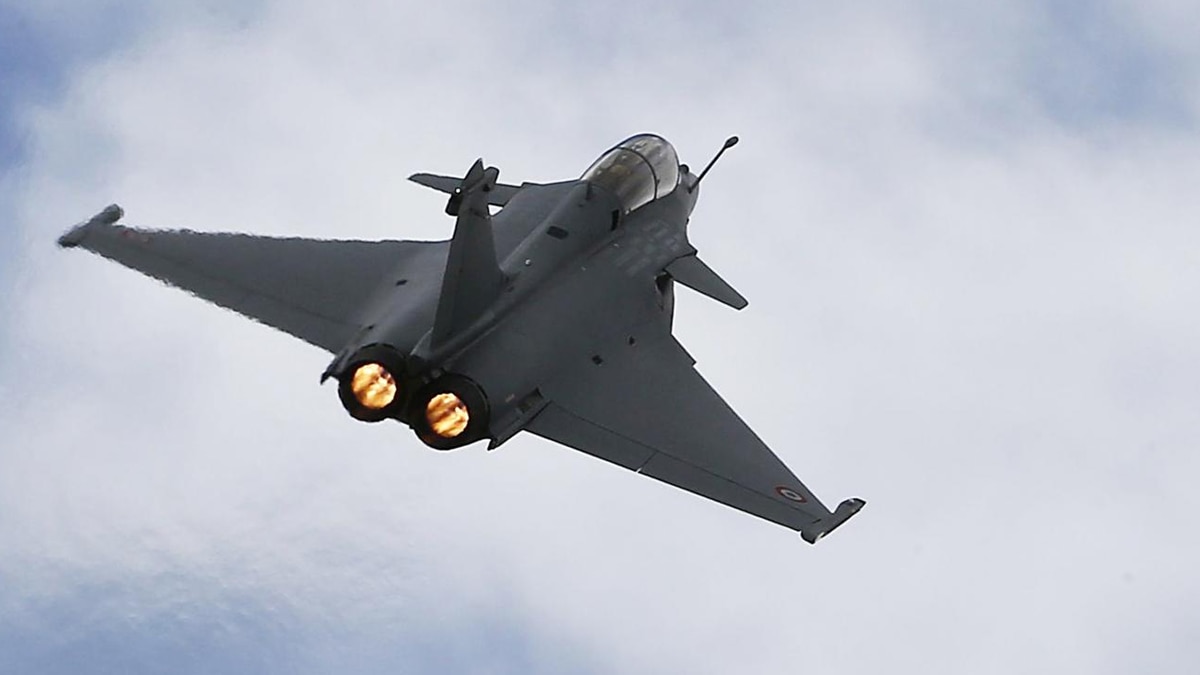
Pakistani pilots swore they downed Rafales—but they only nailed decoys. India’s X-Guard fooled radar, missiles, and even combat footage in a masterclass of military misdirection.
- 2/9
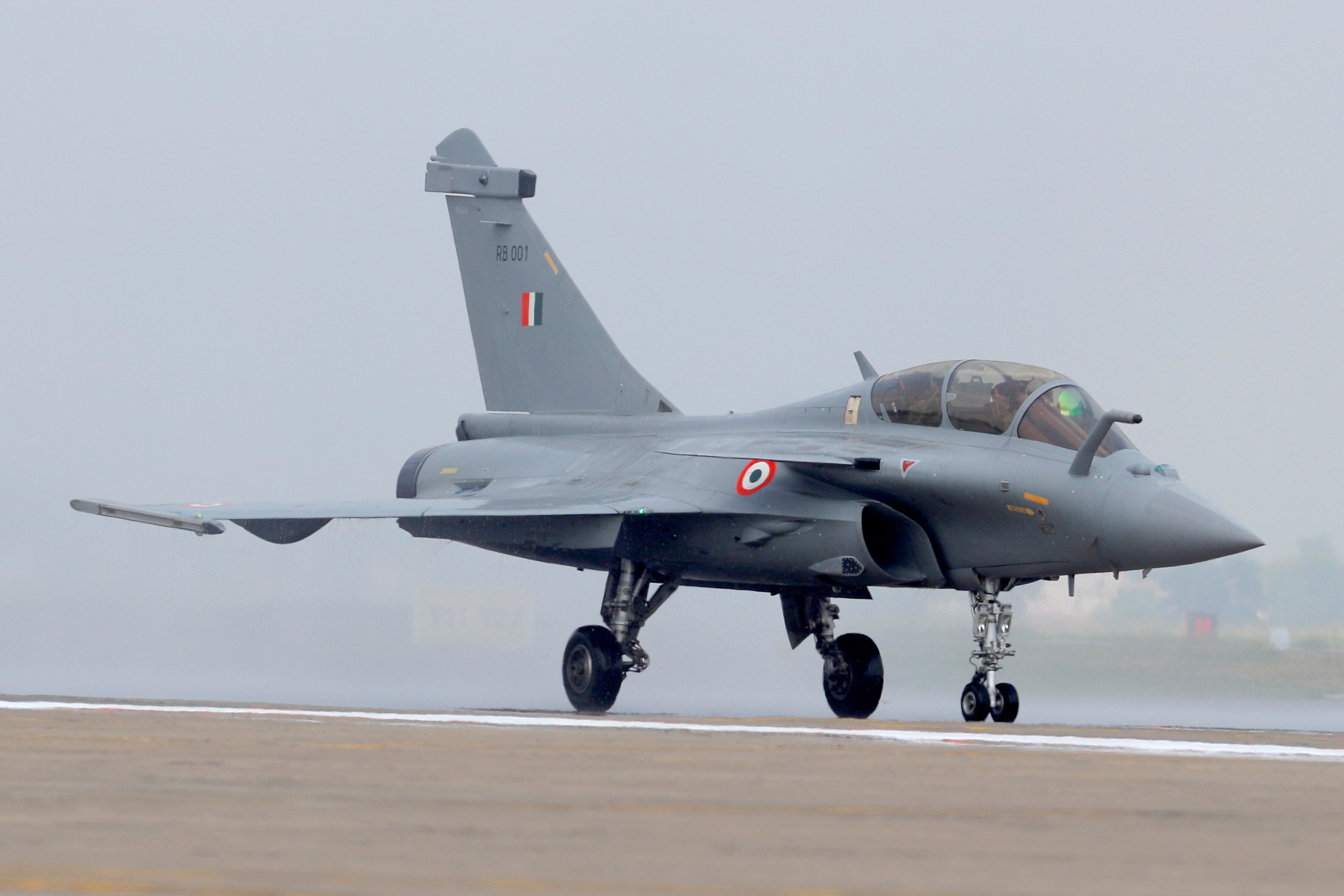
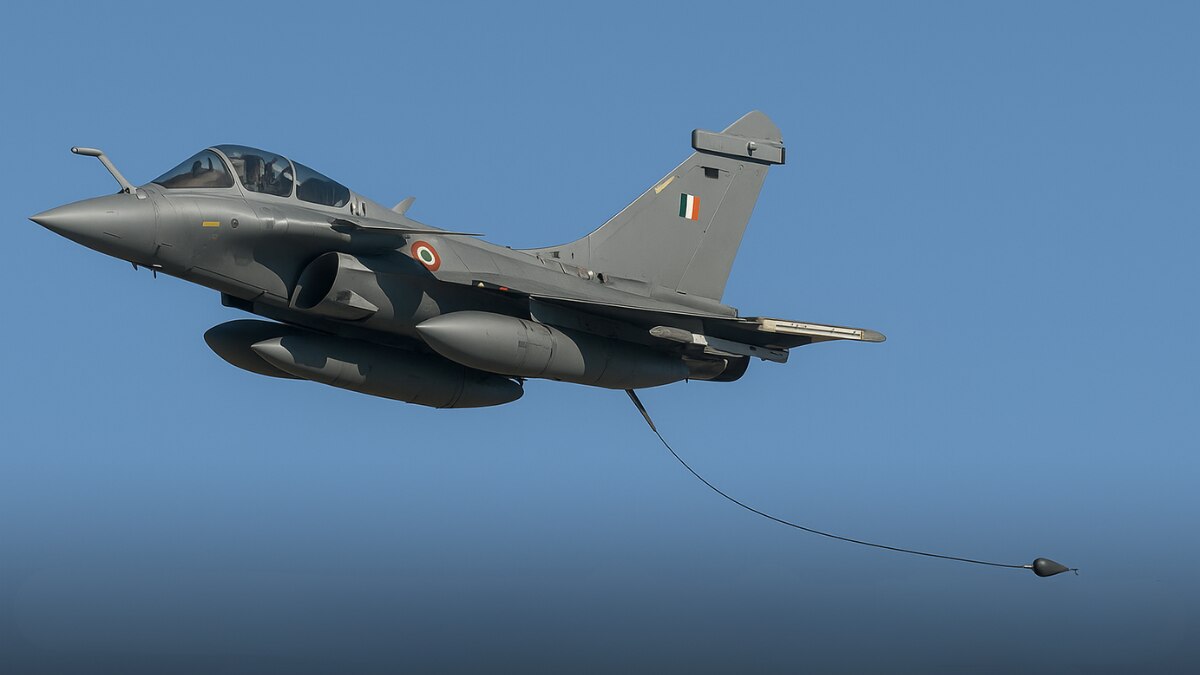
Towed 100 meters behind a Rafale, the X-Guard mimics jet movements so precisely, even Chinese-made PL-15E missiles can’t tell it’s a bluff. It’s a flying lie—and it works.
- 3/9
At just 30 kg, the X-Guard behaves like a real fighter jet in the sky, using AI and 500-watt jamming to become a ghost twin that absorbs enemy fire before it hits flesh and metal.

- 4/9
In May 2025, Pakistan fired missiles. India let them. X-Guards soaked up the hits, while real Rafales watched, intact, from a safe distance. The decoys even fed false kill confirmations.

- 5/9
Pakistan’s prized PL-15Es homed in like bloodhounds—on decoys. Lacking anti-spoofing tech, the missiles became million-dollar duds thanks to a 2-second deployable fiber-optic bluff.

- 6/9
Even AESA radars on Pakistan’s J-10Cs couldn’t tell fake from real. The X-Guard didn’t just dodge detection—it actively fed back a perfect mimic signal. Radar truth? Optional.
- 7/9
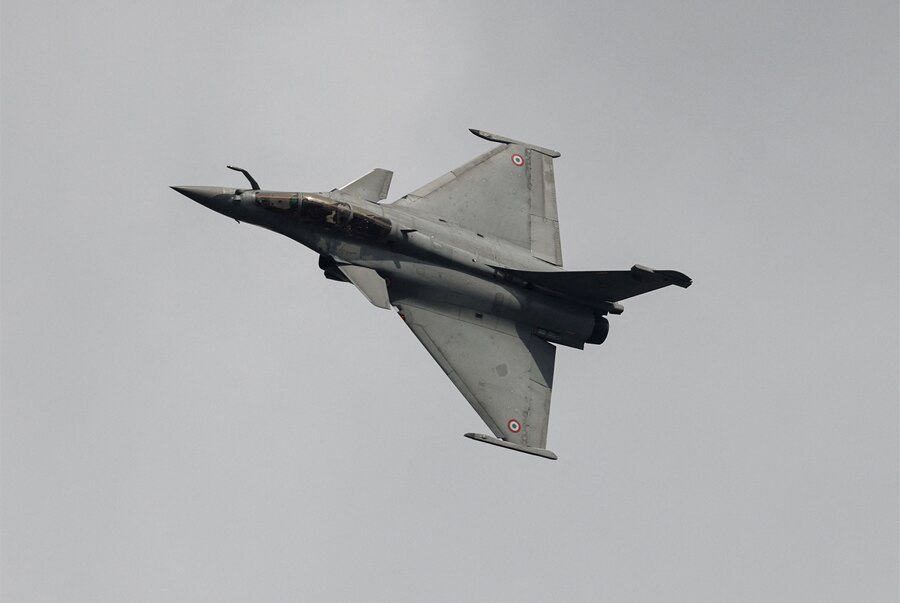
What looks like a Rafale, flies like a Rafale, and disappears before impact? In Operation Sindoor, the X-Guard made deception a doctrine. Pakistan never saw the real threat coming.
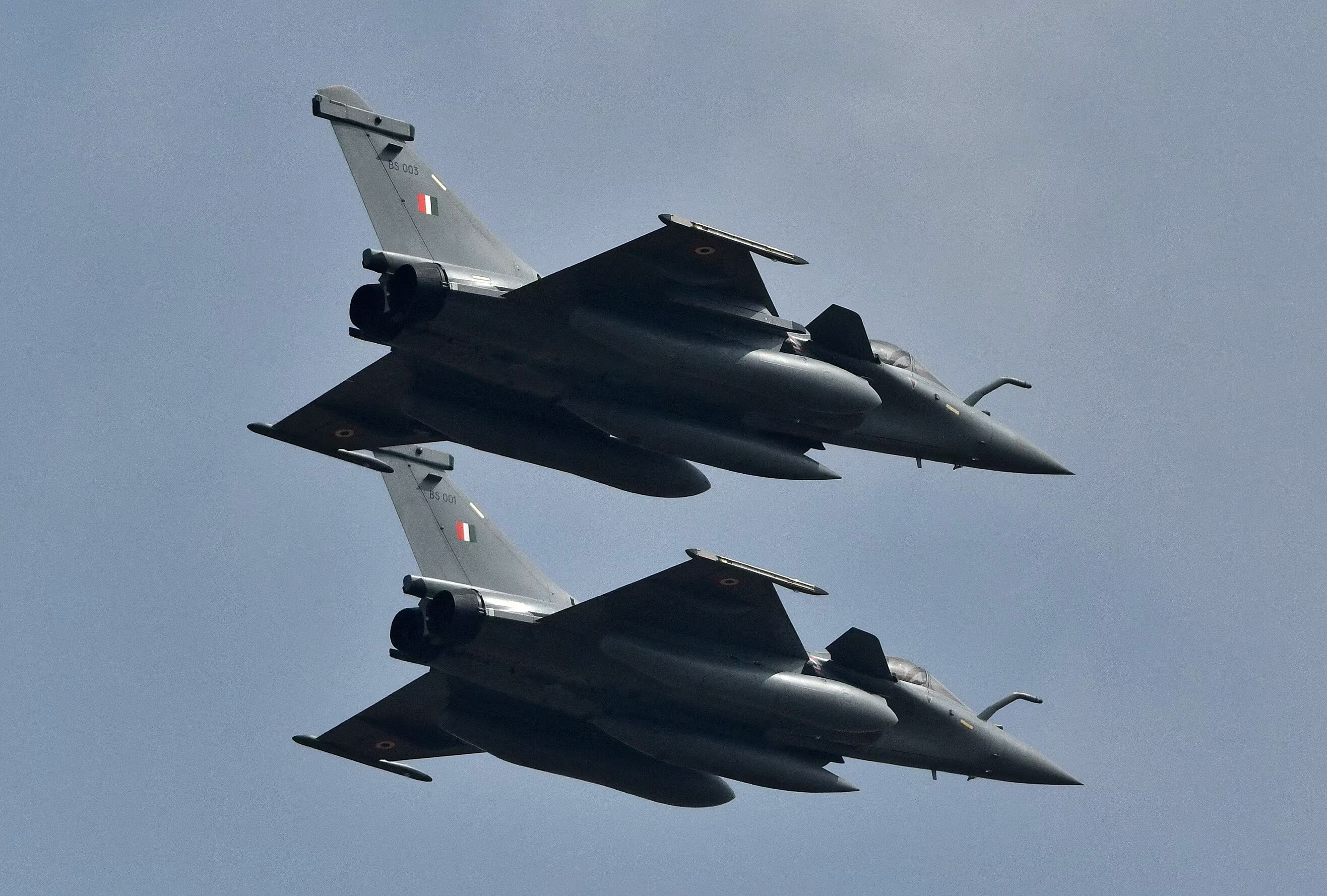
- 8/9
Indian pilots got real-time updates through a fiber-optic feed, letting them dodge missiles and even retrieve the X-Guard after combat. The decoy wasn't just bait—it was a tool.

- 9/9
A U.S. Air Force veteran called it “the best spoofing and deception we’ve ever seen.” The X-Guard has quietly redrawn the lines of 21st-century electronic warfare—and Pakistan learned it the hard way.