
The power behind Charanasparsha in India: More than just a bow to elders
Charanasparsha, the Indian tradition of touching feet, is more than a gesture—it's an ancient energy exchange of respect, blessings, and spiritual connection across generations.
- Jul 15, 2025,
- Updated Jul 15, 2025 2:19 PM IST
- 1/9
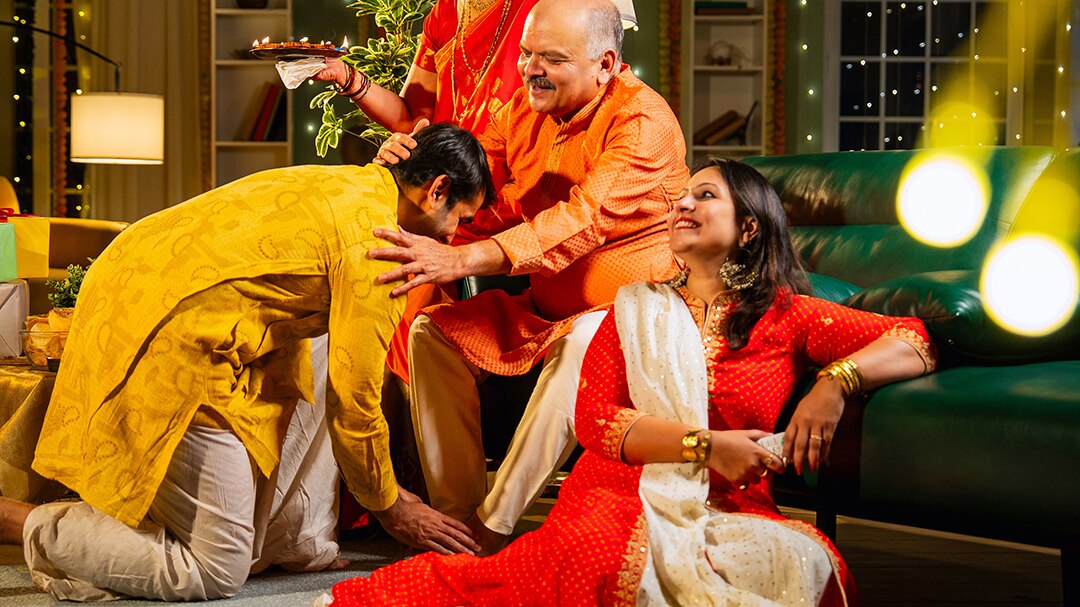
Cross your hands, bow low—this isn’t just tradition. Some believe it completes an energy loop from elder to seeker, transferring blessings through an invisible current of goodwill.
- 2/9
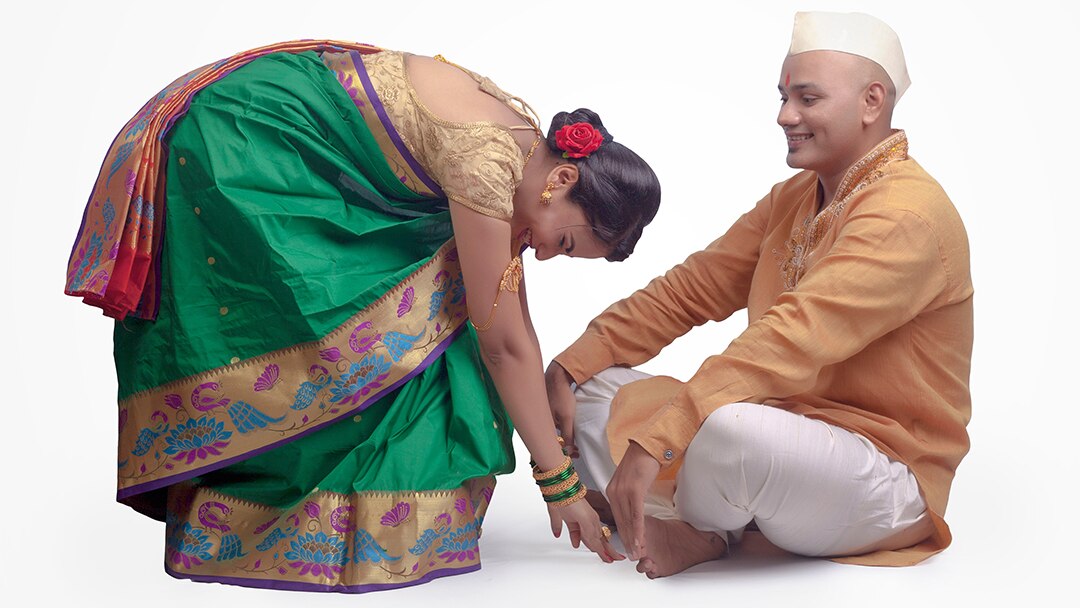
In Hindu thought, the dirtiest part of the body can also be the most revered. Why? Because feet have "walked through more life"—accumulating wisdom that’s passed on when touched.
- 3/9
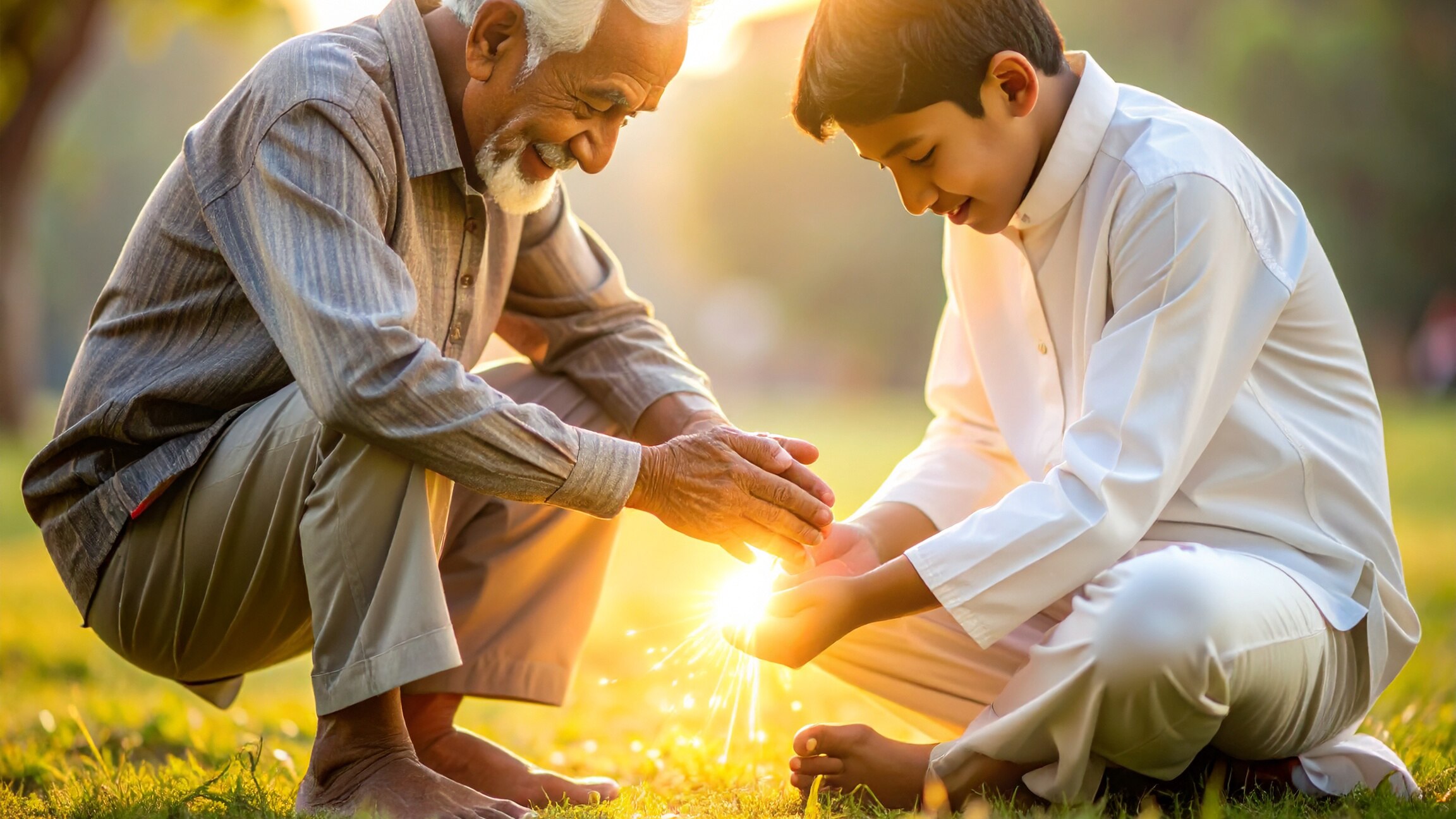
Charanasparsha isn’t about lowering yourself—it’s about lifting others. The act bends the body but elevates the spirit, reinforcing bonds of love, learning, and lineage.
- 4/9
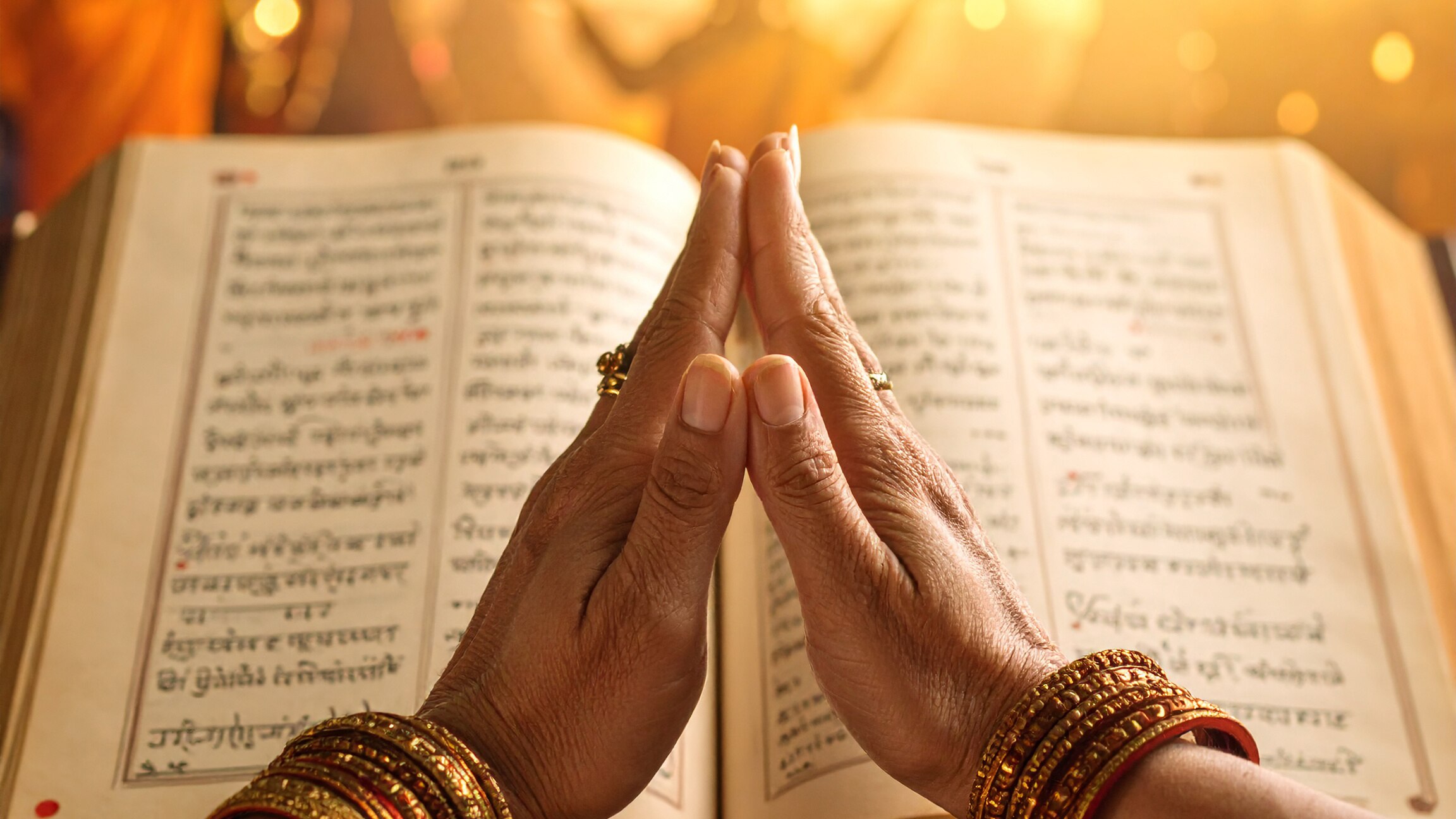
Mentioned in Puranas and Dharmashastra, the practice has thousands of years of scriptural backing. It’s not just a ritual—it’s a spiritual signature of intergenerational respect.
- 5/9
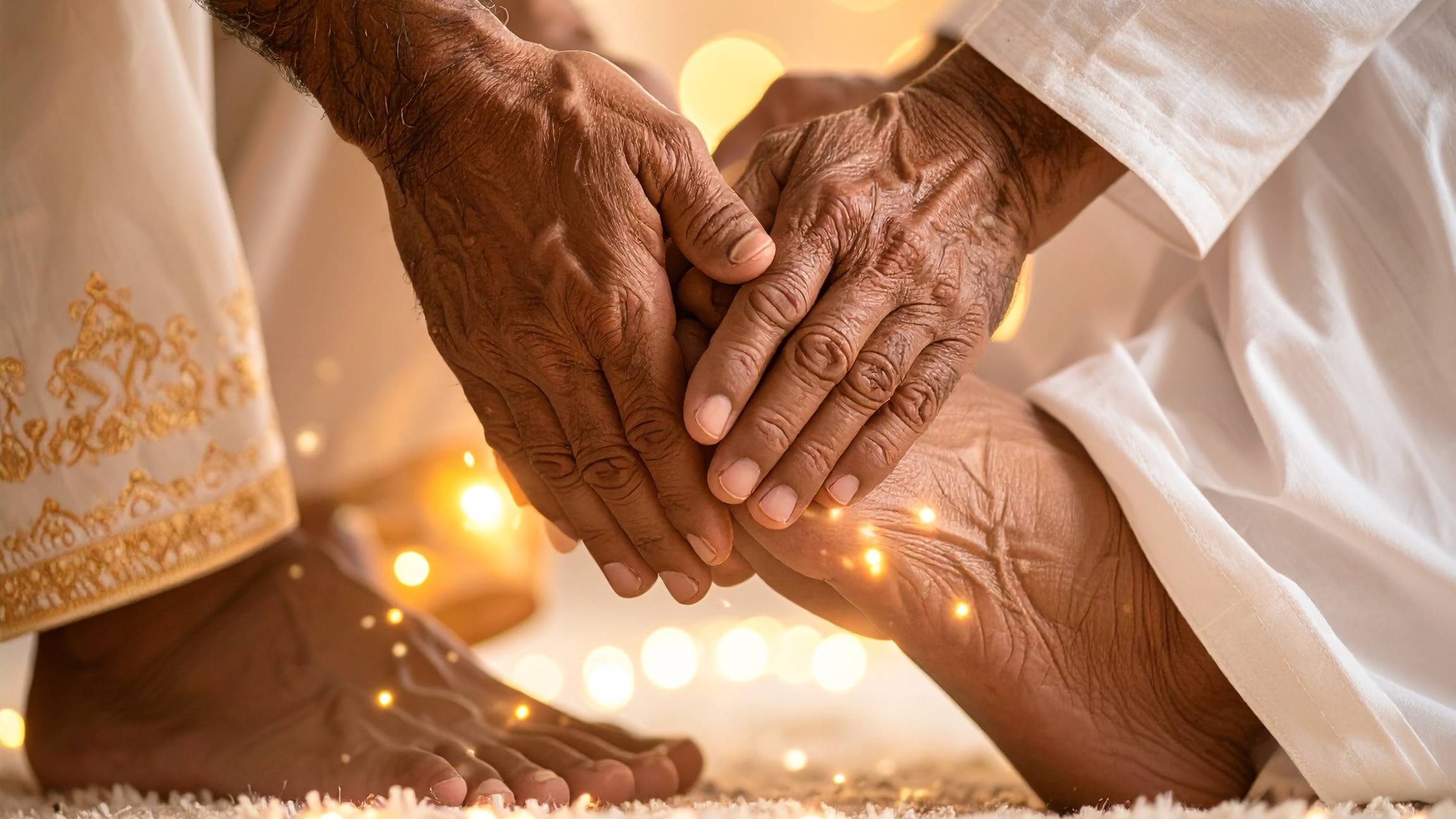
Anthropologists argue that foot-touching encodes hierarchy into muscle memory. Respect becomes reflex. Deference is trained not just in thought, but posture.
- 6/9
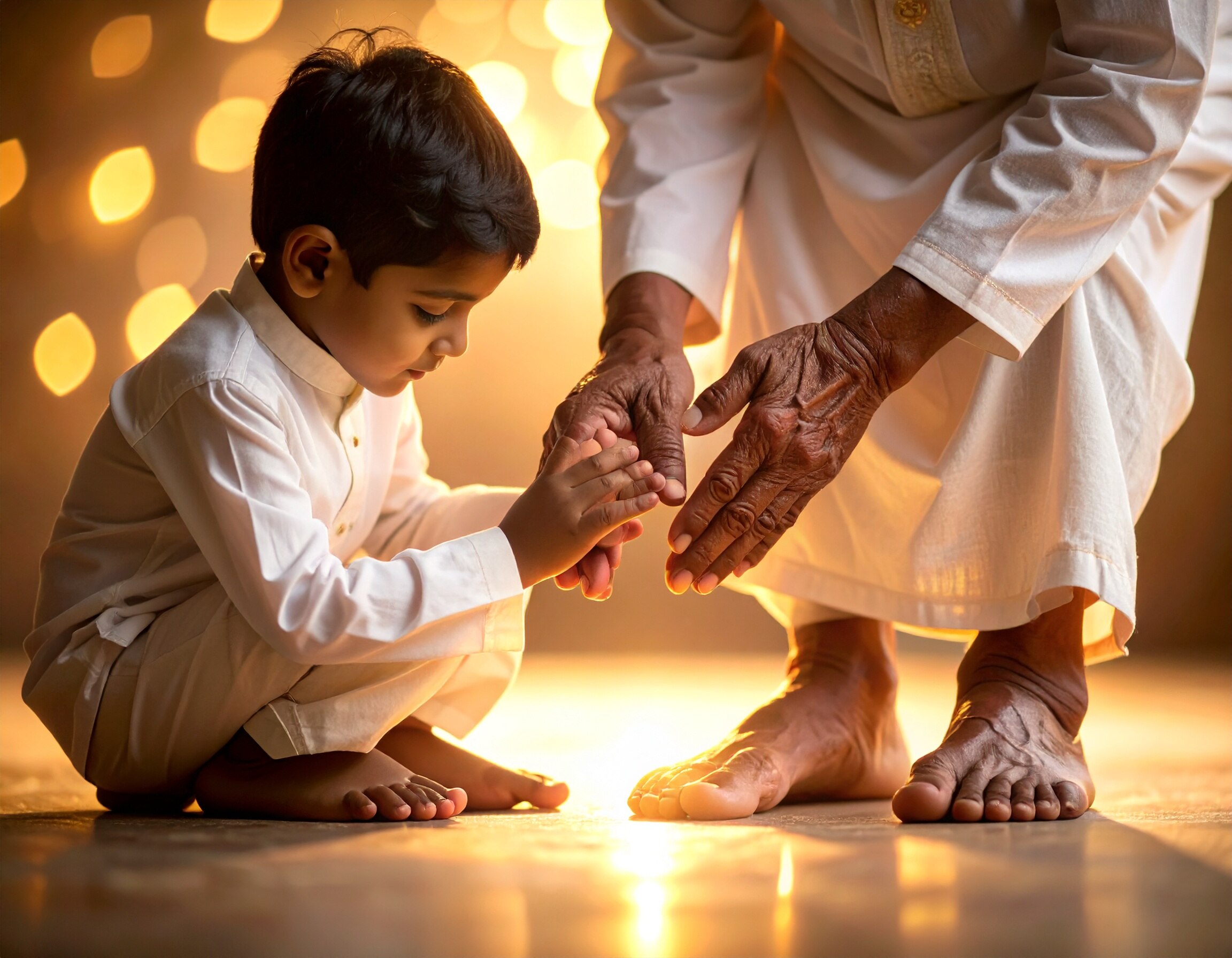
The moment a head bows and a hand lifts to bless—some say it’s a spiritual handshake, sealing unspoken love, karma, and ancestral power in one graceful exchange.
- 7/9
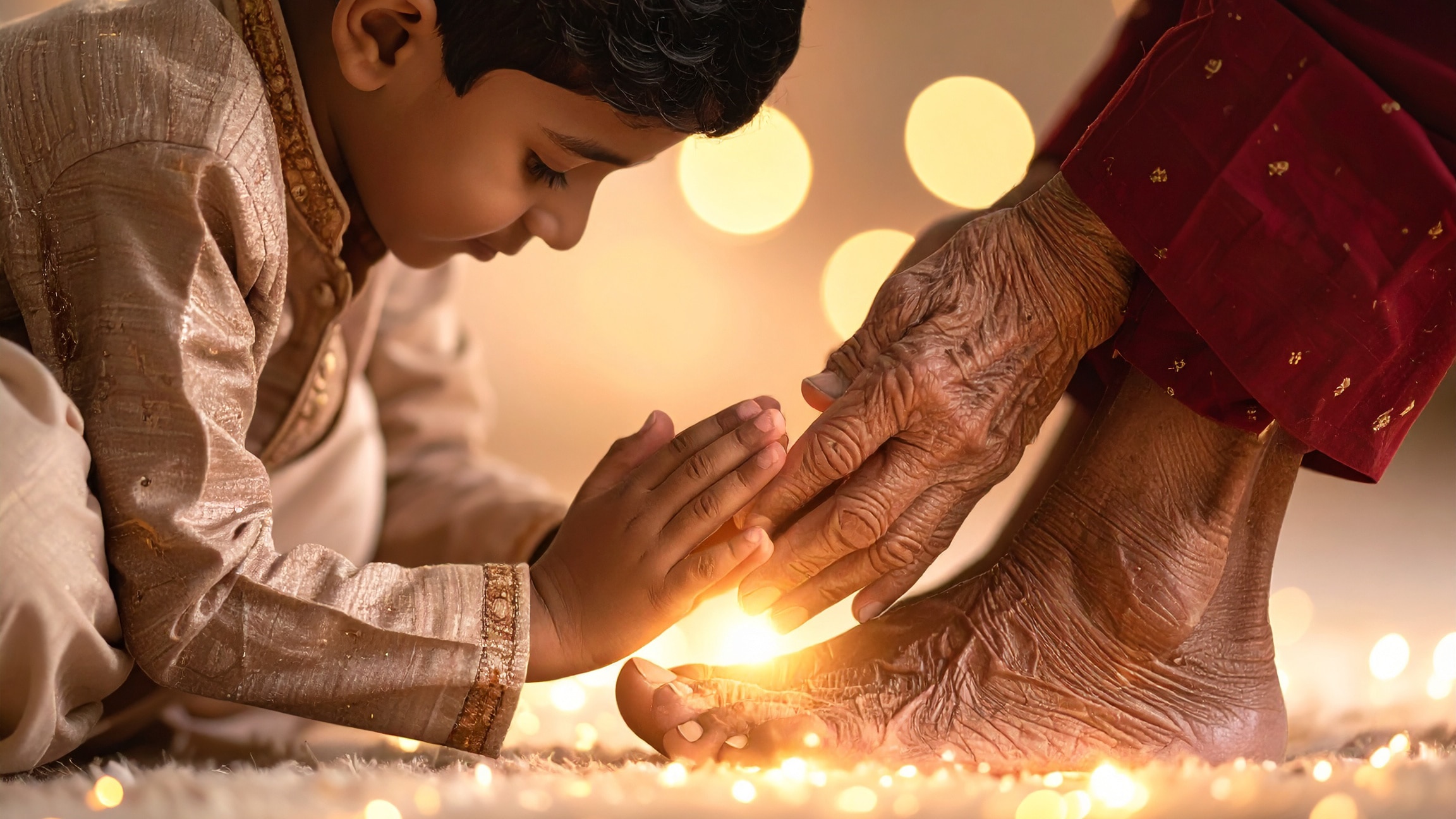
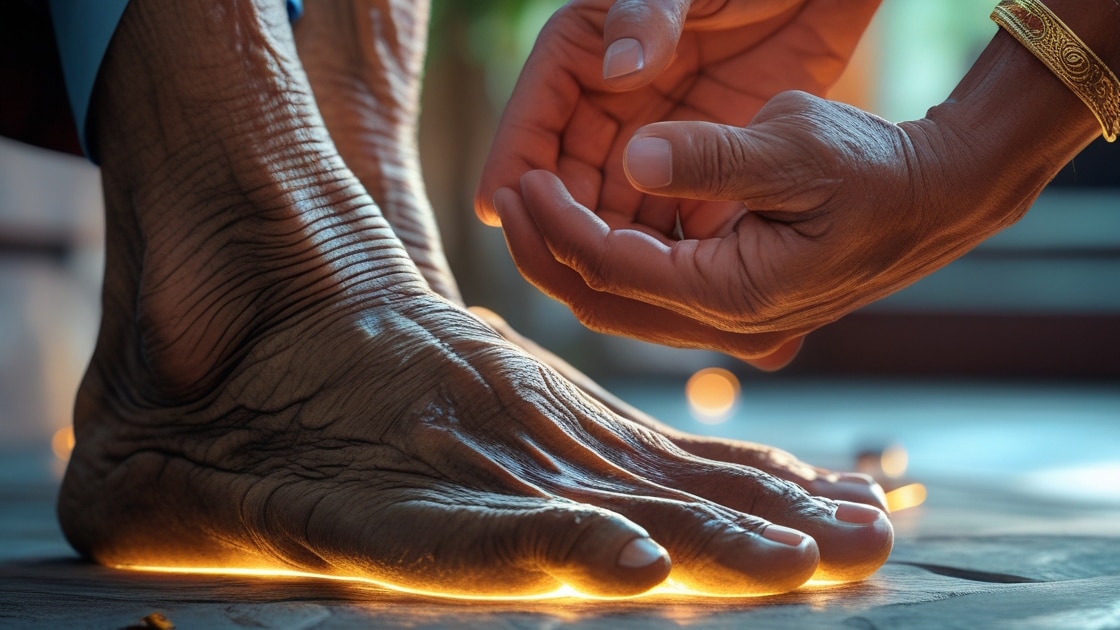
To touch someone’s feet is to touch time itself. Each wrinkle and callus holds decades of experience—making the gesture both personal and cosmic.
- 8/9
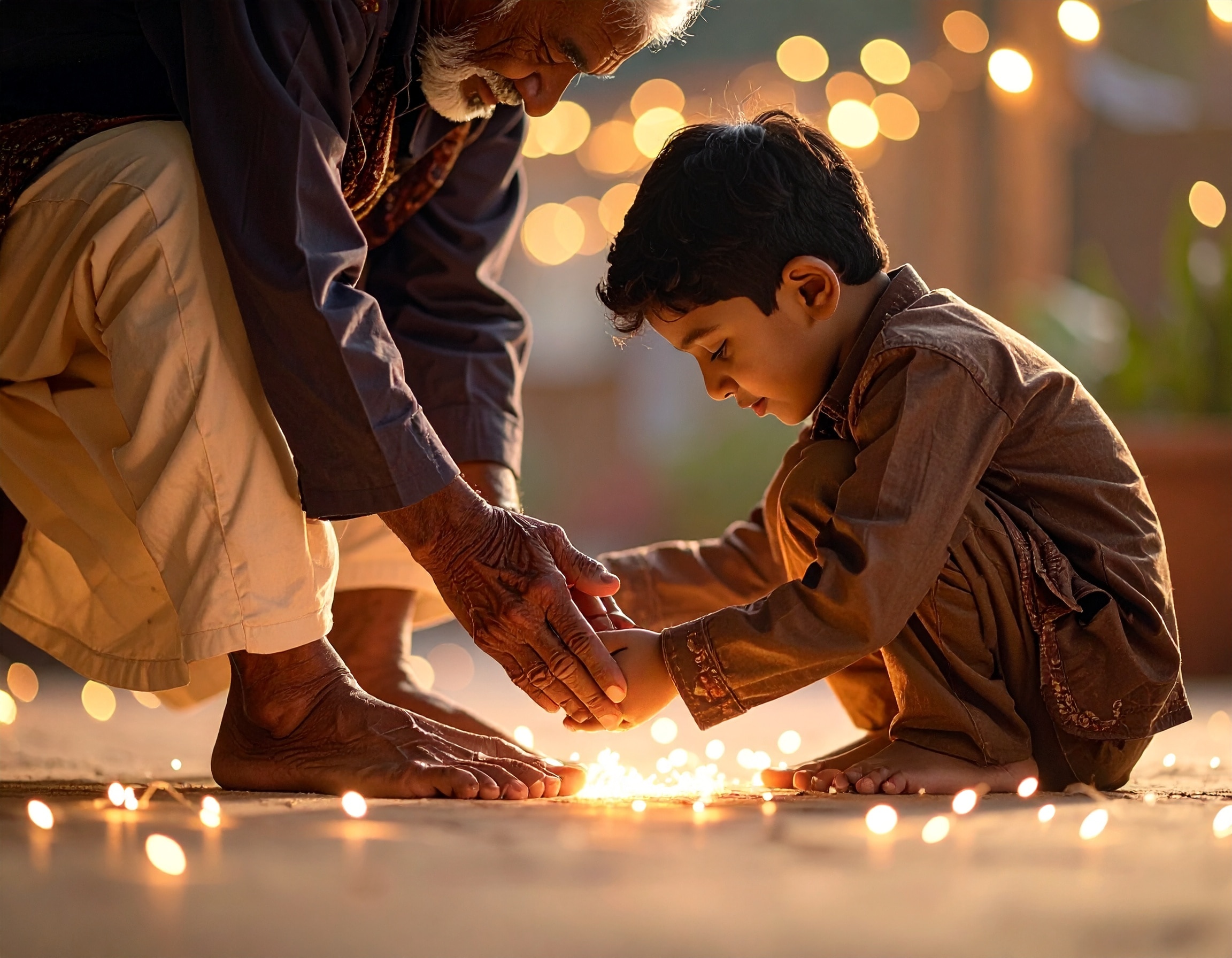
Charanasparsha isn’t just for the old. In some traditions, even saints touch the feet of children—acknowledging divinity where it resides, regardless of age.
- 9/9
From foot-touches in the north to full-body prostrations in the south, the form varies, but the message echoes the same: respect transcends words—it’s felt in the spine.