
‘3 min late is chaos in Switzerland, 30 is normal here’: Founder says India celebrates mediocrity
Jain described Swiss punctuality not as robotic, but as a reflection of collective respect. “A delay isn’t just a logistical failure; it’s a breach of the social contract,” he noted.
- Aug 4, 2025,
- Updated Aug 4, 2025 9:21 AM IST
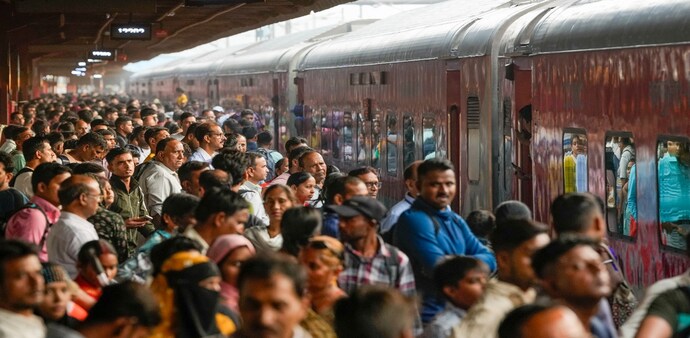
In Switzerland, a 3-minute train delay sparks panic. In India, a 30-minute delay brings relief. That contrast, says Lucira founder Rupesh Jain, reveals more than just differing rail standards—it exposes how deeply India has normalized inefficiency.
In a candid LinkedIn post following a family trip to Switzerland, Jain reflected on the cultural chasm between how the two nations perceive time, reliability, and quality. “We have normalized inefficiency, and it’s costing us more than just time,” he wrote.
Jain described Swiss punctuality not as robotic, but as a reflection of collective respect. “A delay isn’t just a logistical failure; it’s a breach of the social contract,” he noted. Meanwhile, in India, daily disruptions are met with a “collective shrug,” he said, calling out the entrenched “chalta hai” attitude that tolerates broken systems, inconsistent service, and chronic delays.
“This isn’t just about inconvenience,” Jain warned. “It kills productivity, as we constantly build buffers for anticipated failures. It erodes trust in public and private institutions. It stifles innovation, because ‘good enough’ becomes the enemy of ‘the best possible.’”
His message, while critical, wasn’t cynical. It was a challenge.
Jain argued that India’s famed resilience comes not from strength but from resignation. “We have become incredibly resilient, but it’s a resilience born of low expectations,” he wrote.
From potholes to broken queues, Jain painted a picture of a society that has adapted too well to dysfunction. His call to action was clear: “It’s time we stop being so accepting of the things that hold us back. It’s time to demand better—from others and from ourselves.”
In Switzerland, a 3-minute train delay sparks panic. In India, a 30-minute delay brings relief. That contrast, says Lucira founder Rupesh Jain, reveals more than just differing rail standards—it exposes how deeply India has normalized inefficiency.
In a candid LinkedIn post following a family trip to Switzerland, Jain reflected on the cultural chasm between how the two nations perceive time, reliability, and quality. “We have normalized inefficiency, and it’s costing us more than just time,” he wrote.
Jain described Swiss punctuality not as robotic, but as a reflection of collective respect. “A delay isn’t just a logistical failure; it’s a breach of the social contract,” he noted. Meanwhile, in India, daily disruptions are met with a “collective shrug,” he said, calling out the entrenched “chalta hai” attitude that tolerates broken systems, inconsistent service, and chronic delays.
“This isn’t just about inconvenience,” Jain warned. “It kills productivity, as we constantly build buffers for anticipated failures. It erodes trust in public and private institutions. It stifles innovation, because ‘good enough’ becomes the enemy of ‘the best possible.’”
His message, while critical, wasn’t cynical. It was a challenge.
Jain argued that India’s famed resilience comes not from strength but from resignation. “We have become incredibly resilient, but it’s a resilience born of low expectations,” he wrote.
From potholes to broken queues, Jain painted a picture of a society that has adapted too well to dysfunction. His call to action was clear: “It’s time we stop being so accepting of the things that hold us back. It’s time to demand better—from others and from ourselves.”