
70 yrs of ties: PM Modi pitches India-Oman CEPA as growth engine for trade, energy transition & startups
India has emerged as Oman’s third-largest trading partner, with bilateral trade touching $10.61 billion in FY 2024-25. Investments have also gained pace, with Indian investments in Oman more than tripling since 2020 to cross $5 billion.
- Dec 18, 2025,
- Updated Dec 18, 2025 2:34 PM IST
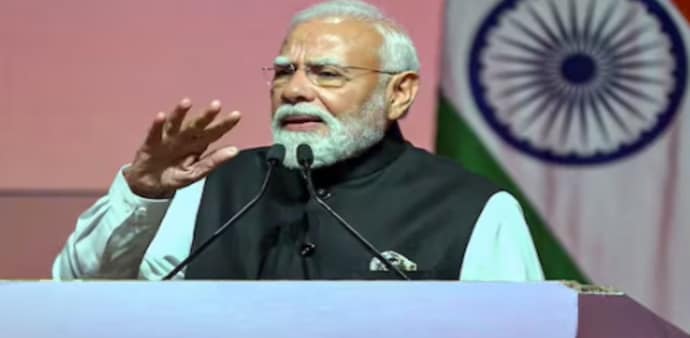
Prime Minister Narendra Modi on December 18 said the Comprehensive Economic Partnership Agreement (CEPA) between India and Oman will inject new confidence and momentum into bilateral ties, describing it as a “blueprint of our shared future”. Speaking at the India-Oman Business Summit in Muscat, Modi said the pact would boost trade and open opportunities across sectors, adding that its impact would be felt for decades.
India and Oman are set to sign the free trade agreement later on Thursday. Negotiations began in November 2023 and concluded this year. The CEPA provides for significant reduction or elimination of customs duties on a wide range of goods, along with easier norms for services trade and investment.
The agreement coincides with the 70th anniversary of diplomatic relations between the two countries. Oman is viewed as a strategic gateway to the Gulf Cooperation Council (GCC) region and markets in Eastern Europe, Central Asia and Africa.
Priority sectors under CEPA
India has emerged as Oman’s third-largest trading partner, with bilateral trade touching $10.61 billion in FY 2024-25. Investments have also gained pace, with Indian investments in Oman more than tripling since 2020 to cross $5 billion. These span sectors such as green steel, green ammonia, aluminium manufacturing, renewable energy and logistics.
Addressing the Indian community in Muscat, Modi highlighted India’s diversity and the role of the diaspora, calling it a living example of coexistence and cooperation. He also referred to the UNESCO recognition granted to Deepavali this year and urged the youth diaspora to “dream big, learn deeply, and innovate boldly”, according to PTI.
Under the CEPA, India and Oman have identified four priority areas for deeper cooperation. These include energy transition — covering renewable energy, battery storage and green hydrogen — along with infrastructure development through multimodal logistics, ports and warehousing. The two sides will also collaborate on food security initiatives such as cold storage and food parks, and on strengthening the startup ecosystem in areas including deep tech, logistics, software and artificial intelligence.
The agreement is expected to further boost sectors such as textiles, footwear, automobiles, gems and jewellery, agrochemicals and renewable energy.
Welcoming the pact, Mahindra Group CEO and Managing Director Anish Shah said the India-Oman CEPA marks a significant milestone in India’s engagement with the Gulf. “The CEPA will deepen this partnership by enabling near-complete duty-free access for Indian goods and catalysing greater trade and investment across sectors such as energy, minerals, technology, tourism and agriculture,” he said.
Shah added that the agreement opens a new chapter for the Mahindra Group’s presence in Oman, highlighting Tech Mahindra’s technology development centre in Muscat, which supports key industries through AI, cloud and 5G services. “This agreement allows us to expand collaboration in digital transformation, clean energy, supply chains and mobility,” he said.
Industry body CII also welcomed the move. In a statement, CII Director General Chandrajit Banerjee said the CEPA reflects India’s proactive trade strategy and strengthens economic engagement with a key Gulf partner. “For Indian industry, the CEPA with Oman enhances market access and trade facilitation while creating an enabling framework for services, investment, technology collaboration, and mobility of professionals,” he said.
Banerjee expressed confidence that the agreement would catalyse bilateral trade and investment across a wide range of sectors, including emerging areas such as green energy and agri-innovation startups, contributing to job creation and long-term economic cooperation.
Prime Minister Narendra Modi on December 18 said the Comprehensive Economic Partnership Agreement (CEPA) between India and Oman will inject new confidence and momentum into bilateral ties, describing it as a “blueprint of our shared future”. Speaking at the India-Oman Business Summit in Muscat, Modi said the pact would boost trade and open opportunities across sectors, adding that its impact would be felt for decades.
India and Oman are set to sign the free trade agreement later on Thursday. Negotiations began in November 2023 and concluded this year. The CEPA provides for significant reduction or elimination of customs duties on a wide range of goods, along with easier norms for services trade and investment.
The agreement coincides with the 70th anniversary of diplomatic relations between the two countries. Oman is viewed as a strategic gateway to the Gulf Cooperation Council (GCC) region and markets in Eastern Europe, Central Asia and Africa.
Priority sectors under CEPA
India has emerged as Oman’s third-largest trading partner, with bilateral trade touching $10.61 billion in FY 2024-25. Investments have also gained pace, with Indian investments in Oman more than tripling since 2020 to cross $5 billion. These span sectors such as green steel, green ammonia, aluminium manufacturing, renewable energy and logistics.
Addressing the Indian community in Muscat, Modi highlighted India’s diversity and the role of the diaspora, calling it a living example of coexistence and cooperation. He also referred to the UNESCO recognition granted to Deepavali this year and urged the youth diaspora to “dream big, learn deeply, and innovate boldly”, according to PTI.
Under the CEPA, India and Oman have identified four priority areas for deeper cooperation. These include energy transition — covering renewable energy, battery storage and green hydrogen — along with infrastructure development through multimodal logistics, ports and warehousing. The two sides will also collaborate on food security initiatives such as cold storage and food parks, and on strengthening the startup ecosystem in areas including deep tech, logistics, software and artificial intelligence.
The agreement is expected to further boost sectors such as textiles, footwear, automobiles, gems and jewellery, agrochemicals and renewable energy.
Welcoming the pact, Mahindra Group CEO and Managing Director Anish Shah said the India-Oman CEPA marks a significant milestone in India’s engagement with the Gulf. “The CEPA will deepen this partnership by enabling near-complete duty-free access for Indian goods and catalysing greater trade and investment across sectors such as energy, minerals, technology, tourism and agriculture,” he said.
Shah added that the agreement opens a new chapter for the Mahindra Group’s presence in Oman, highlighting Tech Mahindra’s technology development centre in Muscat, which supports key industries through AI, cloud and 5G services. “This agreement allows us to expand collaboration in digital transformation, clean energy, supply chains and mobility,” he said.
Industry body CII also welcomed the move. In a statement, CII Director General Chandrajit Banerjee said the CEPA reflects India’s proactive trade strategy and strengthens economic engagement with a key Gulf partner. “For Indian industry, the CEPA with Oman enhances market access and trade facilitation while creating an enabling framework for services, investment, technology collaboration, and mobility of professionals,” he said.
Banerjee expressed confidence that the agreement would catalyse bilateral trade and investment across a wide range of sectors, including emerging areas such as green energy and agri-innovation startups, contributing to job creation and long-term economic cooperation.