
8th Pay Commission: Finance Ministry discloses employee–pensioner numbers set to benefit
The 8th Central Pay Commission will devise methodology and procedure for formulating its recommendations, says MoS Finance
- Dec 8, 2025,
- Updated Dec 8, 2025 7:30 PM IST
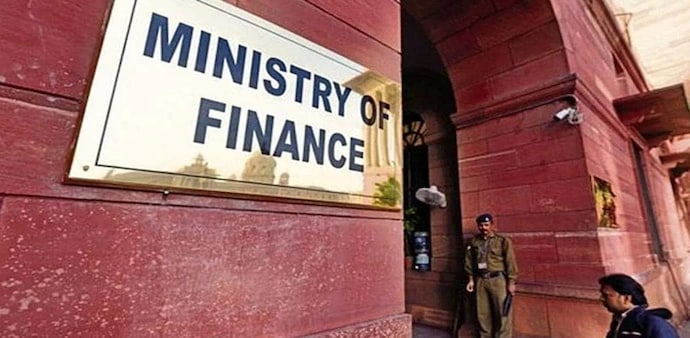
The Centre on Monday told the Lok Sabha that 50.14 lakh central government employees and approximately 69 lakh pensioners stand to benefit from the 8th Central Pay Commission (CPC). The figures were shared in a written reply by Pankaj Chaudhary, Minister of State in the Ministry of Finance.
"The number of central government employees is 50.14 lakh, and the number of pensioners is 69 lakh approximately," the MoS said while responding to questions raised by MPs NK Premchandran, Thanga Tamilselvan, Ganapathy Rajkumar P, and Dharmendra Yadav on issues including the implementation date of the 8th CPC, its Terms of Reference (ToR), fund allocation, and consultations with employee and pensioner associations.
The minister clarified that the notification date for the 8th CPC's implementation will be determined by the government. "Government will make appropriate provision of funds for implementing the accepted recommendations of 8th CPC," the minister said. "The 8th Central Pay Commission will devise methodology and procedure for formulating its recommendations."
"As specified in the Resolution notified on 03.11.2025, the 8th Central Pay Commission will make its recommendations within 18 months from the date of its constitution," Chaudhary added.
What the 8th CPC will consider
In October this year, the Union Cabinet, chaired by Prime Minister Narendra Modi, approved the Terms of Reference for the 8th CPC. The body - a temporary commission consisting of a Chairperson, a part-time Member and a Member-Secretary - has 18 months to deliver its recommendations and may issue interim reports if needed.
While framing its recommendations, the Commission has been instructed to consider: prevailing economic conditions and the need for fiscal prudence, resource availability for development and welfare measures, the unfunded cost of non-contributory pension schemes, the overall financial impact on state governments that typically adopt CPC recommendations, and the existing pay structure and working conditions in CPSUs and the private sector.
When the new pay structure may take effect
Pay Commissions are typically constituted once every decade to review pay, pension, and service conditions of central government employees. Following that pattern, the 8th CPC's recommendations would normally be expected to come into force from January 1, 2026, bringing revised salary and pension structures for millions of beneficiaries.
The Centre on Monday told the Lok Sabha that 50.14 lakh central government employees and approximately 69 lakh pensioners stand to benefit from the 8th Central Pay Commission (CPC). The figures were shared in a written reply by Pankaj Chaudhary, Minister of State in the Ministry of Finance.
"The number of central government employees is 50.14 lakh, and the number of pensioners is 69 lakh approximately," the MoS said while responding to questions raised by MPs NK Premchandran, Thanga Tamilselvan, Ganapathy Rajkumar P, and Dharmendra Yadav on issues including the implementation date of the 8th CPC, its Terms of Reference (ToR), fund allocation, and consultations with employee and pensioner associations.
The minister clarified that the notification date for the 8th CPC's implementation will be determined by the government. "Government will make appropriate provision of funds for implementing the accepted recommendations of 8th CPC," the minister said. "The 8th Central Pay Commission will devise methodology and procedure for formulating its recommendations."
"As specified in the Resolution notified on 03.11.2025, the 8th Central Pay Commission will make its recommendations within 18 months from the date of its constitution," Chaudhary added.
What the 8th CPC will consider
In October this year, the Union Cabinet, chaired by Prime Minister Narendra Modi, approved the Terms of Reference for the 8th CPC. The body - a temporary commission consisting of a Chairperson, a part-time Member and a Member-Secretary - has 18 months to deliver its recommendations and may issue interim reports if needed.
While framing its recommendations, the Commission has been instructed to consider: prevailing economic conditions and the need for fiscal prudence, resource availability for development and welfare measures, the unfunded cost of non-contributory pension schemes, the overall financial impact on state governments that typically adopt CPC recommendations, and the existing pay structure and working conditions in CPSUs and the private sector.
When the new pay structure may take effect
Pay Commissions are typically constituted once every decade to review pay, pension, and service conditions of central government employees. Following that pattern, the 8th CPC's recommendations would normally be expected to come into force from January 1, 2026, bringing revised salary and pension structures for millions of beneficiaries.