
‘99% of Indian exports are covered’: Piyush Goyal on India–EU FTA
Goyal noted that the breakthrough with the European Union comes after nearly two decades of discussions, with negotiations having remained stalled for several years.
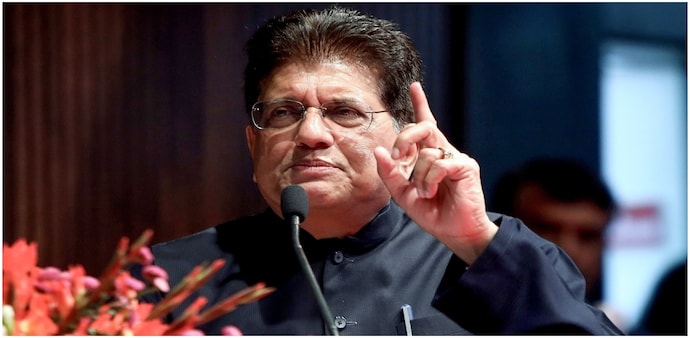
- Jan 27, 2026,
- Updated Jan 27, 2026 10:52 PM IST
All Indian exports will get duty-free access from day one after the implementation of the India–European Union Free Trade Agreement (FTA), Union Commerce and Industry Minister Piyush Goyal said, describing the agreement as a landmark step in India’s trade and economic engagement with developed economies.
Addressing the significance of the pact, Goyal said India and the European Union have come together across multiple sectors to strengthen their partnership and work towards a shared economic future that impacts nearly one-third of the world’s population. He said the agreement reflects a mutual effort to build long-term cooperation rather than short-term commercial gains.
The minister said the India–EU FTA is India’s eighth free trade agreement under Prime Minister Narendra Modi, adding that all FTAs signed during this period have been with developed nations. Collectively, these agreements represent trade partnerships between India and 37 developed countries, signalling a strategic shift in India’s global trade policy.
Goyal noted that the breakthrough with the European Union comes after nearly two decades of discussions, with negotiations having remained stalled for several years. He said the “heavy lifting” for the agreement began in 2024, leading to the current outcome after sustained engagement between negotiating teams on both sides.
The FTA has wide coverage, with nearly 99 per cent of Indian exports to the EU and about 97 per cent of EU exports to India included under the agreement.
According to Goyal, the focus was on creating a balanced and equitable deal, ensuring that the interests of industry and businesses on both sides are protected.
“Sensitive issues were deliberately left aside, and wherever required, adequate time has been provided for adjustment,” the minister said, adding that the agreement has been structured as a win-win for all sections of industry in India and Europe.
Highlighting the scale of the European market, Goyal said the EU currently imports goods worth around USD 6.5 trillion and services worth nearly USD 3 trillion every year. He said the agreement opens significant opportunities for Indian exporters across sectors, especially with the provision of duty-free access from the very first day of implementation.
As part of the agreement, India will open its market to a greater share of automobile components, as well as wines and spirits. However, Goyal said both sides have ensured that sensitive items are either excluded from the agreement or provided sufficient transition periods to allow domestic industries time to adjust to increased competition.
Linking the trade pact to India’s long-term economic vision, Goyal said such agreements are critical to achieving the goal of making India a USD 30 trillion-plus economy by 2047. He added that the India–EU FTA will play a key role in boosting exports, attracting investment, creating jobs and strengthening India’s position in global value chains.
All Indian exports will get duty-free access from day one after the implementation of the India–European Union Free Trade Agreement (FTA), Union Commerce and Industry Minister Piyush Goyal said, describing the agreement as a landmark step in India’s trade and economic engagement with developed economies.
Addressing the significance of the pact, Goyal said India and the European Union have come together across multiple sectors to strengthen their partnership and work towards a shared economic future that impacts nearly one-third of the world’s population. He said the agreement reflects a mutual effort to build long-term cooperation rather than short-term commercial gains.
The minister said the India–EU FTA is India’s eighth free trade agreement under Prime Minister Narendra Modi, adding that all FTAs signed during this period have been with developed nations. Collectively, these agreements represent trade partnerships between India and 37 developed countries, signalling a strategic shift in India’s global trade policy.
Goyal noted that the breakthrough with the European Union comes after nearly two decades of discussions, with negotiations having remained stalled for several years. He said the “heavy lifting” for the agreement began in 2024, leading to the current outcome after sustained engagement between negotiating teams on both sides.
The FTA has wide coverage, with nearly 99 per cent of Indian exports to the EU and about 97 per cent of EU exports to India included under the agreement.
According to Goyal, the focus was on creating a balanced and equitable deal, ensuring that the interests of industry and businesses on both sides are protected.
“Sensitive issues were deliberately left aside, and wherever required, adequate time has been provided for adjustment,” the minister said, adding that the agreement has been structured as a win-win for all sections of industry in India and Europe.
Highlighting the scale of the European market, Goyal said the EU currently imports goods worth around USD 6.5 trillion and services worth nearly USD 3 trillion every year. He said the agreement opens significant opportunities for Indian exporters across sectors, especially with the provision of duty-free access from the very first day of implementation.
As part of the agreement, India will open its market to a greater share of automobile components, as well as wines and spirits. However, Goyal said both sides have ensured that sensitive items are either excluded from the agreement or provided sufficient transition periods to allow domestic industries time to adjust to increased competition.
Linking the trade pact to India’s long-term economic vision, Goyal said such agreements are critical to achieving the goal of making India a USD 30 trillion-plus economy by 2047. He added that the India–EU FTA will play a key role in boosting exports, attracting investment, creating jobs and strengthening India’s position in global value chains.