
'A blessing in disguise': IIT-Madras Director says India must take full advantage of H-1B fee hike
The move has sparked concerns about the future plans of Indian professionals and students who were aiming to work in the United States.
- Sep 22, 2025,
- Updated Sep 22, 2025 9:56 PM IST
The recent hike in the US H-1B visa fee is expected to reshape the career plans of Indian students and professionals. Many who had been aiming to work in the United States may now consider staying in India, potentially boosting research and innovation at home.
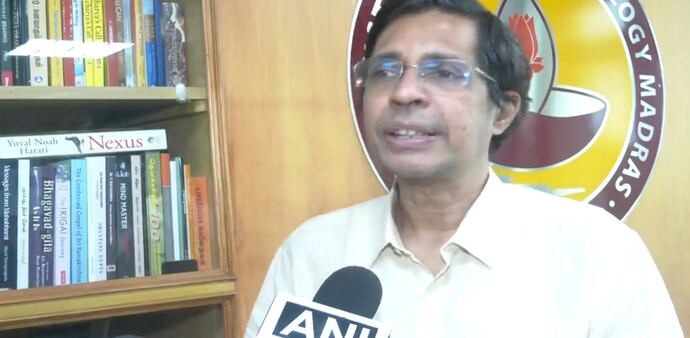
Kamakoti Veezhinathan, Director of IIT-Madras, described the change as a positive development. "I see this as a blessing in disguise and we must thank President Trump for it. We must take full advantage of this..." he told ANI.
He further explained the effects of the change, adding, "The impact is two-fold - one, the students who go from here with an aspiration to work there might not go now, and as a director of IIT-Madras, I am happy that they will continue in India. I believe as a country we have great opportunities for us to do research here...This is the time when students who want to go there (to the US) can stay here and contribute. In the last 5 years, at IIT-M, we have had only 5% of our population that is not in India. The craze for going to the US is gone here..."
The US H-1B visa, which allows foreign professionals to work in America, has come under the spotlight following a significant increase in its fee. The H-1B visa is mostly used by skilled professionals in fields like IT, engineering, and research.
Many Indian students and young professionals use it to start their careers in the US, often moving abroad soon after finishing their studies.
On September 19, US President Donald Trump announced that H-1B employees, including current visa holders, would be denied entry unless their employer paid a $100,000 annual fee.
The move has sparked concerns about the future plans of Indian professionals and students who were aiming to work in the United States.
The recent hike in the US H-1B visa fee is expected to reshape the career plans of Indian students and professionals. Many who had been aiming to work in the United States may now consider staying in India, potentially boosting research and innovation at home.
Kamakoti Veezhinathan, Director of IIT-Madras, described the change as a positive development. "I see this as a blessing in disguise and we must thank President Trump for it. We must take full advantage of this..." he told ANI.
He further explained the effects of the change, adding, "The impact is two-fold - one, the students who go from here with an aspiration to work there might not go now, and as a director of IIT-Madras, I am happy that they will continue in India. I believe as a country we have great opportunities for us to do research here...This is the time when students who want to go there (to the US) can stay here and contribute. In the last 5 years, at IIT-M, we have had only 5% of our population that is not in India. The craze for going to the US is gone here..."
The US H-1B visa, which allows foreign professionals to work in America, has come under the spotlight following a significant increase in its fee. The H-1B visa is mostly used by skilled professionals in fields like IT, engineering, and research.
Many Indian students and young professionals use it to start their careers in the US, often moving abroad soon after finishing their studies.
On September 19, US President Donald Trump announced that H-1B employees, including current visa holders, would be denied entry unless their employer paid a $100,000 annual fee.
The move has sparked concerns about the future plans of Indian professionals and students who were aiming to work in the United States.