
'A regressive step': Ashneer Grover says MDR on UPI will kill mobile payments
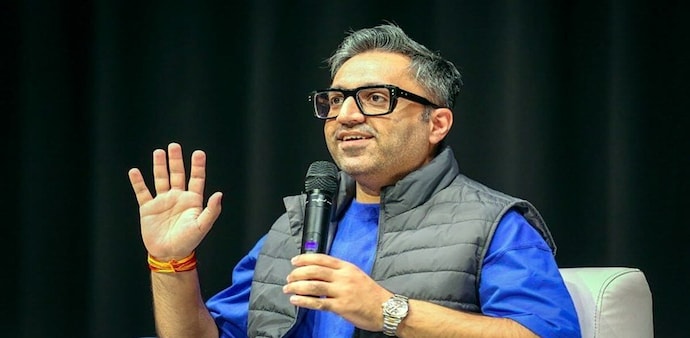
The former BharatPe co-founder reacted sharply to the latest developments in a post on X (formally twitter), arguing that introducing MDR on UPI transactions would be a "regressive step."
- Aug 7, 2026,
- Updated Aug 7, 2026 6:41 PM IST
The debate over merchant discount rate (MDR) on Unified Payments Interface (UPI) transactions has intensified after Parliament passed amendments to the law governing digital payments, prompting former BharatPe Co-founder Ashneer Grover to warn that imposing such charges could undermine one of India's biggest digital success stories.
Even as concerns spread over possible fees on UPI payments, Union Finance Minister Nirmala Sitharaman has clarified that any future MDR, if introduced, would be borne by merchants — not customers.
Grover reacted sharply to the latest developments in a post on X (formally twitter), arguing that introducing MDR on UPI transactions would be a "regressive step." "Any MDR on UPI - will kill the one thing in India which is working like clock work i.e. mobile payments. It's a regressive step - government should reconsider," he wrote.
His comments come after the Lok Sabha passed the Taxation and Other Laws (Amendment) Bill, 2026, which amends the Payment and Settlement Systems Act, 2007. The legislation does not impose any charges on UPI transactions immediately but creates the legal framework that would allow the Centre to revise the current zero-MDR regime through a future notification.
Customers will not be charged: FM
Seeking to dispel concerns that UPI users would have to pay for digital transactions, Finance Minister Nirmala Sitharaman stressed that MDR, if introduced in the future, would apply only to merchants.
In a post on X, she said: "Merchant Discount Rate (MDR) applies only on the merchants and not on the end users/customers. It will support the Banks & Fintech to invest more on infrastructure, innovation & security. All users of UPI will reap the benefits of this investment."
She also clarified that no decision has yet been taken on introducing MDR. According to Sitharaman, the matter will be considered only after Parliament passes the Taxation and Other Laws (Amendment) Bill, 2026, and the UPI and Services Steering Committee headed by the National Payments Corporation of India (NPCI) takes a decision.
What the new law actually changes
The amendment to Section 10A of the Payment and Settlement Systems Act, 2007 empowers the Central government to notify which electronic payment modes or categories of transactions should remain free of charges.
MUST READ | BT Exclusive: Large merchants may bear UPI MDR under proposed framework, say sources
Importantly, the Bill itself neither introduces MDR nor prescribes any fee for UPI or RuPay transactions. Instead, it gives the government the legal authority to modify the existing zero-MDR policy through a subsequent notification if it chooses to do so.
This means India's current zero-charge regime for UPI users remains unchanged for now.
Why MDR matters
Merchant Discount Rate is a fee that merchants pay to banks or payment service providers for processing digital transactions. While customers do not directly pay MDR, businesses often view it as an additional cost of accepting digital payments.
Supporters argue that allowing MDR would provide banks and fintech firms with revenue to invest in payment infrastructure, cybersecurity and innovation, especially as UPI transaction volumes continue to grow.
Critics, however, fear that imposing costs on merchants could discourage small businesses from accepting UPI payments or lead them to indirectly pass on the cost to consumers over time.
GTRI cautions against policy changes
Adding another dimension to the debate, the Global Trade Research Initiative (GTRI) said India should resist external pressure to alter its UPI framework.
The think tank said the country should not rewrite its UPI policies under pressure from the United States and must safeguard competition, policy autonomy and the long-term sustainability of its digital payments ecosystem.
With the legal framework now in place but no final decision on MDR yet, the future of merchant charges on UPI will depend on the government's notification and the recommendations of the NPCI-led steering committee. Until then, customers will continue to make UPI payments without any transaction charges.
The debate over merchant discount rate (MDR) on Unified Payments Interface (UPI) transactions has intensified after Parliament passed amendments to the law governing digital payments, prompting former BharatPe Co-founder Ashneer Grover to warn that imposing such charges could undermine one of India's biggest digital success stories.
Even as concerns spread over possible fees on UPI payments, Union Finance Minister Nirmala Sitharaman has clarified that any future MDR, if introduced, would be borne by merchants — not customers.
Grover reacted sharply to the latest developments in a post on X (formally twitter), arguing that introducing MDR on UPI transactions would be a "regressive step." "Any MDR on UPI - will kill the one thing in India which is working like clock work i.e. mobile payments. It's a regressive step - government should reconsider," he wrote.
His comments come after the Lok Sabha passed the Taxation and Other Laws (Amendment) Bill, 2026, which amends the Payment and Settlement Systems Act, 2007. The legislation does not impose any charges on UPI transactions immediately but creates the legal framework that would allow the Centre to revise the current zero-MDR regime through a future notification.
Customers will not be charged: FM
Seeking to dispel concerns that UPI users would have to pay for digital transactions, Finance Minister Nirmala Sitharaman stressed that MDR, if introduced in the future, would apply only to merchants.
In a post on X, she said: "Merchant Discount Rate (MDR) applies only on the merchants and not on the end users/customers. It will support the Banks & Fintech to invest more on infrastructure, innovation & security. All users of UPI will reap the benefits of this investment."
She also clarified that no decision has yet been taken on introducing MDR. According to Sitharaman, the matter will be considered only after Parliament passes the Taxation and Other Laws (Amendment) Bill, 2026, and the UPI and Services Steering Committee headed by the National Payments Corporation of India (NPCI) takes a decision.
What the new law actually changes
The amendment to Section 10A of the Payment and Settlement Systems Act, 2007 empowers the Central government to notify which electronic payment modes or categories of transactions should remain free of charges.
MUST READ | BT Exclusive: Large merchants may bear UPI MDR under proposed framework, say sources
Importantly, the Bill itself neither introduces MDR nor prescribes any fee for UPI or RuPay transactions. Instead, it gives the government the legal authority to modify the existing zero-MDR policy through a subsequent notification if it chooses to do so.
This means India's current zero-charge regime for UPI users remains unchanged for now.
Why MDR matters
Merchant Discount Rate is a fee that merchants pay to banks or payment service providers for processing digital transactions. While customers do not directly pay MDR, businesses often view it as an additional cost of accepting digital payments.
Supporters argue that allowing MDR would provide banks and fintech firms with revenue to invest in payment infrastructure, cybersecurity and innovation, especially as UPI transaction volumes continue to grow.
Critics, however, fear that imposing costs on merchants could discourage small businesses from accepting UPI payments or lead them to indirectly pass on the cost to consumers over time.
GTRI cautions against policy changes
Adding another dimension to the debate, the Global Trade Research Initiative (GTRI) said India should resist external pressure to alter its UPI framework.
The think tank said the country should not rewrite its UPI policies under pressure from the United States and must safeguard competition, policy autonomy and the long-term sustainability of its digital payments ecosystem.
With the legal framework now in place but no final decision on MDR yet, the future of merchant charges on UPI will depend on the government's notification and the recommendations of the NPCI-led steering committee. Until then, customers will continue to make UPI payments without any transaction charges.