
‘Acquittal not a precedent’: Supreme Court stays Bombay High Court order in 2006 Mumbai train blasts case
A day earlier, the Supreme Court had observed that staying an acquittal would be a “rarest of rare” occurrence.
- Jul 24, 2025,
- Updated Jul 24, 2025 1:03 PM IST
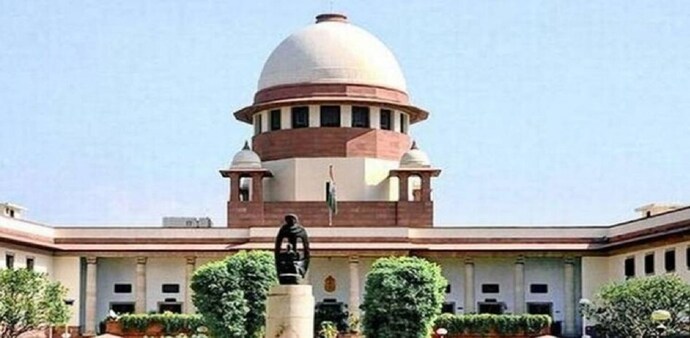
The Supreme Court on Thursday said that while it is putting a hold on the Bombay High Court’s acquittal of all accused in the 2006 Mumbai train blast case, the 12 individuals who were released will not be taken back into custody. The court stated that the High Court’s judgment should not be considered a reference for other cases. It also issued notices to the acquitted in connection with the Maharashtra government’s plea challenging the decision.
"All respondents were released and thus no question to bring them back to prison. However, on the question of law, we will say that the impugned judgment is not treated as precedent in any other cases. Therefore, to that extent, let there be a stay on the impugned judgment," the Supreme Court was quoted as saying by India Today.
A day earlier, the Supreme Court had observed that staying an acquittal would be a “rarest of rare” occurrence.
The court’s order followed submissions by Solicitor General Tushar Mehta, who, representing the Maharashtra government, said the High Court’s verdict could influence other ongoing cases under the Maharashtra Control of Organised Crime Act (MCOCA).
On July 11, 2006, coordinated bomb blasts targeted seven coaches of Mumbai’s suburban trains during the evening rush hour, killing 189 people and injuring 824. In 2015, a special court delivered its verdict in the case, sentencing five of the 13 accused to death and seven others to life imprisonment. One accused was acquitted, and in 2021, one of those sentenced to death died of COVID-19.
On Monday, a division bench of Justices Anil Kilor and Shyam Chandak overturned the special court’s 2015 verdict and acquitted all the accused, stating that the prosecution had "utterly failed to establish offences beyond reasonable doubt" against them.
The High Court raised serious doubts about the investigation carried out by the Maharashtra Anti-Terrorism Squad (ATS), noting that the statements of most witnesses were unreliable. It also pointed out that the prosecution could not establish the type of explosive used in the blasts.
The Supreme Court on Thursday said that while it is putting a hold on the Bombay High Court’s acquittal of all accused in the 2006 Mumbai train blast case, the 12 individuals who were released will not be taken back into custody. The court stated that the High Court’s judgment should not be considered a reference for other cases. It also issued notices to the acquitted in connection with the Maharashtra government’s plea challenging the decision.
"All respondents were released and thus no question to bring them back to prison. However, on the question of law, we will say that the impugned judgment is not treated as precedent in any other cases. Therefore, to that extent, let there be a stay on the impugned judgment," the Supreme Court was quoted as saying by India Today.
A day earlier, the Supreme Court had observed that staying an acquittal would be a “rarest of rare” occurrence.
The court’s order followed submissions by Solicitor General Tushar Mehta, who, representing the Maharashtra government, said the High Court’s verdict could influence other ongoing cases under the Maharashtra Control of Organised Crime Act (MCOCA).
On July 11, 2006, coordinated bomb blasts targeted seven coaches of Mumbai’s suburban trains during the evening rush hour, killing 189 people and injuring 824. In 2015, a special court delivered its verdict in the case, sentencing five of the 13 accused to death and seven others to life imprisonment. One accused was acquitted, and in 2021, one of those sentenced to death died of COVID-19.
On Monday, a division bench of Justices Anil Kilor and Shyam Chandak overturned the special court’s 2015 verdict and acquitted all the accused, stating that the prosecution had "utterly failed to establish offences beyond reasonable doubt" against them.
The High Court raised serious doubts about the investigation carried out by the Maharashtra Anti-Terrorism Squad (ATS), noting that the statements of most witnesses were unreliable. It also pointed out that the prosecution could not establish the type of explosive used in the blasts.