
'After the dollar, no currency is emerging': Ruchir Sharma explains why crypto could be the substitute
Despite calling himself “bullish on crypto” and predicting its growing usage, Sharma confessed on Shamani’s show that he has never bought Bitcoin, calling it his “biggest miss” and blaming it on focusing more on managing others’ money than his own.
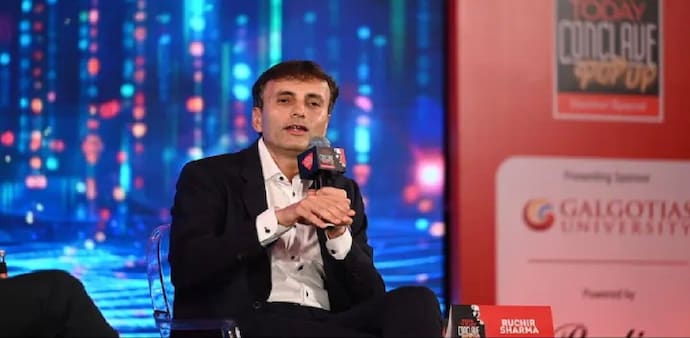
- Sep 14, 2025,
- Updated Sep 14, 2025 2:28 PM IST
Economist and fund manager Ruchir Sharma believes the world is entering a new financial era where alternatives like cryptocurrency and gold will play a growing role as trust in the US dollar faces long-term challenges. Speaking on entrepreneur Raj Shamani’s podcast, Sharma highlighted why diversification away from the dollar is becoming increasingly important.
Dollar’s overstretch and historical cycles
“The dependence on the dollar in the world today has become very high, and that is not a good thing. So, some substitute will come,” Sharma explained. He noted that historically, no currency has maintained dominance forever — from the Portuguese and Spanish currencies centuries ago, to the French franc, British pound, and finally the US dollar. “What is strange this time is that after the dollar, no other currency is coming,” he said, pointing out that China’s yuan lacks trust due to concerns over government control.
Crypto and gold gain ground
Sharma argued that in the absence of a credible nation-state alternative, crypto and gold are steadily becoming safe-haven assets. “That’s why crypto and gold have gained significant value, and I think they will generally continue to rise,” he said.
Crypto’s Long-Term Trajectory
On the potential of digital assets, Sharma said he expects crypto adoption to grow over the next five years. “The price of crypto today might be $1,000, but when I wrote about it earlier, it had gone above $10,000. Now, 10,000 should maybe become 100,000. I don’t know how to value crypto, but one thing is clear: the world cannot be so dependent on the dollar,” he added.
Case for diversification
Sharma also underlined the need for global investors to hedge their exposure:
-
US debt and deficit levels are at worrying highs.
-
Sanctions power of the dollar highlights political risks.
-
Diversification across assets and geographies is “necessary.”
A missed opportunity
Interestingly, despite being bullish on crypto, Sharma admitted he has not personally invested in Bitcoin. “That is my biggest miss. I keep talking about it but sometimes I don’t put my money where my mouth is,” he told Shamani. “People like us, who manage other people’s money, often spend less time managing our own effectively.”
Economist and fund manager Ruchir Sharma believes the world is entering a new financial era where alternatives like cryptocurrency and gold will play a growing role as trust in the US dollar faces long-term challenges. Speaking on entrepreneur Raj Shamani’s podcast, Sharma highlighted why diversification away from the dollar is becoming increasingly important.
Dollar’s overstretch and historical cycles
“The dependence on the dollar in the world today has become very high, and that is not a good thing. So, some substitute will come,” Sharma explained. He noted that historically, no currency has maintained dominance forever — from the Portuguese and Spanish currencies centuries ago, to the French franc, British pound, and finally the US dollar. “What is strange this time is that after the dollar, no other currency is coming,” he said, pointing out that China’s yuan lacks trust due to concerns over government control.
Crypto and gold gain ground
Sharma argued that in the absence of a credible nation-state alternative, crypto and gold are steadily becoming safe-haven assets. “That’s why crypto and gold have gained significant value, and I think they will generally continue to rise,” he said.
Crypto’s Long-Term Trajectory
On the potential of digital assets, Sharma said he expects crypto adoption to grow over the next five years. “The price of crypto today might be $1,000, but when I wrote about it earlier, it had gone above $10,000. Now, 10,000 should maybe become 100,000. I don’t know how to value crypto, but one thing is clear: the world cannot be so dependent on the dollar,” he added.
Case for diversification
Sharma also underlined the need for global investors to hedge their exposure:
-
US debt and deficit levels are at worrying highs.
-
Sanctions power of the dollar highlights political risks.
-
Diversification across assets and geographies is “necessary.”
A missed opportunity
Interestingly, despite being bullish on crypto, Sharma admitted he has not personally invested in Bitcoin. “That is my biggest miss. I keep talking about it but sometimes I don’t put my money where my mouth is,” he told Shamani. “People like us, who manage other people’s money, often spend less time managing our own effectively.”