
Air India plane crash: What is a black box, where is it located, why is it vital in investigation?
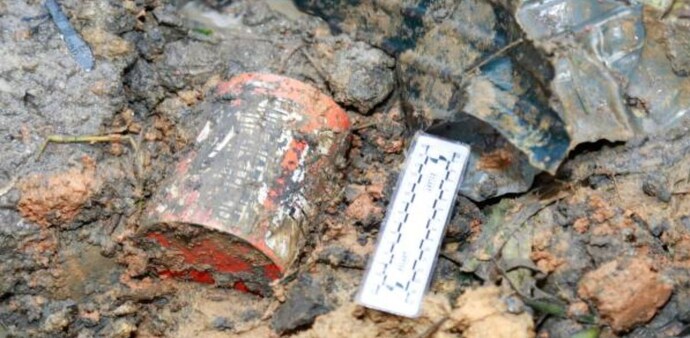
The crashed plane's black box has been found by investigators from the Aircraft Accident Investigation Bureau (AAIB). It was located near the tail of the plane
- Jun 13, 2025,
- Updated Jun 13, 2025 5:42 PM IST
An Air India flight from Ahmedabad to London crashed, killing at least 265 people. The plane's black box has been found by investigators from the Aircraft Accident Investigation Bureau (AAIB). It was located near the tail of the plane, on the roof of the resident doctors' hostel building, where the plane crashed. The black box will be used to help determine the cause of the crash.
But what is this mysterious device? Why is it so critical to air crash investigations? And despite its name, why is it bright orange?
The so-called black box is, in fact, not black at all; it’s painted bright orange to make it easier to locate among wreckage. Housed in the most crash-resilient part of the aircraft, the tail section, this device is designed to survive extreme conditions, from intense fires to deep-sea pressure.
But it’s not just one box. The black box contains two vital components:
-
Flight Data Recorder (FDR): Tracks the aircraft’s technical performance: speed, altitude, engine metrics, and navigation.
-
Cockpit Voice Recorder (CVR): Captures the final two hours of cockpit sounds, including pilot conversations and background alerts.
Advertisement
Together, they store over 25 hours of flight data and are instrumental in helping crash investigators reconstruct the final moments of a flight.
When an aircraft goes down, these recorders become the most valuable forensic tools. Whether it’s identifying mechanical failure or miscommunication in the cockpit, the black box holds answers that guide regulators in updating safety measures and pilot training protocols.
In India, the Directorate General of Civil Aviation (DGCA) requires all commercial aircraft—and most private ones—to be equipped with these devices.
Built for survival
A black box is engineered to withstand:
-
Temperatures of 1,100°C for up to an hour
-
Water pressure at depths of 20,000 feet
-
Crashes with an impact force of 3,400G
Advertisement
It also emits a locator signal for up to 30 days, aiding rescue teams in underwater recovery missions.
An Air India flight from Ahmedabad to London crashed, killing at least 265 people. The plane's black box has been found by investigators from the Aircraft Accident Investigation Bureau (AAIB). It was located near the tail of the plane, on the roof of the resident doctors' hostel building, where the plane crashed. The black box will be used to help determine the cause of the crash.
But what is this mysterious device? Why is it so critical to air crash investigations? And despite its name, why is it bright orange?
The so-called black box is, in fact, not black at all; it’s painted bright orange to make it easier to locate among wreckage. Housed in the most crash-resilient part of the aircraft, the tail section, this device is designed to survive extreme conditions, from intense fires to deep-sea pressure.
But it’s not just one box. The black box contains two vital components:
-
Flight Data Recorder (FDR): Tracks the aircraft’s technical performance: speed, altitude, engine metrics, and navigation.
-
Cockpit Voice Recorder (CVR): Captures the final two hours of cockpit sounds, including pilot conversations and background alerts.
Advertisement
Together, they store over 25 hours of flight data and are instrumental in helping crash investigators reconstruct the final moments of a flight.
When an aircraft goes down, these recorders become the most valuable forensic tools. Whether it’s identifying mechanical failure or miscommunication in the cockpit, the black box holds answers that guide regulators in updating safety measures and pilot training protocols.
In India, the Directorate General of Civil Aviation (DGCA) requires all commercial aircraft—and most private ones—to be equipped with these devices.
Built for survival
A black box is engineered to withstand:
-
Temperatures of 1,100°C for up to an hour
-
Water pressure at depths of 20,000 feet
-
Crashes with an impact force of 3,400G
Advertisement
It also emits a locator signal for up to 30 days, aiding rescue teams in underwater recovery missions.