
Ajit Pawar death: When 'Dada' took oath as Deputy CM but had to quit after 80 hours
With the wreckage still smoking, Maharashtra lost one of its most enigmatic political survivors, a man who rose to power six times as deputy chief minister but never reached the one chair he wanted most.
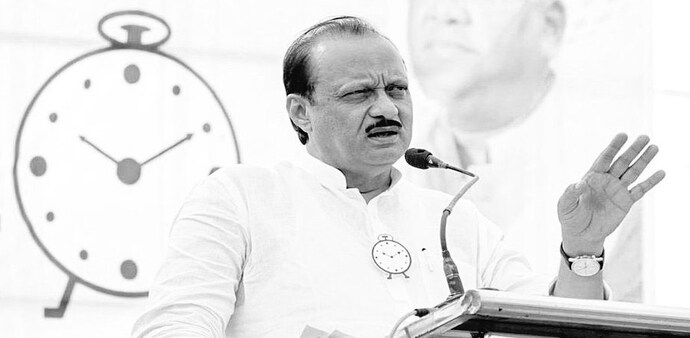
- Jan 28, 2026,
- Updated Jan 28, 2026 12:31 PM IST
On a Wednesday morning in Baramati, a plane carrying Maharashtra deputy chief minister Ajit Pawar went down, killing all five people on board—three passengers, two crew members, no survivors. With the wreckage still smoking, Maharashtra lost one of its most enigmatic political survivors, a man who rose to power six times as deputy chief minister but never reached the one chair he wanted most.
Ajit Pawar’s life, much like a screenplay, was defined by ambition, reversals and sharp turns. The most dramatic of them all unfolded in late 2019.
Cut to October 2019. The Bharatiya Janata Party and the undivided Shiv Sena stormed the Maharashtra Assembly elections, winning 161 seats—an unquestionable mandate. The victory celebrations, however, are short-lived.
Old allies fall out, quite publicly. Uddhav Thackeray’s Shiv Sena demanded an equal share of power and the chief minister’s post for two-and-a-half years, claiming it had been promised. The BJP flatly denied this. Trust collapses. So does the alliance.
With no party able to prove its majority, the curtain drops abruptly. President’s Rule was imposed on the recommendation of then Governor Bhagat Singh Koshiyari. Maharashtra slipped into political uncertainty.
Then comes the twist.
At dawn on November 23, 2019, Ajit Pawar broke away from the undivided Nationalist Congress Party. In a move that stunned allies and adversaries alike, he joined hands with the BJP. Devendra Fadnavis is sworn in as chief minister; Pawar takes oath as his deputy. It looks like a masterstroke—until it isn’t.
Less than 80 hours later, the government collapsed like a house of cards.
Forced to step down, Fadnavis delivered the line that sealed the moment: "Ajit Pawar handed in his resignation to me this morning on personal grounds. So, now we don't have the requisite numbers to continue. Accordingly, I have decided to resign. I shall meet the Governor and submit my resignation."
Fade out.
The BJP moves to the opposition benches, waiting for its next act. Pawar, meanwhile, retraces his steps, returning to the undivided NCP. On December 16, 2019, after the winter session, he is back where he knows best—Deputy Chief Minister once again—this time in the Maha Vikas Aghadi government led by Uddhav Thackeray.
But the script has more upheaval left.
In 2022, the MVA government collapsed after a dramatic split in the Shiv Sena. Rebel leader Eknath Shinde flew over 40 MLAs to Guwahati and emerged at the helm of a new government with the BJP. Ajit Pawar watches from the opposition benches, now Leader of the Opposition, waiting for yet another turn in a career defined by political whiplash.
This time, there is no next scene. The screen goes black in Baramati.
On a Wednesday morning in Baramati, a plane carrying Maharashtra deputy chief minister Ajit Pawar went down, killing all five people on board—three passengers, two crew members, no survivors. With the wreckage still smoking, Maharashtra lost one of its most enigmatic political survivors, a man who rose to power six times as deputy chief minister but never reached the one chair he wanted most.
Ajit Pawar’s life, much like a screenplay, was defined by ambition, reversals and sharp turns. The most dramatic of them all unfolded in late 2019.
Cut to October 2019. The Bharatiya Janata Party and the undivided Shiv Sena stormed the Maharashtra Assembly elections, winning 161 seats—an unquestionable mandate. The victory celebrations, however, are short-lived.
Old allies fall out, quite publicly. Uddhav Thackeray’s Shiv Sena demanded an equal share of power and the chief minister’s post for two-and-a-half years, claiming it had been promised. The BJP flatly denied this. Trust collapses. So does the alliance.
With no party able to prove its majority, the curtain drops abruptly. President’s Rule was imposed on the recommendation of then Governor Bhagat Singh Koshiyari. Maharashtra slipped into political uncertainty.
Then comes the twist.
At dawn on November 23, 2019, Ajit Pawar broke away from the undivided Nationalist Congress Party. In a move that stunned allies and adversaries alike, he joined hands with the BJP. Devendra Fadnavis is sworn in as chief minister; Pawar takes oath as his deputy. It looks like a masterstroke—until it isn’t.
Less than 80 hours later, the government collapsed like a house of cards.
Forced to step down, Fadnavis delivered the line that sealed the moment: "Ajit Pawar handed in his resignation to me this morning on personal grounds. So, now we don't have the requisite numbers to continue. Accordingly, I have decided to resign. I shall meet the Governor and submit my resignation."
Fade out.
The BJP moves to the opposition benches, waiting for its next act. Pawar, meanwhile, retraces his steps, returning to the undivided NCP. On December 16, 2019, after the winter session, he is back where he knows best—Deputy Chief Minister once again—this time in the Maha Vikas Aghadi government led by Uddhav Thackeray.
But the script has more upheaval left.
In 2022, the MVA government collapsed after a dramatic split in the Shiv Sena. Rebel leader Eknath Shinde flew over 40 MLAs to Guwahati and emerged at the helm of a new government with the BJP. Ajit Pawar watches from the opposition benches, now Leader of the Opposition, waiting for yet another turn in a career defined by political whiplash.
This time, there is no next scene. The screen goes black in Baramati.