
'All India Breakdown': Ola, Uber, Rapido drivers to go on strike today; here's why
The strike has been publicised as an 'All India Breakdown' and is intended as a mark of protest.
- Feb 7, 2026,
- Updated Feb 7, 2026 9:07 AM IST
Drivers of app-based taxis and autorickshaws across India are holding a nationwide one-day strike on 7 February, coordinated by the Telangana Gig and Platform Workers Union (TGPWU). The strike has been publicised as an 'All India Breakdown' and is intended as a mark of protest.
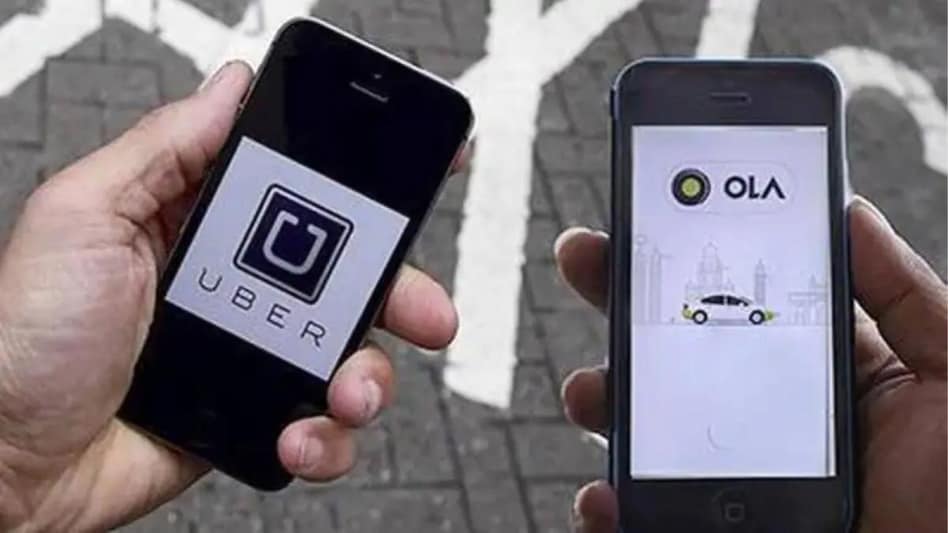
"App-based transport workers across India will observe an All India Breakdown on Saturday. No minimum fares. No regulation. Endless exploitation." The unions are protesting against what they describe as "illegal" bike taxi services and "arbitrary" fare policies of ride aggregators such as Ola, Uber and Rapido.
The strike reflects frustration among drivers over unfair competition and income instability as ride-hailing platforms expand.
The union further highlighted that app-based drivers are facing a financial squeeze, stating, "Millions of app-based drivers are pushed into poverty while aggregators profit. Govt silence equals platform impunity."
Drivers are demanding swift regulatory intervention, calling for the notification of minimum base fares and an end to the use of private vehicles for commercial rides. "Despite Motor Vehicle Aggregator Guidelines, 2025, platforms continue to fix fares arbitrarily. Our demands are clear: Notify minimum base fares. End misuse of private vehicles for commercial rides."
Additional complaints include the financial burden caused by the increase in the number of autorickshaws under the open permit policy, as well as allegations that victims of accidents involving unauthorised bike taxis are denied insurance benefits. The strike underscores mounting calls for regulatory clarity and income stability within India's rapidly evolving app-based transport sector.
The drivers' body argues that the rise of bike taxi services, which they deem unauthorised, is undermining their earnings and threatening job security. They have also raised concerns about fare structures being set unilaterally by aggregator companies without government oversight, leading to ongoing income insecurity.
"In the absence of government-regulated fare structures, aggregator companies continue to unilaterally fix fares. This has led to severe income insecurity, exploitation, and unsustainable working conditions for millions of transport workers."
Drivers have also voiced opposition to recent mandatory safety requirements, specifically the installation of panic buttons.
The Maharashtra Kamgar Sabha stated, "While there are 140 panic button device providers approved by the Central government, the state government has declared nearly 70 per cent of these companies unauthorised. As a result, cab drivers are being forced to remove previously installed devices and spend approximately Rs 12,000 unnecessarily to install new devices, causing severe financial hardship."
Drivers of app-based taxis and autorickshaws across India are holding a nationwide one-day strike on 7 February, coordinated by the Telangana Gig and Platform Workers Union (TGPWU). The strike has been publicised as an 'All India Breakdown' and is intended as a mark of protest.
"App-based transport workers across India will observe an All India Breakdown on Saturday. No minimum fares. No regulation. Endless exploitation." The unions are protesting against what they describe as "illegal" bike taxi services and "arbitrary" fare policies of ride aggregators such as Ola, Uber and Rapido.
The strike reflects frustration among drivers over unfair competition and income instability as ride-hailing platforms expand.
The union further highlighted that app-based drivers are facing a financial squeeze, stating, "Millions of app-based drivers are pushed into poverty while aggregators profit. Govt silence equals platform impunity."
Drivers are demanding swift regulatory intervention, calling for the notification of minimum base fares and an end to the use of private vehicles for commercial rides. "Despite Motor Vehicle Aggregator Guidelines, 2025, platforms continue to fix fares arbitrarily. Our demands are clear: Notify minimum base fares. End misuse of private vehicles for commercial rides."
Additional complaints include the financial burden caused by the increase in the number of autorickshaws under the open permit policy, as well as allegations that victims of accidents involving unauthorised bike taxis are denied insurance benefits. The strike underscores mounting calls for regulatory clarity and income stability within India's rapidly evolving app-based transport sector.
The drivers' body argues that the rise of bike taxi services, which they deem unauthorised, is undermining their earnings and threatening job security. They have also raised concerns about fare structures being set unilaterally by aggregator companies without government oversight, leading to ongoing income insecurity.
"In the absence of government-regulated fare structures, aggregator companies continue to unilaterally fix fares. This has led to severe income insecurity, exploitation, and unsustainable working conditions for millions of transport workers."
Drivers have also voiced opposition to recent mandatory safety requirements, specifically the installation of panic buttons.
The Maharashtra Kamgar Sabha stated, "While there are 140 panic button device providers approved by the Central government, the state government has declared nearly 70 per cent of these companies unauthorised. As a result, cab drivers are being forced to remove previously installed devices and spend approximately Rs 12,000 unnecessarily to install new devices, causing severe financial hardship."