
'An echo chamber for the government': Shashi Tharoor questions plan to expand Lok Sabha to 850 seats after delimitation
Tharoor argued that a Parliament must remain a size where MPs can actively participate in debates, ask questions and examine laws.
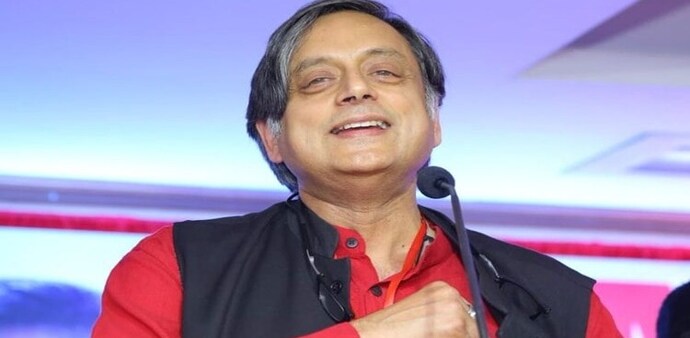
- Jul 29, 2026,
- Updated Jul 29, 2026 5:53 PM IST
Congress MP Shashi Tharoor has raised concerns over the proposed expansion of the Lok Sabha after delimitation, saying that increasing the strength of the Lower House to 824 or 850 members could weaken parliamentary debate and reduce the role of individual MPs.
In an opinion piece for The Indian Express on Wednesday, Tharoor said the government’s argument that the Lok Sabha’s current strength of 543 seats needs to be increased because India’s population has grown since 1972 does not consider the practical challenges of running a much larger House.
Tharoor, a fourth-term Congress MP from Thiruvananthapuram, said the delimitation exercise has already raised concerns over its impact on the balance of representation between states, especially the possibility of southern states being affected despite successfully controlling population growth. However, he said another important question remains — whether an 850-member Lok Sabha can function effectively.
Tharoor questions need for a larger Lok Sabha
Tharoor argued that a Parliament must remain a size where MPs can actively participate in debates, ask questions and examine laws.
Don't Miss: Your UPI payments could soon be more private; NPCI plans to mask phone numbers on UPI apps
“Every mature democratic system recognises that a Parliament must be capped at a size that permits genuine legislative scrutiny, cohesive debate, and individual member participation,” he wrote.
He said that beyond a certain point, a legislature becomes difficult to manage, with only a few members getting the opportunity to speak while many others remain unheard.
Cites US House model to oppose expansion
Tharoor cited the example of the United States House of Representatives, which has remained fixed at 435 members since it was capped in 1929.
He said that despite the US population increasing from 120 million at the time to more than 335 million today, the size of its House has not changed.
According to Tharoor, the US has managed representation through strong local offices, modern communication systems and an organised committee structure rather than increasing the number of lawmakers.
“Indian MPs can do that too,” he added.
Says larger House could limit MPs’ participation
Tharoor said an 850-member Lok Sabha would make it harder for lawmakers to participate in parliamentary discussions because the time available for debates is limited.
He said that if a four-hour debate is divided according to party strength, only around 15-20 MPs out of 850 may get a chance to speak.
“In practice, backbenchers and members of smaller parties will be mostly silenced,” he wrote.
He added that many MPs could complete their five-year term without getting the opportunity to ask questions, introduce private member’s bills or take part in detailed debates.
Warns bigger Parliament could weaken accountability
Tharoor said Parliament’s role has already weakened in recent years due to fewer sitting days, reduced committee scrutiny of bills and laws being passed without detailed discussion.
“An oversized legislature where the vast majority of members have no voice suits an executive that prefers compliance over scrutiny,” he said.
He warned that when Parliament becomes too large to debate effectively, it risks losing its ability to question the government and hold the executive accountable.
Says MPs should focus on national issues
Tharoor also rejected the argument that MPs need smaller constituencies to represent citizens effectively.
“An MP’s constitutional duty is national legislation, foreign policy, macroeconomic governance, and holding the Union executive accountable. They are not municipal councillors or MLAs,” he said.
He argued that issues such as civic infrastructure, local services and everyday public grievances should be handled by state governments, panchayats and municipal bodies.
According to him, strengthening local governance institutions would improve grassroots representation without making Parliament too large.
‘Quality of debate matters more than numbers’
Tharoor said increasing the number of MPs alone would not strengthen democracy.
“The proposal to expand the Lok Sabha to 850 would create a House that is not a forum for governance but an echo chamber for the government,” he said.
He added that India should focus on improving parliamentary debates, strengthening committees and empowering local governments instead of creating a very large House that may struggle to function.
Congress MP Shashi Tharoor has raised concerns over the proposed expansion of the Lok Sabha after delimitation, saying that increasing the strength of the Lower House to 824 or 850 members could weaken parliamentary debate and reduce the role of individual MPs.
In an opinion piece for The Indian Express on Wednesday, Tharoor said the government’s argument that the Lok Sabha’s current strength of 543 seats needs to be increased because India’s population has grown since 1972 does not consider the practical challenges of running a much larger House.
Tharoor, a fourth-term Congress MP from Thiruvananthapuram, said the delimitation exercise has already raised concerns over its impact on the balance of representation between states, especially the possibility of southern states being affected despite successfully controlling population growth. However, he said another important question remains — whether an 850-member Lok Sabha can function effectively.
Tharoor questions need for a larger Lok Sabha
Tharoor argued that a Parliament must remain a size where MPs can actively participate in debates, ask questions and examine laws.
Don't Miss: Your UPI payments could soon be more private; NPCI plans to mask phone numbers on UPI apps
“Every mature democratic system recognises that a Parliament must be capped at a size that permits genuine legislative scrutiny, cohesive debate, and individual member participation,” he wrote.
He said that beyond a certain point, a legislature becomes difficult to manage, with only a few members getting the opportunity to speak while many others remain unheard.
Cites US House model to oppose expansion
Tharoor cited the example of the United States House of Representatives, which has remained fixed at 435 members since it was capped in 1929.
He said that despite the US population increasing from 120 million at the time to more than 335 million today, the size of its House has not changed.
According to Tharoor, the US has managed representation through strong local offices, modern communication systems and an organised committee structure rather than increasing the number of lawmakers.
“Indian MPs can do that too,” he added.
Says larger House could limit MPs’ participation
Tharoor said an 850-member Lok Sabha would make it harder for lawmakers to participate in parliamentary discussions because the time available for debates is limited.
He said that if a four-hour debate is divided according to party strength, only around 15-20 MPs out of 850 may get a chance to speak.
“In practice, backbenchers and members of smaller parties will be mostly silenced,” he wrote.
He added that many MPs could complete their five-year term without getting the opportunity to ask questions, introduce private member’s bills or take part in detailed debates.
Warns bigger Parliament could weaken accountability
Tharoor said Parliament’s role has already weakened in recent years due to fewer sitting days, reduced committee scrutiny of bills and laws being passed without detailed discussion.
“An oversized legislature where the vast majority of members have no voice suits an executive that prefers compliance over scrutiny,” he said.
He warned that when Parliament becomes too large to debate effectively, it risks losing its ability to question the government and hold the executive accountable.
Says MPs should focus on national issues
Tharoor also rejected the argument that MPs need smaller constituencies to represent citizens effectively.
“An MP’s constitutional duty is national legislation, foreign policy, macroeconomic governance, and holding the Union executive accountable. They are not municipal councillors or MLAs,” he said.
He argued that issues such as civic infrastructure, local services and everyday public grievances should be handled by state governments, panchayats and municipal bodies.
According to him, strengthening local governance institutions would improve grassroots representation without making Parliament too large.
‘Quality of debate matters more than numbers’
Tharoor said increasing the number of MPs alone would not strengthen democracy.
“The proposal to expand the Lok Sabha to 850 would create a House that is not a forum for governance but an echo chamber for the government,” he said.
He added that India should focus on improving parliamentary debates, strengthening committees and empowering local governments instead of creating a very large House that may struggle to function.